
Contents
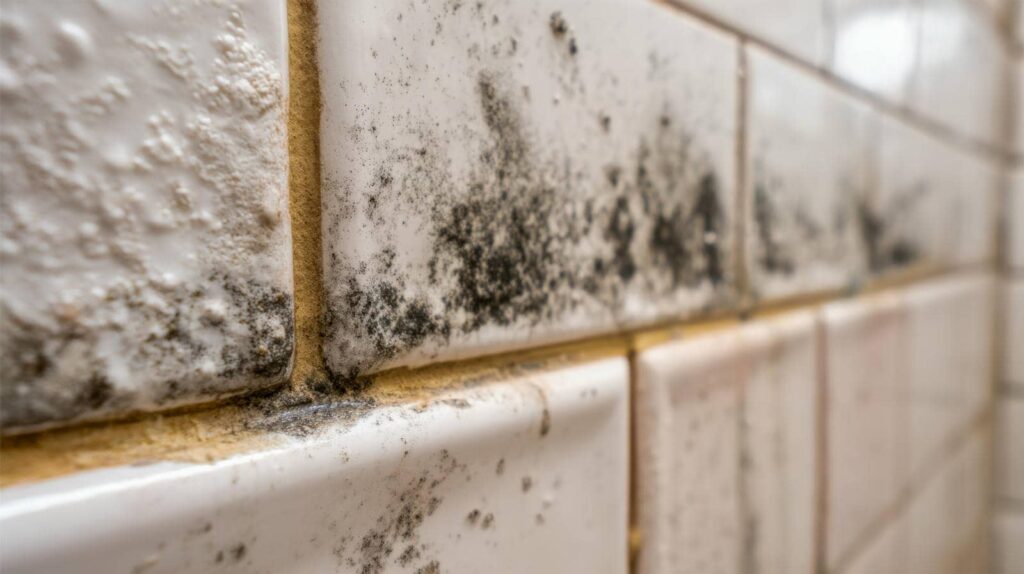
Imagine discovering black mold behind your bathroom tiles after a leaky pipe has gone unnoticed for months. Effectively removing this harmful fungus requires a systematic approach. By identifying moisture sources and utilizing protective gear, you can begin the black mold removal process. But what specific techniques should you employ to ensure thorough eradication and prevent future growth? Let’s explore the best methods for tackling black mold effectively.
Key Takeaways
- Identify and eliminate moisture sources promptly to prevent mold return, focusing on areas like basements and bathrooms.
- Use protective gear, including an N95 respirator and waterproof gloves, to safeguard against mold exposure during removal.
- Clean affected surfaces with a water-detergent mixture and disinfect using bleach or natural alternatives like vinegar or baking soda.
- Promote drying and control humidity levels by using fans and dehumidifiers, maintaining levels between 30% and 60%.
- Improve ventilation by installing exhaust fans, using air purifiers, and regularly inspecting moisture-prone areas for mold growth.
Identify the Source of Moisture
To effectively tackle black mold removal, you first need to identify the source of moisture, since mold thrives in damp environments.
Start by examining common moisture sources like leaky roofs, plumbing issues, or condensation. Look for signs of water damage, such as discoloration on walls or ceilings, which can indicate a hidden leak.
Use leak detection methods, such as moisture meters, to assess humidity levels in areas prone to dampness. Pay special attention to basements, bathrooms, and kitchens, where moisture often accumulates.
Once you’ve pinpointed the moisture source, it’s essential to address the issue immediately to prevent mold from returning. Repair leaks, improve ventilation, and consider dehumidifiers to maintain ideal humidity levels.
Use Protective Gear
When dealing with black mold removal, using protective gear is essential to ensure your safety and minimize exposure to harmful spores.
Following proper safety protocols ensures that you can tackle the task effectively while protecting your health.
Here’s a list of necessary protective equipment to take into account:
- N95 Respirator: This helps filter out mold spores, reducing inhalation risks.
- Gloves: Use waterproof gloves to prevent skin contact with mold and cleaning agents.
- Goggles: Protect your eyes from irritation caused by mold spores and cleaning solutions.
Contain the Affected Area
After equipping yourself with the appropriate protective gear, the next step is to contain the affected area to prevent mold spores from spreading throughout your home.
Implementing mold containment strategies is essential for effective removal. Start by sealing off the area with plastic sheeting to create effective barriers. This prevents spores from escaping into other rooms. Use duct tape to secure the edges of the plastic, ensuring it’s airtight.
Additionally, close all windows and doors in the vicinity to minimize airflow. Consider placing a HEPA filter in a fan to help capture airborne spores. If feasible, create a negative air pressure environment by exhausting air outside, further limiting contamination.
Utilize Vinegar Solution
Vinegar is an effective solution for removing black mold due to its antifungal properties.
To apply it properly, use a spray bottle to target affected areas and allow it to sit for at least an hour before wiping it away.
Keep in mind safety considerations, such as wearing gloves and ensuring proper ventilation during the cleaning process.
Effectiveness of Vinegar
Although many commercial mold removers contain harsh chemicals, using a vinegar solution offers an effective and environmentally friendly alternative.
Vinegar’s acidity helps to penetrate the mold’s structure, breaking it down without harmful side effects. Here are some vinegar benefits and applications you’ll find useful:
- Non-toxic: Safe for your family and pets, reducing health risks associated with chemical cleaners.
- Cost-effective: Easily accessible and affordable, allowing you to tackle mold without breaking the bank.
- Versatile: Works well on various surfaces, making it suitable for multiple areas in your home.
Application Techniques
To effectively remove black mold using a vinegar solution, you’ll want to follow specific application techniques that maximize its mold-fighting properties.
Start by mixing equal parts of white vinegar and water in a spray bottle. Spray the affected area generously, ensuring it’s completely saturated. Let the solution sit for at least an hour; this allows the acetic acid in vinegar to penetrate and break down the mold.
Afterward, scrub the surface with a brush to lift the mold away. Rinse the area with clean water and dry it thoroughly to prevent regrowth.
These cleaning techniques not only enhance mold removal but also create a healthier environment. Remember, consistency is key in maintaining mold-free spaces.
Safety Considerations
When using a vinegar solution for black mold removal, it’s important to prioritize safety to protect yourself and others in the area.
Mold toxicity can pose serious health risks, so taking the right precautions is essential. Here are key safety measures to take into account:
- Wear protective gear: Use gloves, goggles, and a mask to minimize exposure to mold spores and vinegar fumes.
- Ensure good ventilation: Open windows and doors to allow fresh air circulation, reducing inhalation risks.
- Seal off the area: Use plastic sheeting to limit mold spores from spreading to other parts of your home.
Apply Baking Soda Paste
Baking soda is an effective agent for removing black mold due to its alkaline properties and mild abrasive nature.
To apply it, mix baking soda with water to create a paste, then spread it over the affected area.
This technique not only helps eliminate mold but also neutralizes odors associated with mold growth.
Baking Soda Properties
Sodium bicarbonate, commonly known as baking soda, is a versatile compound with powerful mold-fighting properties.
When you apply a baking soda paste, you’re harnessing its benefits to combat black mold effectively. Its applications extend beyond just cleaning; it also deodorizes and neutralizes moisture, which is essential for preventing mold growth.
- Non-toxic: Safe for use around children and pets.
- Odor neutralizer: Eliminates musty smells associated with mold.
- Mild abrasive: Helps scrub surfaces without damaging them.
Application Techniques
To effectively apply a baking soda paste for black mold removal, start by mixing a quarter cup of baking soda with water to create a thick consistency.
Once you have your paste, use a clean cloth or sponge to apply it directly to the affected areas. Make sure to cover the mold thoroughly, as this will enhance the effectiveness of your mold removal techniques.
Let the paste sit for at least 10-15 minutes to allow it to penetrate and break down the mold. Afterward, scrub the area gently with a brush, then rinse with warm water.
This application method targets the mold and helps to deodorize the space, fostering a healthier environment for you and your loved ones.
Use Hydrogen Peroxide
Hydrogen peroxide is a powerful agent for black mold removal, and using it effectively can yield significant results. Its antifungal properties make it a popular choice for homeowners looking to eliminate mold safely.
Here’s why you should consider hydrogen peroxide:
- Hydrogen Peroxide Effectiveness: It penetrates porous surfaces, breaking down mold spores and preventing regrowth.
- Hydrogen Peroxide Safety: Unlike harsh chemicals, it’s non-toxic and breaks down into water and oxygen, making it safe for both your family and the environment.
- Easy Application: Spray a 3% solution directly onto the affected area, let it sit for about 10 minutes, then scrub and rinse.
Implement Commercial Mold Removers
When tackling stubborn black mold, implementing commercial mold removers can be a highly effective strategy. These commercial products are specifically formulated to target and eliminate mold spores, ensuring a thorough treatment of affected areas.
When choosing a product, look for those that adhere to mold safety standards and are safe for use in your home environment.
Before applying any commercial remover, read the label carefully to understand the recommended usage and safety precautions. Many of these products contain potent ingredients designed to penetrate surfaces and disrupt mold growth effectively.
Always ensure adequate ventilation when using these products to minimize inhalation risks.
Additionally, consider your personal health and any sensitivities in your household. Selecting products that are low in volatile organic compounds (VOCs) can enhance safety.
Scrub and Clean Surfaces
Scrubbing and cleaning surfaces affected by black mold is essential for effective removal and prevention of future growth.
To tackle this issue, you’ll want to use appropriate mold scrubbers and effective cleaning techniques. Here are some key steps to follow:
- Use a mixture of water and detergent: This solution helps break down mold and makes scrubbing easier.
- Employ stiff-bristled brushes: These tools penetrate surfaces better, ensuring you remove all mold spores.
- Disinfect afterward: Use a solution containing bleach or a commercial disinfectant to kill any remaining spores.
Dry the Area Thoroughly
To effectively eliminate black mold and prevent its return, drying the affected area thoroughly is vital. Start by using drying techniques such as fans, dehumidifiers, and heaters to promote airflow and reduce moisture levels.
Make certain that you target areas with high humidity, including walls, ceilings, and carpets.
Moisture control is essential; even small amounts of lingering dampness can foster mold regrowth. After you’ve cleaned the surfaces, check for hidden moisture in places like behind drywall or under flooring.
If necessary, remove materials that can’t be adequately dried, such as saturated drywall or insulation.
Keep the space ventilated to accelerate drying, as stagnant air can impede progress.
Prevent Future Mold Growth
To prevent future mold growth, you need to control humidity levels in your home, ideally keeping them between 30% and 60%.
Improving ventilation systems helps ensure adequate airflow, reducing moisture accumulation in areas prone to mold.
Regular surface inspections allow you to identify and address potential mold issues before they escalate.
Control Humidity Levels
Controlling humidity levels in your home is essential if you want to prevent future mold growth. High humidity creates the perfect environment for mold spores to thrive. By actively monitoring humidity levels, you can take steps to maintain a healthy atmosphere.
Consider these dehumidifier benefits:
- Reduces excess moisture: A dehumidifier helps extract moisture from the air, lowering humidity levels effectively.
- Improves comfort: Lower humidity can make your home feel cooler and more comfortable, especially in warmer months.
- Protects your home: Reducing humidity helps prevent damage to your walls, furniture, and belongings, preserving your living space.
Investing in a dehumidifier and incorporating humidity monitoring can make a significant difference in your home’s air quality and overall health.
Improve Ventilation Systems
Effective ventilation systems play an essential role in preventing mold growth by ensuring proper air circulation throughout your home.
To achieve this, consider implementing ventilation improvements such as installing exhaust fans in bathrooms and kitchens. These areas produce moisture that, if not properly vented, can encourage mold development.
Additionally, use air purifiers to enhance the quality of indoor air and reduce humidity levels. Opening windows when the weather permits can also facilitate air circulation, allowing fresh air to flow and stale air to escape.
Regularly inspecting and cleaning your ventilation ducts will help maintain ideal performance.
Regular Surface Inspections
Regular surface inspections are essential for identifying potential mold growth before it becomes a significant problem.
By implementing consistent mold detection strategies, you can safeguard your home and health. Aim for a monthly inspection frequency in areas prone to moisture, such as bathrooms and basements.
During these inspections, focus on:
- Checking for visible mold or discoloration on walls and ceilings.
- Inspecting plumbing and appliances for leaks or dampness.
- Monitoring ventilation systems for any blockages or inefficiencies.
Frequently Asked Questions
How Long Does It Take for Black Mold to Grow?
Black mold can start growing within 24 to 48 hours under ideal conditions. To prevent mold growth, you should maintain low humidity levels, ensure proper ventilation, and promptly address water leaks or spills.
Can I Remove Black Mold Myself Safely?
You can safely remove black mold yourself, but it’s not as easy as pie. Use DIY solutions like vinegar or baking soda, and always follow safety precautions, like wearing gloves and masks, to protect yourself.
What Are the Health Risks of Black Mold Exposure?
Exposure to black mold can cause health symptoms like respiratory issues, headaches, and fatigue. To protect yourself, implement prevention measures such as proper ventilation, moisture control, and regular inspections to maintain a safe environment.
How Can I Tell if Mold Is Hidden in Walls?
Could hidden mold be lurking behind your walls? During a wall inspection, look for water stains, a musty smell, or peeling paint. These signs often indicate moisture problems, leading to potential mold growth you can’t see.
When Should I Call a Professional for Mold Removal?
You should call a professional for mold removal when you discover extensive growth, experience health issues, or suspect hidden mold. Mold inspection services ensure accurate assessment, while professional remediation effectively eliminates the problem, safeguarding your environment.
Conclusion
Effectively removing black mold requires a systematic approach that addresses moisture sources and employs proper cleaning techniques. By using these 10 techniques, you can eliminate existing mold and create a healthier living environment, minimizing the risk of future infestations and associated health issues.
Recent Posts
Emergency Flood Cleanup for Water Damage Response
If you lose power just as water starts rising, you have a flood response problem
7 Emergency Flood Cleanup Tips
You might not realize that floodwater can hide electrical hazards and structural damage even after
Why Mold Remediation Follows Flood Cleanup
Could it be true that flood cleanup alone leaves a hidden mold problem behind? You