
Contents
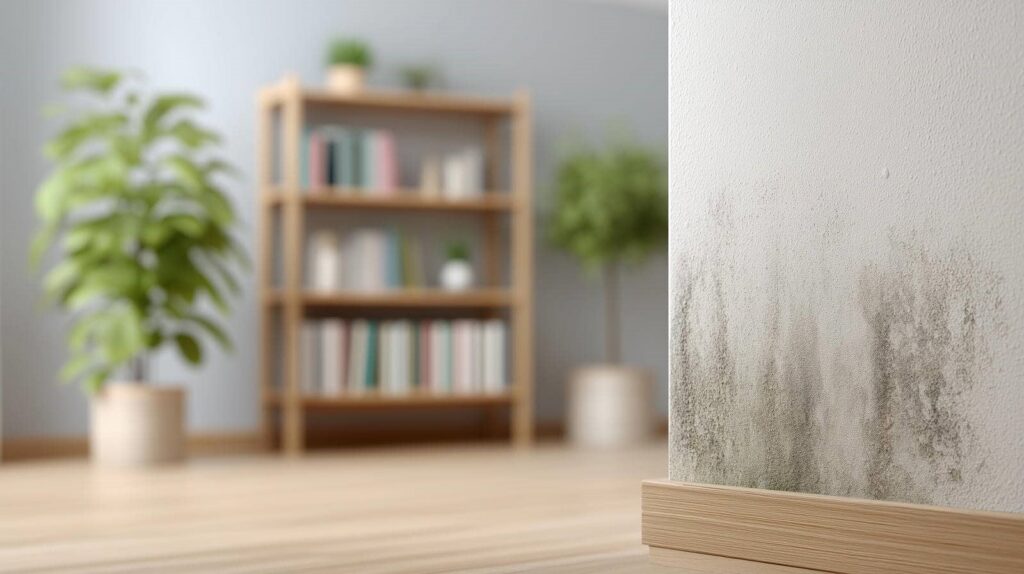
When dealing with black mold, it’s vital to tackle the problem methodically. First, identify the moisture source fueling the mold growth. This step is fundamental to preventing future outbreaks. Next, assess the extent of the contamination to ensure an all-encompassing approach. Understanding these initial steps will set the foundation for effective remediation. But what comes next? There are several key actions you’ll need to take to ensure a successful cleanup.
Key Takeaways
- Identify moisture sources like leaks and inadequate ventilation to prevent black mold growth effectively.
- Wear protective gear such as masks, gloves, and goggles to safeguard against mold spores during remediation.
- Contain the affected area with plastic sheeting to minimize cross-contamination and control airborne spores.
- Use effective cleaning agents like vinegar or professional-grade products to remove black mold and inhibit regrowth.
- Thoroughly dry the area and monitor humidity levels, ensuring they remain below 60% to prevent future mold issues.
Identify the Source of Moisture
Before you can effectively tackle black mold remediation, you must identify the source of moisture that’s fueling its growth.
Start by examining common moisture sources in your home, such as leaky pipes, roof leaks, or inadequate ventilation. Be diligent in checking areas like basements, bathrooms, and kitchens, where humidity levels often spike.
Once you’ve pinpointed the moisture source, it’s essential to implement effective prevention strategies.
This may involve repairing leaks, ensuring proper drainage around your foundation, or improving ventilation through exhaust fans and dehumidifiers.
You might also consider using moisture-resistant materials during renovations.
Assess the Extent of Mold Growth
To assess the extent of mold growth, start with a thorough visual inspection of affected areas.
Look for discoloration, texture changes, or musty odors that indicate hidden mold.
Don’t forget to identify any moisture sources nearby, as these will be critical in determining the severity of the problem and planning your remediation strategy.
Visual Inspection Techniques
A thorough visual inspection is essential for evaluating the extent of mold growth in any affected area. Start by using mold identification techniques to pinpoint visible signs of mold, such as dark spots or unusual discoloration.
Employ visual inspection tools, like flashlights and moisture meters, to examine hidden areas, including behind walls and under sinks. Pay close attention to high-humidity locations, where mold is likely to thrive.
Document your findings systematically, noting the size and location of the growth. This detailed assessment helps you understand the severity of the problem and informs your remediation strategy.
Moisture Source Identification
Identifying the source of moisture is essential for evaluating the extent of mold growth in your environment. You can employ various moisture detection methods, such as using moisture meters or thermal imaging cameras, to pinpoint hidden damp areas.
Pay attention to common trouble spots, like bathrooms, kitchens, and basements. It’s important to assess the humidity levels, as high humidity can foster mold proliferation.
Implement humidity control techniques like dehumidifiers or proper ventilation to maintain ideal moisture levels. Additionally, consider sealing leaks in roofs, windows, and plumbing to prevent further moisture intrusion.
Wear Protective Gear
When dealing with black mold, it’s crucial to wear protective gear to safeguard your health. Start by donning protective clothing, which includes long sleeves, pants, and gloves. This barrier helps prevent spores from coming into contact with your skin.
Make certain the clothing is made of non-porous materials to ensure maximum protection.
Next, equip yourself with a quality safety mask, specifically rated for mold spore filtration, such as an N95 respirator or higher. These masks effectively block inhalation of harmful spores, reducing the risk of respiratory issues.
Don’t forget eye protection; goggles can shield your eyes from irritation caused by mold spores and cleaning solutions.
Before starting your remediation process, verify your protective gear is intact and properly fitted. Taking these precautions promotes your safety and fosters a sense of community responsibility in tackling mold issues effectively.
Contain the Affected Area
To effectively manage black mold, it’s vital to contain the affected area before beginning cleanup. Start by using barrier methods, such as plastic sheeting, to isolate the contaminated space. This prevents mold spores from escaping into unaffected areas. Confirm the barriers are securely fastened to the floor and walls to create an airtight seal.
Next, perform air sealing by closing windows and doors, and turning off HVAC systems to avoid spreading spores through the air. Consider using duct tape to reinforce edges of the barriers, confirming a tight fit.
With the area contained, you can confidently proceed with mold remediation, knowing you’ve minimized the risk of cross-contamination.
Use Effective Mold Removal Products
When tackling black mold, selecting the right removal products is essential for effective remediation.
You should consider eco-friendly solutions that minimize health risks while also evaluating professional-grade options for tough infestations.
Additionally, while DIY remedies can be effective, their results may vary, so weigh their effectiveness against your specific situation.
Choose Eco-Friendly Solutions
Choosing eco-friendly solutions for mold removal protects your health and safeguards the environment. When tackling black mold, opt for biodegradable cleaners that effectively eliminate spores without harmful chemicals. These products break down naturally, minimizing your ecological footprint.
Consider natural alternatives like vinegar or baking soda, which possess antifungal properties. Vinegar can kill a significant percentage of mold species, while baking soda neutralizes odors and prevents future growth.
You’ll find that these options are effective and safe for your family and pets. By choosing eco-friendly solutions, you foster a healthier living space and contribute to a sustainable future.
Consider Professional Products
While eco-friendly solutions are effective, sometimes you need to contemplate professional products specifically designed for black mold remediation.
These specialized products can target stubborn mold infestations and are often more effective than household alternatives.
When choosing professional products, consider the following:
- EPA-registered solutions: Verify the product meets safety standards and is proven to eliminate mold.
- Mold prevention strategies: Look for products that kill mold and inhibit future growth.
- User-friendly application: Select solutions that are easy to apply, especially if you’re handling the remediation yourself.
If the situation is severe, don’t hesitate to contact professional remediation services.
Their expertise will ensure thorough removal and help you maintain a mold-free environment for your home.
DIY Remedies Effectiveness
Many homeowners prefer DIY remedies for black mold removal, believing them to be cost-effective and accessible.
While some home remedies, like vinegar and baking soda, can help with minor mold issues, they often lack the potency needed for severe infestations.
It’s vital to understand that not all DIY mold solutions are equally effective. For substantial problems, specialized mold removal products are typically more reliable, targeting mold spores at a molecular level.
If you choose to use DIY methods, make sure you follow up with thorough cleaning and monitoring to prevent recurrence.
Ultimately, combining effective mold removal products with your DIY efforts can lead to a more extensive remediation strategy, safeguarding your home and health.
Properly Remove Contaminated Materials
Before you begin the removal process, confirm you’ve equipped yourself with the necessary protective gear, as properly removing contaminated materials is essential for preventing further mold exposure.
Utilize effective removal techniques to ensure thoroughness and safety. Start by sealing off the contaminated area to limit the spread of spores. Carefully cut away affected materials like drywall or insulation, making sure you don’t disturb the mold more than necessary.
Use the following disposal methods to manage the contaminated materials safely:
- Double-bagging: Place materials in heavy-duty plastic bags, seal them tightly, and discard them immediately.
- Wet removal: Dampen materials before removal to minimize airborne spores.
- Local regulations: Follow your area’s disposal guidelines for hazardous waste.
Clean and Disinfect Surfaces
When cleaning and disinfecting surfaces affected by black mold, you need to choose effective cleaning agents that specifically target mold spores.
Always prioritize safety precautions, such as wearing protective gear and ensuring proper ventilation, to minimize health risks during the process.
This approach helps eliminate mold and prevent future growth, ensuring a safer environment.
Choose Effective Cleaning Agents
Choosing effective cleaning agents is essential for successful black mold remediation, as not all products effectively eliminate mold spores and prevent regrowth. To ensure maximum cleaning efficiency, consider both chemical and natural alternatives.
Bleach: A powerful disinfectant that can kill mold on hard surfaces but may not penetrate porous materials.
Vinegar: A natural alternative that’s effective against many types of mold and is safer for the environment.
Boric Acid: An effective option for treating mold on wood and other surfaces, offering long-lasting results.
Selecting the right agent addresses immediate mold concerns and helps maintain a healthier living environment.
Always follow the manufacturer’s guidelines to maximize effectiveness and ensure thorough mold removal.
Prioritize Safety Precautions
Effective cleaning agents are just one part of the mold remediation process; prioritizing safety precautions is vital to protect yourself during cleanup.
Before you start, verify you’ve completed safety training to understand the risks involved. Wear appropriate personal protective equipment (PPE), including gloves, goggles, and a mask. Familiarize yourself with emergency protocols in case of exposure or accidents.
When cleaning and disinfecting surfaces, use a solution specifically designed for mold removal, making sure you cover all affected areas thoroughly. Proper ventilation is important, so open windows or use fans to disperse airborne spores.
Finally, dispose of contaminated materials safely, following local regulations. Remember, taking these precautions safeguards your health and fosters a sense of community responsibility.
Dry the Area Thoroughly
To effectively combat black mold, drying the area thoroughly is vital.
Once you’ve identified and removed the source of moisture, quickly implement strategies to reduce humidity and enhance air circulation. This step is essential in preventing mold’s return.
- Use dehumidifiers to maintain ideal humidity levels.
- Open windows and doors to promote fresh air flow.
- Utilize fans to increase air circulation in confined spaces.
Monitor for Recurrence
Although you’ve taken steps to eliminate black mold, it’s vital to monitor the area for any signs of recurrence. Mold growth patterns can be tricky; they often reappear if conditions are right.
Regularly inspect the previously affected spaces, looking for discoloration or a musty odor that might indicate hidden mold.
Implement recurrence prevention strategies by controlling humidity levels, ideally keeping them below 60%. Use dehumidifiers and ensure proper ventilation in areas like bathrooms and basements.
Additionally, maintain regular cleaning routines in these spaces, focusing on surfaces prone to moisture.
You should also check for any leaks in plumbing or roofing that could create moisture. If you notice any signs of mold returning, address them immediately to prevent further spread.
Consider Professional Help if Necessary
If you find that the black mold problem persists despite your efforts, it’s wise to contemplate enlisting professional help. Mold can pose significant health risks and may require specialized equipment and techniques for effective removal.
Professionals can conduct thorough mold inspections, ensuring that hidden spores are identified and addressed.
Consider these factors when deciding on professional help:
- Expertise: Trained specialists understand mold behavior and remediation processes.
- Safety: They use protective gear to prevent exposure during the cleanup.
- Cost-effectiveness: While remediation costs may seem high, they can save you from more extensive damage and health issues down the line.
Ultimately, hiring professionals provides a complete solution and offers peace of mind. If you’re serious about creating a safe environment, investing in expert assistance is a step worth taking.
Frequently Asked Questions
How Can I Prevent Black Mold From Returning After Remediation?
To prevent black mold from returning, implement preventive measures like maintaining humidity control below 60%. Use dehumidifiers, fix leaks promptly, and ensure proper ventilation in damp areas to create an inhospitable environment for mold growth.
Is Black Mold Harmful to Pets and Animals?
Yes, black mold can harm pets. Exposure may lead to mold symptoms like respiratory issues, skin irritations, and digestive problems. Ensuring a mold-free environment is essential for your pet’s health and overall well-being.
What Are the Health Symptoms of Black Mold Exposure?
You might experience respiratory issues, headaches, skin irritations, or fatigue from black mold exposure. Being aware of these symptoms helps you understand the potential effects on your health, ensuring you take necessary precautions for a safer environment.
Can I Use Bleach to Remove Black Mold Effectively?
You can’t rely on bleach for effective black mold removal; it only tackles some mold types. Instead, consider specialized cleaners designed for extensive mold remediation. Always prioritize safety and thoroughness in your approach.
How Long Does the Mold Remediation Process Usually Take?
The mold remediation timeframe typically ranges from one to several days, depending on the extent of the mold growth and affected areas. You’ll want to ensure thoroughness to prevent future issues and ensure a safe environment.
Review
In the battle against black mold, vigilance is your strongest ally. By addressing moisture sources, wearing protective gear, and utilizing effective removal methods, you can reclaim your space from this unwelcome invader. Just as a gardener tends to their plants, ensuring proper care and monitoring will keep your environment healthy. If the task seems overwhelming, don’t hesitate to call in the experts. Remember, a proactive approach today can prevent a moldy tomorrow, fostering a safe haven for you and your loved ones.
Recent Posts
What Is a Sewage Spill Remediation Company?
If your basement backs up with sewage after a heavy storm, you need more than
Emergency Flood Cleanup for Water Damage Response
If you lose power just as water starts rising, you have a flood response problem
7 Emergency Flood Cleanup Tips
You might not realize that floodwater can hide electrical hazards and structural damage even after