
Contents
After flooding, it’s vital to act quickly to prevent black mold growth in your home. Mold can develop rapidly in damp conditions, posing health risks and damaging your property. By understanding and implementing effective strategies, you can greatly reduce the chances of mold taking hold. Let’s explore five essential tips to keep your space safe and dry, so you can maintain a healthy living environment.
Key Takeaways
- Act quickly to remove excess water using pumps or wet vacuums to minimize black mold growth.
- Thoroughly dry out affected areas by promoting airflow and removing wet furniture.
- Utilize dehumidifiers to maintain humidity levels between 30% and 60% to prevent mold.
- Clean and disinfect surfaces with suitable solutions, ensuring they dry completely afterward.
- Regularly monitor for signs of mold, such as discoloration or musty odors, and act promptly.
Act Quickly to Remove Excess Water
When flooding occurs, acting quickly to remove excess water is essential, as delays can lead to the rapid growth of black mold.
You need to prioritize effective water removal during flood cleanup to minimize damage and protect your living space. Start by evaluating the affected areas and using pumps or wet vacuums to extract as much water as possible.
If the flooding is severe, consider enlisting professional help, as they’ve the equipment and expertise to handle extensive water removal efficiently.
Once you’ve removed the majority of the water, remove any soaked materials, such as carpets or drywall, which can harbor mold spores.
Make sure you document the damage for insurance purposes, but focus on swift action.
Dry Out Affected Areas Thoroughly
After you’ve removed excess water, drying out the affected areas thoroughly is essential to prevent black mold growth.
Moisture control is your primary goal, and effective ventilation strategies will help you achieve this. Here are some key actions to take:
- Open windows and doors to allow fresh air to circulate.
- Use fans to promote airflow and expedite drying.
- Remove wet furniture and belongings to prevent moisture retention.
- Check for hidden moisture in walls and floors.
Use Dehumidifiers to Control Humidity Levels
To effectively combat the lingering moisture that can lead to black mold growth, utilizing dehumidifiers is essential. By managing humidity levels in your home, you can create an environment that discourages mold development.
When choosing your dehumidifier settings, aim for a humidity level between 30% and 60%. This range is ideal for preventing mold while maintaining comfort.
Place dehumidifiers in areas most affected by flooding, such as basements and crawl spaces. Monitor the moisture levels regularly; many modern dehumidifiers come equipped with built-in hygrometers for easy humidity control.
If your space remains damp despite your efforts, consider increasing the dehumidifier’s capacity or using multiple units.
Clean and Disinfect Surfaces Properly
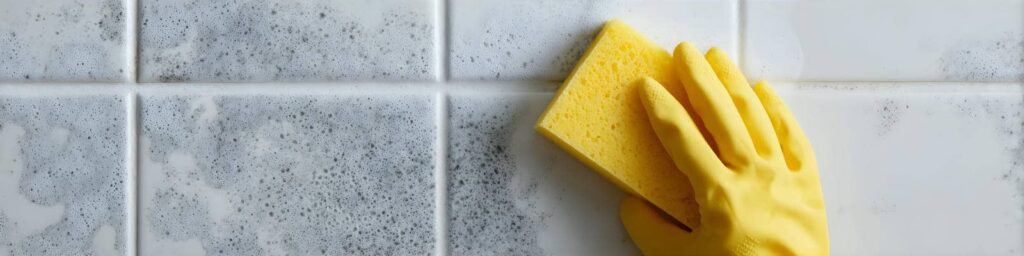
Cleaning and disinfecting surfaces properly is vital in preventing black mold growth following flooding. Mold thrives in damp environments, so effective surface cleaning is imperative. Here are some key steps to follow:
- Remove any standing water and debris.
- Use a mixture of water and a suitable disinfectant solution.
- Scrub surfaces thoroughly, focusing on areas that are often overlooked.
- Allow surfaces to dry completely after cleaning.
When you’re using disinfectant solutions, confirm they’re specifically designed to kill mold spores. Pay attention to high-risk areas like bathrooms, kitchens, and any surfaces that came into contact with floodwater.
It’s important to wear protective gear while cleaning, as mold can pose health risks. By taking these steps, you create a less hospitable environment for mold, promoting a healthier living space for you and your family.
Monitor for Signs of Mold Growth
Even with thorough cleaning and disinfecting, the risk of mold growth remains, making it important to monitor your home for any signs of infestation.
Start by conducting regular mold detection checks in areas prone to moisture, like basements, bathrooms, and under sinks. Look for discoloration on walls, ceilings, or floors, and pay attention to any musty odors that could indicate hidden mold.
Utilizing tools like moisture meters can provide early warning signs of excessive humidity, allowing you to address potential problems before they escalate.
Remember, mold thrives in damp environments, so keeping your home dry is vital.
If you notice any signs of mold, act quickly to remediate the issue.
By remaining vigilant and proactive, you’ll protect your home and create a healthier living environment for you and your loved ones.
Don’t ignore these signals; they’re essential for maintaining a safe and welcoming space.
Frequently Asked Questions
How Long Does It Take for Mold to Start Growing After Flooding?
Mold can start growing within 24 to 48 hours after flooding. To minimize risk, follow flood recovery tips, like drying out areas quickly. Understanding the mold growth timeline helps you take necessary precautions effectively.
Can I Use Bleach to Kill Mold Effectively?
“An ounce of prevention’s worth a pound of cure.” While bleach can kill surface mold, its effectiveness diminishes on porous materials. For thorough mold removal, consider using specialized products designed for deeper penetration and lasting results.
What Materials Are Most Susceptible to Mold After Flooding?
Wood products and drywall are highly susceptible to mold after flooding. These materials absorb moisture, creating ideal conditions for mold growth. You should act quickly to mitigate potential damage and protect your living space.
Is It Safe to Stay in My Home During Mold Remediation?
It’s generally not safe to stay in your home during the mold remediation process. Mold can pose serious health risks, so evacuating ensures you avoid exposure while professionals effectively handle the situation and restore your environment.
How Can I Prevent Mold in Future Flooding Situations?
To prevent mold in future flooding situations, you’ll need effective flood preparation and humidity control. Consider installing sump pumps, using dehumidifiers, and sealing any leaks to create a safer, more comfortable environment for you and your family.
Review
By following these five tips, you can greatly reduce the risk of black mold after flooding. You might think that taking these steps is time-consuming, but remember that investing a little effort now can save you from costly repairs and health issues later. Mold can develop quickly, so the sooner you act, the better. Stay vigilant, and you’ll protect your home and well-being effectively. Don’t underestimate the importance of prevention—it’s always easier than dealing with the aftermath.
Recent Posts
Top Tips to Prevent Future Water Damage
Water damage can lead to costly repairs and headaches if you’re not proactive. By regularly
How to Prevent Future Water Damage Today
Water damage emergencies occur across the U.S. every day, underscoring the importance of taking proactive
3 Best Practices for Home Flood Prevention
Home flooding can cause significant damage and stress, but you can take proactive steps to