
Contents
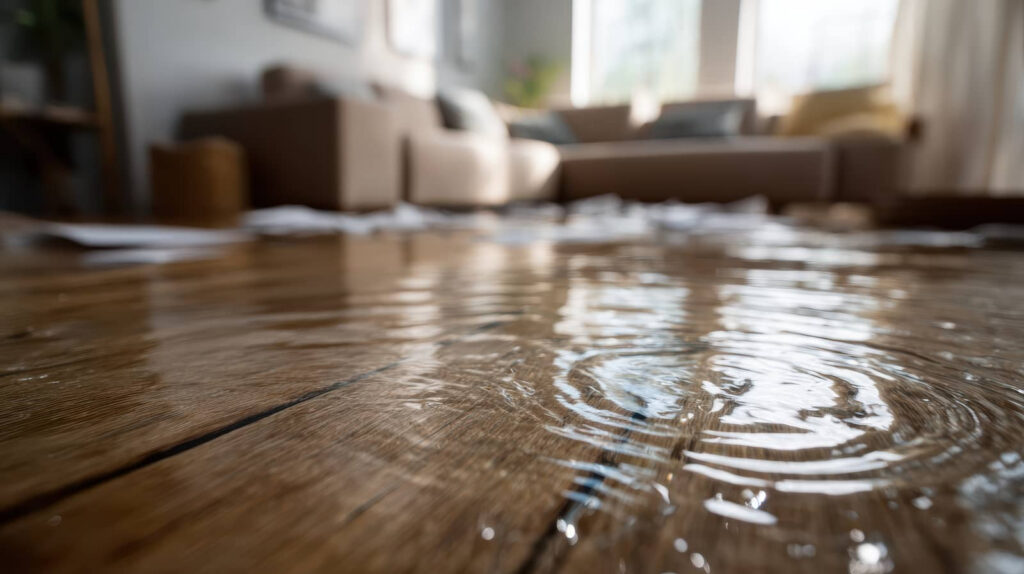
When your lower level floods, Flooded Lower Level cleanup needs to happen quickly and in the right order. First, stop any sewage source, shut off water and power, and put on the proper PPE before entering. Next, remove standing water, discard contaminated materials, and dry the area completely to help limit mold and hidden damage. The hard part is knowing what can be safely saved and what needs to be removed, especially when contamination or structural damage is involved.
Key Takeaways
- Stop the water source, shut off power if needed, and keep everyone out of the flooded area.
- Wear gloves, boots, eye protection, and a respirator if sewage, mold, or heavy odors are present.
- Pump out standing water with a wet vac or submersible pump, starting from the deepest area.
- Clean, disinfect, and remove soaked porous materials like carpet, insulation, and drywall.
- Dry the space completely with fans and dehumidifiers, and call professionals for sewer backups or persistent contamination.
Stop the Sewage Spill Fast
The first priority is to stop the sewage at its source as quickly as possible. You need to identify the backup point, then control the flow without delay.
If the spill is from a drain or toilet, limit further use in that area and keep everyone clear of the contamination zone. Use sewage prevention tips like regular line inspections and backflow checks so you’re ready next time.
For now, deploy emergency response strategies: mark the affected space, isolate contaminated materials, and document the spread.
Wear gloves, boots, and eye protection before you touch anything. Move people and pets out of the room, then contact a licensed sewage cleanup pro if the source keeps feeding the flood.
Acting fast protects your household and helps your team stay safe.
Shut Off Water and Power Safely
Once you’ve stopped the sewage source, cut off the water supply at the main shutoff valve to prevent more flooding from entering the lower level. If the leak came from a fixture, close its local valve too, then verify no other water source is feeding the area.
Next, shut off electricity to the affected level at the breaker panel if water has reached outlets, appliances, or wiring. Use a dry location and stand to the side of the panel; if you can’t reach it safely, call your utility company or an electrician.
Keep your emergency preparedness plan handy so you know which circuits control the basement. Tell everyone in your household that the area is off limits until power is confirmed safe. Clear communication helps your crew stay aligned and reduces preventable shocks.
Gear up With PPE Before Cleanup
Before you enter a flooded lower level, put on personal protective equipment that shields you from contaminated water, sharp debris, and airborne hazards.
Wear waterproof boots with puncture-resistant soles, chemical-resistant gloves, long sleeves, long pants, and eye protection. Add a N95 or better respirator if you see mold, dust, or odor.
If water may contain sewage, use disposable coveralls and tape cuffs closed to reduce exposure. Check that every item fits securely, so you can move safely and stay focused.
Keep a spare set of protective equipment nearby in case one piece tears. You’re not handling this alone; good gear helps the whole crew protect personal safety, reduce contamination, and work with confidence in a damaged space.
Remove Standing Water and Sewage
Start by pumping out standing water with a submersible pump or wet vac, moving from the deepest area toward the exit to reduce spread and improve drainage.
If sewage is present, treat it as a biohazard: keep people out, avoid splashing, and remove contaminated water and solids with sealed containers or a dedicated suction system.
After removal, disinfect all affected surfaces with an appropriate antimicrobial cleaner, keeping the required contact time to reduce pathogens and residual contamination.
Pump Out Standing Water
Get the water out fast, but do it safely. Start with water removal techniques that match the depth and source: use a wet/dry vac for shallow pools, a utility pump for larger areas, and consider sump pump options, if your system can handle the load.
Place the discharge hose far from the foundation so water can’t flow back. Check power cords, outlets, and extensions for damage before you plug anything in.
Work in small sections so you keep control and avoid overloading equipment. As you pump, monitor the basement floor for shifting debris and unstable items.
If water keeps rising, stop and reassess the entry point. You’re not doing this alone—steady, methodical work helps protect your home and your crew.
Handle Sewage Safely
If floodwater contains sewage or has backed up from a drain, treat it as contaminated waste and keep your distance.
Before you enter, shut off power to the area and put on boots, gloves, eye protection, and a respirator rated for splash and aerosol exposure.
Use pumps, wet vacs, and hoses only if you can work without stirring up debris. Move slowly, and keep children and pets out.
Bag absorbent materials that touched the water and seal them for disposal. Wash tools and protective gear separately after use.
Watch for contamination risks in hidden pockets behind walls, under stairs, and around floor drains.
Follow sewage safety practices every step so you and your household stay protected while you clear the space together.
Disinfect Affected Surfaces
Use a pump, wet vac, or mop to remove all standing water and sewage as quickly as you can. Then rinse the area with clean water before disinfecting hard surfaces with an appropriate cleaner.
Wear gloves, boots, and eye protection so you can work safely and stay part of a prepared cleanup team. Apply disinfectant at the label’s contact time on floors, walls, trim, and any reusable items that can handle it.
Adjust your disinfecting techniques to match the surface materials: sealed concrete, tile, and metal tolerate stronger cleaners, while wood, drywall, and insulation often need removal. Scrub textured areas, corners, and seams where contamination lingers.
After disinfection, ventilate the space and let surfaces dry completely before you rebuild or move belongings back.
Remove Contaminated Materials Safely
Start by removing porous materials that soaked up floodwater, because they can hold contaminants and keep odors, mold, and bacteria in your lower level.
You’ll want to treat carpet pad, insulation, drywall, cardboard, and upholstery as contaminated materials, even if they look only partly wet.
Wear gloves, boots, eye protection, and a respirator, then cut debris into manageable pieces and bag it immediately.
Don’t drag items through clean areas; carry them straight out using a clear path.
Seal bags tightly, label them if local rules require, and arrange safe disposal through your waste service or disaster pickup site.
Keep salvageable items separate so you and your helpers stay organized, protected, and confident while you clear the space together.
Clean and Sanitize the Basement
Begin by pumping out or mopping up all standing water so you can expose the full basement surface.
Then scrub and disinfect floors, walls, and any remaining fixtures with an appropriate antimicrobial solution, following the label’s contact time.
After cleaning, run fans and a dehumidifier continuously until the space is completely dry and humidity drops to a safe level.
Remove Standing Water
Pump out or wet-vac the standing water as quickly as possible, working from the lowest point of the basement toward the exit so you don’t spread contamination.
Use steady water removal techniques, emptying the tank before it overflows and checking hoses for kinks. Wear boots and gloves, and keep cords clear of puddles.
Standing water hazards include slick floors, hidden debris, and weakened flooring, so move slowly and test each step.
If water is deeper than your equipment can handle, rent a higher-capacity pump and keep the discharge line outside and downhill.
Maintain airflow with fans after the bulk water is gone, and group supplies on dry surfaces so you can keep the area organized and work together safely.
Disinfect Surfaces Thoroughly
Once the standing water is gone, clean all hard surfaces with soap and water to remove mud, silt, and residue before you disinfect.
Then apply effective disinfectants labeled for flood cleanup, following the contact time exactly so pathogens don’t survive. Use surface sanitization techniques that match each material: scrub concrete, wipe sealed wood, and treat tile, metal, and plastic thoroughly.
Work in small sections so you don’t miss corners, seams, or baseboard edges where contaminants hide.
- Wear gloves, boots, and eye protection.
- Mix products only as directed on the label.
- Rinse food-contact surfaces after sanitizing.
If you’re restoring your basement with others, keep one person on wiping duty and another on rinsing or mixing, so your team stays organized and every surface gets the same careful treatment.
Dry and Dehumidify
After you’ve scrubbed and disinfected every hard surface, get the basement dry as fast as possible to stop mold from taking hold. Open windows if weather is dry, but rely on fans and a dehumidifier for steady moisture control.
Place the unit in the center of the room, keep doors open, and empty the tank often. Check dehumidifier settings so you’re holding indoor humidity near 30% to 60%.
Pull off baseboards or remove wet insulation if it’s still damp. Lift rugs, furniture, and storage boxes so air can move underneath.
Run the fan and dehumidifier nonstop until walls, floors, and hidden cavities feel fully dry. You’re rebuilding a safe space, and fast drying helps your crew prevent odors, rot, and recurring damage.
Dry the Basement to Prevent Mold
Start drying the basement immediately to slow mold growth and limit material damage. You’ll protect your space by removing standing water, running fans, and keeping air moving across damp surfaces.
Focus on mold prevention techniques that target wet drywall, trim, and flooring before spores settle. Pair that with humidity control strategies so indoor moisture stays below 60 percent while materials finish drying.
- Open windows only if outdoor air is drier.
- Position a dehumidifier near the most saturated area.
- Lift rugs and move stored items off the floor.
Check joists, sill plates, and corners daily for lingering dampness. Replace soaked insulation and porous items that won’t dry fast enough.
When you stay consistent, you help your basement recover cleanly and keep your household safer.
Inspect for Hidden Sewage Damage
If floodwater came from a sewer backup or overwhelmed drain, inspect for hidden sewage damage before you continue cleanup. You’re looking for hidden damage signs behind trim, under insulation, inside wall cavities, and beneath flooring.
Use sewage inspection techniques like opening small access points, checking porous materials, and tracing water lines to find contaminated zones. Wear gloves, boots, and eye protection, and mark every suspect area so your crew stays aligned.
If drywall wicks污? remove it to the flood line, and discard soaked insulation, particleboard, and carpet pad. Check sump pits, floor drains, and any low outlets for residue or corrosion.
Test adjacent rooms too, because contamination can travel. When you confirm the affected boundaries, you can plan safe removal without missing the spots that matter most.
Remove Odors and Improve Air Quality
After you’ve removed wet materials, you need to neutralize lingering odors with targeted treatments like enzymatic cleaners, oxidizing deodorizers, or sealed-contact odor blockers on affected surfaces.
Run high-CFM fans and a dehumidifier together to lower humidity, and keep windows open only if outdoor air is dry enough to help purge volatile compounds.
For persistent contamination, use HEPA air filtration and replace HVAC filters so you can reduce airborne particulates and improve overall air quality.
Odor Neutralization Methods
Sprinkle deodorizers on dry, affected surfaces.
Fog or wipe approved odorants onto hidden cavities.
Seal fully dry materials only after odor fades.
You’re not just masking a problem—you’re restoring a space where your household can feel comfortable again.
Work methodically, recheck after 24 hours, and repeat treatment on any material that still smells musty or sour.
Air Quality Improvements
Once the visible debris is gone and the materials are drying, you should focus on air exchange and filtration to remove lingering odors and airborne contaminants. Open windows, run exhaust fans, and use dehumidifiers to lower moisture, because stale air traps mold spores and musty compounds.
Place HEPA air purifiers in the affected rooms and keep doors open so clean air can circulate through the whole lower level. If your home has ventilation systems, inspect and clean the ducts, filters, and returns before you restart them.
Replace HVAC filters often, and keep supply registers unobstructed. You’ll help your space feel safer and more livable when you maintain steady airflow, monitor humidity, and keep the environment dry enough to discourage new microbial growth.
When to Call Sewage Cleanup Pros
If the floodwater came from a sewer backup, toilet overflow, or any source you can’t verify as clean, call sewage cleanup pros right away. You’re dealing with biohazards, and you shouldn’t enter the area until trained crews assess it.
Sewage cleanup requires containment, PPE, HEPA filtration, and disinfection that ordinary tools can’t provide. Professional services also check hidden cavities, drains, and base plates for contamination.
- Call if water touched sewage, damp drywall, or insulation.
- Call if you smell strong odors after 24 hours.
- Call if anyone in your home has asthma, cuts, or a weak immune system.
If you’re unsure, trust the safer path and join neighbors who protect their homes early.
Final Thoughts
A flooded lower level can turn hazardous fast: sewage can begin spreading contaminants in minutes, and mold can start growing within 24 to 48 hours. That’s why you need to act quickly, isolate the area, wear PPE, and remove water, damaged materials, and hidden contamination as soon as possible. If you’ve got major flooding, sewage backup, or structural damage, don’t wait—bring in sewage cleanup pros to restore safety and prevent long-term problems.
Recent Posts
Sewage Spill Cleanup Services for Flooded Spaces
After a basement sewage backup in your laundry room, you need to act fast to
What Is a Sewage Spill Remediation Company?
If your basement backs up with sewage after a heavy storm, you need more than
Emergency Flood Cleanup for Water Damage Response
If you lose power just as water starts rising, you have a flood response problem