
Contents
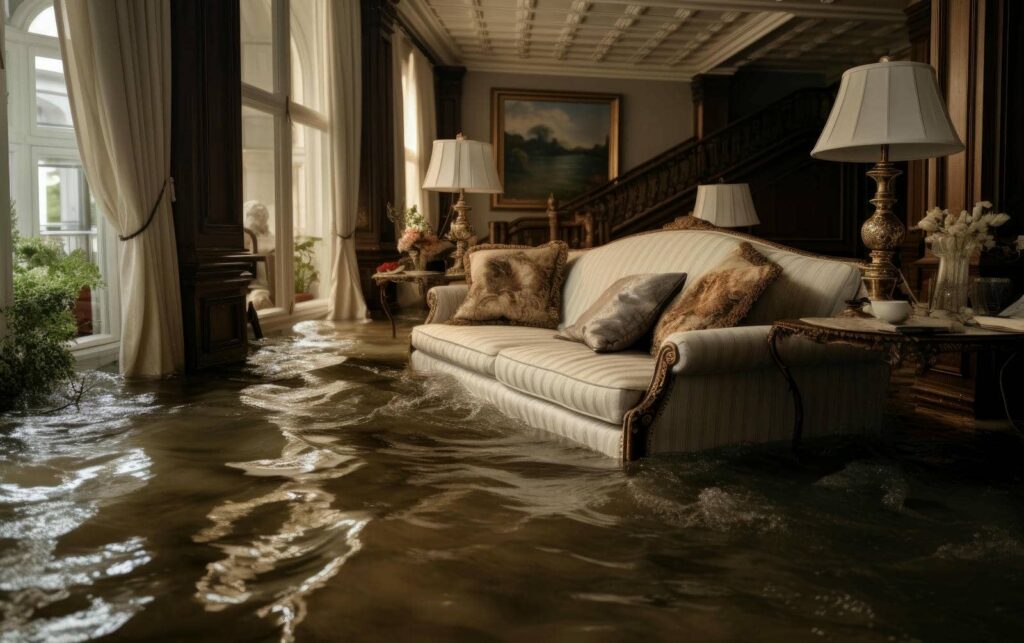
Floods can wreak havoc in mere moments, leaving chaos in their wake. To tackle the aftermath effectively, you need a structured approach. From evaluating the damage to sanitizing affected areas, each step plays an essential role in restoring safety and preventing further issues. What are the vital steps you should take to ensure a successful cleanup? Let’s break it down.
Key Takeaways
- Assess damage by inspecting the property, documenting with photos, and creating a list for insurance claims.
- Ensure safety by wearing PPE, checking for electrical hazards, and avoiding contaminated water.
- Remove standing water quickly using pumps or wet/dry vacuums to minimize damage.
- Dry and dehumidify the area with fans and dehumidifiers, monitoring humidity levels to prevent mold.
- Clean and sanitize affected areas by removing debris, scrubbing surfaces, and applying disinfectants.
Assessing the Damage
After a flood, the first step in effective cleanup is evaluating the damage. You’ll want to thoroughly inspect your property, noting any structural issues, water damage, and losses.
Start by documenting everything with photos and detailed notes; this will be essential for your insurance claims.
Identify items that can be salvaged and those that must be discarded. Make a list of damaged possessions, as this helps both in evaluating the extent of the damage and in communicating with your insurance provider.
Once you’ve gathered your information, contact your insurance company as soon as possible. They’ll guide you through the claims process, and having your damage evaluation ready will streamline things.
Ensuring Safety and Protection
Once you’ve assessed the damage, your next priority is ensuring safety and protection.
It’s vital to safeguard yourself and others during cleanup. Here are four key steps to follow:
Wear Personal Protective Equipment (PPE): This includes gloves, masks, and waterproof boots to shield against contaminants and injuries.
Check for Electrical Hazards: Before entering any flooded area, confirm that the power is turned off to avoid electric shock. Use a non-contact voltage tester if necessary.
Ventilate the Area: Open windows and doors to promote airflow and reduce the risk of mold growth.
Avoid Contaminated Water: Stay clear of floodwater, as it may contain hazardous materials or pathogens that can harm your health.
Removing Standing Water
Start by tackling the standing water as quickly as possible to minimize damage and reduce health risks. Use effective pumping techniques to remove large volumes of water swiftly. A submersible pump can be your best friend here; it’s designed for quick water extraction from flooded areas.
If you don’t have a pump, you can use buckets or wet/dry vacuums for smaller amounts. Make sure to wear protective gear like boots and gloves while working.
As you remove the water, check for any hazards like electrical wires or sharp objects. Keep the flow steady and avoid creating waves that can stir up contaminants.
Once you’ve cleared the standing water, it’s essential to keep the area ventilated to aid in the next steps of your cleanup process.
You’re not alone in this; many have faced similar challenges, and together, we can tackle the aftermath of flooding effectively.
Drying and Dehumidifying
As you move forward with your flood cleanup, drying and dehumidifying the affected area is essential to prevent mold growth and further damage.
Here are some steps to help you effectively dry out your space:
Choose the Right Dehumidifier: Pay attention to dehumidifier selection; opt for a unit that matches the size of the affected area for ideal results.
Utilize Fans: Setting up fans can enhance air circulation, making drying techniques more effective. Position them to direct airflow toward damp surfaces.
Open Windows and Doors: If weather permits, opening windows and doors can help create cross-ventilation, speeding up the drying process.
Monitor Humidity Levels: Use a hygrometer to keep an eye on humidity levels, ensuring they drop below 60% to inhibit mold growth.
Cleaning and Sanitizing Affected Areas
Cleaning and sanitizing affected areas after a flood is essential for restoring your space and ensuring a safe environment. Start by removing all debris and contaminated materials. Next, focus on surface disinfection to eliminate harmful bacteria and viruses. Use a mixture of water and a disinfectant that meets EPA standards.
Here’s a simple guide to help you:
| Step | Action | Purpose |
|---|---|---|
| 1. Remove Debris | Clear out all wet items | Prevents mold growth |
| 2. Clean Surfaces | Scrub walls, floors, and items | Ensures thorough cleaning |
| 3. Disinfect | Apply disinfectant solution | Kills germs and bacteria |
| 4. Rinse | Use clean water | Removes any residual chemicals |
| 5. Dry | Air dry and use fans | Aids in mold prevention |
Frequently Asked Questions
How Do I Handle Contaminated Floodwater?
When handling contaminated water, prioritize safety precautions. Wear protective gear, such as gloves and masks, avoid direct contact, and ensure proper ventilation. Always dispose of contaminated materials responsibly to protect yourself and your community from health risks.
What Insurance Coverage Is Available for Flood Damage?
You’ve got flood insurance options, like the National Flood Insurance Program, offering specific coverage limits. Check your policy details to ensure you’re adequately protected and understand what damages are covered in case of a flood.
Can I Perform Flood Cleanup Myself?
You can perform flood cleanup yourself, but prioritize safety. DIY flood recovery involves wearing protective gear, ensuring proper ventilation, and being cautious of electrical hazards. Always assess the situation before diving in to protect yourself.
How Long Does Flood Cleanup Usually Take?
Flood cleanup duration varies widely, often influenced by water levels and damage severity. Typically, it can take days to weeks. Understanding your cleanup timeline helps you prepare and manage expectations during this challenging time.
When Should I Call a Professional Restoration Service?
You should call a professional restoration service immediately after evaluating the flood damage. They’ll provide expert flood restoration and ensure your home is safe, preventing further issues that could arise from lingering moisture or mold.
Final Thoughts
By following these five steps, you can navigate the turbulent waters of flood cleanup with confidence. Picture your home transforming back into a safe haven, free from the shadows of water damage. As you assess, protect, remove, dry, and sanitize, you’re not just restoring your space; you’re reclaiming your peace of mind. Remember, each step is a brick in the dam holding back the tide of chaos, allowing you to rebuild and rejuvenate your environment with resilience.
Recent Posts
Top Tips to Prevent Future Water Damage
Water damage can lead to costly repairs and headaches if you’re not proactive. By regularly
How to Prevent Future Water Damage Today
Water damage emergencies occur across the U.S. every day, underscoring the importance of taking proactive
3 Best Practices for Home Flood Prevention
Home flooding can cause significant damage and stress, but you can take proactive steps to