Contents
When nature’s overflow occurs, it’s essential to approach the cleanup process with care and precision. You’ll need to act quickly to mitigate risks to health and property. Understanding the right steps to take can make a significant difference in the outcome. Knowing what immediate actions to prioritize sets the stage for a thorough restoration. Let’s explore the key procedures that ensure your environment is safe and secure after such an event.
Key Takeaways
- Notify local authorities immediately and secure the area to prevent unauthorized access to contaminated zones.
- Wear protective gear, including gloves and masks, to safeguard against health hazards.
- Contain the overflow using barriers and document the extent with photos for reporting.
- Remove contaminated materials, clean surfaces with soap, and apply EPA-approved disinfectants.
- Schedule professional cleanup services for severe contamination and streamline insurance claims with detailed documentation.
What Causes Sewage Overflow and Its Risks?
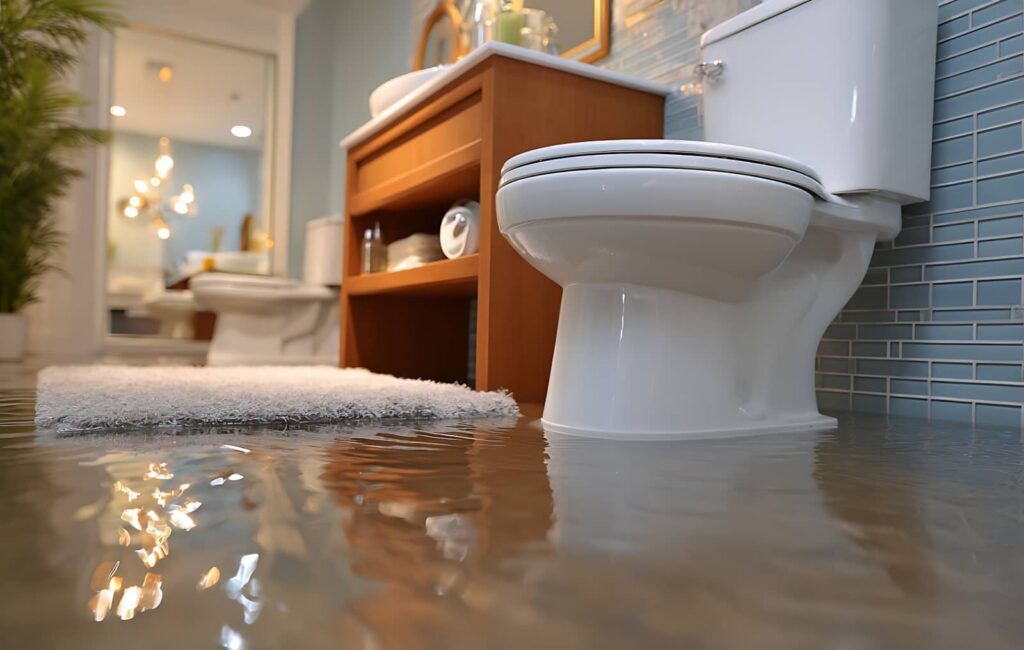
Sewage overflow often occurs when heavy rainfall overwhelms sewer systems, causing untreated wastewater to spill into the environment.
These sewage system failures result from insufficient capacity to handle stormwater, leading to backups and breaches. Poor stormwater management practices exacerbate the issue, allowing runoff to accumulate and exceed system limits.
When overflow happens, it poses significant health risks, including exposure to pathogens and pollutants, which can contaminate local water sources.
Communities feel the impact, as public health and environmental safety are compromised. Understanding the causes of sewage overflow and its associated risks is essential for developing effective mitigation strategies.
What to Do Immediately After a Sewage Overflow?
When you discover a sewage overflow in your area, immediate action is essential to minimize health risks and environmental damage. Your initial response should involve notifying local authorities to manage the situation effectively.
Avoid contact with the sewage and secure the area to prevent others from entering. Gather information about the extent of the overflow and document it with photos for reporting purposes.
Next, implement immediate actions such as turning off nearby utilities and ensuring proper ventilation in affected spaces. If safe, contain the overflow using barriers to limit its spread.
Follow local guidelines for cleanup and disposal, and consult professionals if the situation is extensive. Acting quickly and correctly helps protect your community and restores safety.
Stay Safe: Key Precautions to Take
When facing sewage overflow, your safety is paramount.
Always wear protective gear, such as gloves and masks, to shield yourself from harmful contaminants.
Additionally, steer clear of affected areas to minimize risk of exposure and potential health hazards.
Wear Protective Gear
Although cleanup after sewage overflow is critical, ensuring your safety through proper protective gear is paramount.
Start by wearing protective clothing, such as waterproof gloves, boots, and coveralls, to shield yourself from harmful contaminants. Consider using safety equipment like respirators or masks to guard against airborne pathogens and foul odors.
Eye protection is also essential, as splashes can occur during the cleanup process. Make sure your gear is durable and specifically designed for hazardous environments to minimize risks.
Avoid Contaminated Areas
To ensure your safety during sewage overflow cleanup, it’s essential to stay away from contaminated areas. Flooded basements often harbor hazardous materials that can pose serious health risks.
By avoiding these zones, you’re protecting yourself from potential exposure to harmful pathogens and toxic substances. Here are key precautions to keep in mind:
- Steer clear of flooded basements and standing water.
- Use barriers to restrict access to contaminated zones.
- Rely on local authorities for guidance on safe areas.
- Monitor air quality for harmful fumes or pathogens.
- Report any hazardous material concerns to appropriate agencies.
Essential Supplies for Sewage Cleanup and Restoration
Cleanup after a sewage overflow demands a specific set of supplies to ensure effective restoration and safety.
You’ll need personal protective equipment (PPE) like gloves, masks, and goggles to shield yourself from contaminants.
For effective cleanup techniques, gather absorbent materials such as towels and mops, along with buckets for waste collection.
Restoration products play an essential role; look for disinfectants and enzymatic cleaners designed to eliminate pathogens.
A wet/dry vacuum is invaluable for removing standing water, while industrial fans can aid in drying affected areas.
Don’t forget to include trash bags for contaminated materials and a first-aid kit for emergencies.
Having these supplies on hand assures you’re prepared to tackle the challenges of sewage overflow cleanup.
Steps to Contain the Sewage Overflow
After gathering the necessary supplies for sewage cleanup, it’s time to focus on containing the overflow to minimize damage and exposure. Implementing effective containment methods is essential.
Start by identifying the source of the overflow. Use overflow barriers to direct sewage away from unaffected areas.
Consider these steps:
- Seal off affected zones to prevent further spread.
- Utilize sandbags or temporary barriers for quick containment.
- Monitor water levels to assess potential overflow risks.
- Apply absorbent materials like pads or booms to soak up spills.
- Communicate clearly with your team about containment measures.
Cleaning and Disinfecting Affected Areas
Before you begin cleaning and disinfecting affected areas, prioritize safety precautions to protect yourself from harmful pathogens.
Once you’ve ensured a safe environment, employ effective disinfection techniques to eliminate contaminants thoroughly.
This process is essential for restoring the integrity of your space and preventing future health risks.
Safety Precautions First
Though sewage overflow can pose serious health risks, taking the right safety precautions is vital when cleaning and disinfecting affected areas.
Start by equipping yourself with proper personal protective equipment (PPE) to mitigate health hazards.
- Wear gloves and boots to avoid skin contact.
- Use a mask to prevent inhalation of harmful particles.
- Confirm goggles are worn to protect your eyes from splashes.
- Keep the area well-ventilated to reduce airborne pathogens.
- Dispose of contaminated materials safely and promptly.
Effective Disinfection Techniques
Once you’ve secured your safety, it’s vital to implement effective disinfection techniques to mitigate health risks associated with sewage overflow.
Begin by removing all contaminated materials and thoroughly cleaning surfaces with soap and water.
Next, apply appropriate disinfection methods, such as chlorine bleach solutions or EPA-approved disinfectants, ensuring you follow the manufacturer’s instructions for dilution and contact time.
Don’t forget to ventilate the area properly during this process.
Adhering to sanitation protocols is imperative; wear protective gear, including gloves and masks, to safeguard your health.
Finally, after disinfection, monitor the affected areas for lingering odors or signs of contamination.
This proactive approach protects you while fostering a sense of community responsibility.
Handle Contaminated Water and Waste Safely
As storms can lead to sewage overflow, it’s crucial to handle contaminated water and waste safely to prevent health risks.
Improper management can result in severe health hazards, so follow these guidelines:
- Wear protective gear, including gloves, masks, and boots.
- Avoid direct contact with contaminated water and waste.
- Use appropriate containers for waste disposal.
- Sanitize surfaces and tools immediately after use.
- Disinfect any clothing exposed to contaminated materials.
When to Hire Professional Sewage Cleanup Services?
When you encounter severe contamination levels or extensive property damage after a sewage overflow, it’s essential to assess the situation carefully.
Attempting to manage these issues on your own can pose health risks and lead to further damage.
Hiring professional sewage cleanup services ensures a thorough and safe restoration process.
Severe Contamination Levels
Consider hiring professionals if you notice:
Foul odors indicating untreated sewage
Visible sewage or water pooling in your living space
Mold growth within 24-48 hours of flooding
Involvement of hazardous materials or chemicals
Any underlying health conditions among residents
Extensive Property Damage
Severe contamination from sewage overflow often leads to extensive property damage, making timely intervention essential.
If you notice structural issues, such as warped flooring or damaged walls, it’s time to contemplate hiring professional sewage cleanup services. These experts conduct thorough property assessments, ensuring no hidden contaminants linger that could jeopardize your health.
Additionally, their expertise can greatly streamline the process of filing insurance claims, as they document damage meticulously and provide necessary reports.
Delaying cleanup can exacerbate damage and complicate your insurance situation. By acting swiftly and enlisting professionals, you not only safeguard your property but also enhance your chances of a successful claim.
Prioritize your home’s safety and recovery by making informed decisions during this critical time.
How to Prevent Future Sewage Overflows in Your Home
To effectively prevent future sewage overflows in your home, regular maintenance and proactive measures are essential.
Prioritizing drain maintenance and scheduling plumbing inspections can greatly reduce risks. Here are key steps to take into account:
Inspect and clean drains regularly to remove debris.
Schedule annual plumbing inspections to catch issues early.
Use drain covers to prevent large objects from entering.
Be cautious about what goes down the drains; avoid flushing non-biodegradable items.
Think about a backwater valve to prevent sewage from reversing flow during heavy rains.
Final Steps to Restore Your Home and Peace of Mind
As you navigate the aftermath of a sewage overflow, taking decisive steps to restore your home and peace of mind is essential.
Start by thoroughly inspecting all affected areas for hidden damage, ensuring structural integrity. Replace contaminated materials, such as drywall and insulation, to facilitate proper home restoration.
Next, employ professional cleaning services to eliminate lingering odors and bacteria, safeguarding your family’s health. Consider upgrading your plumbing system to prevent future incidents, reinforcing your commitment to peaceful living.
Finally, connect with your community for support; sharing experiences can alleviate stress and foster a sense of belonging.
Frequently Asked Questions
How Can I Identify if My Home Is at Risk for Sewage Overflow?
To identify if your home’s at risk for sewage overflow, conduct a risk assessment by checking drainage systems, inspecting for clogs, and following sewage prevention tips. Regular maintenance can greatly reduce potential issues.
What Are the Long-Term Health Effects of Exposure to Sewage?
Exposure to sewage pathogens increases your risk of serious health issues; some affected individuals develop gastrointestinal problems. Long-term effects can include chronic infections, respiratory issues, and potential neurological damage. Stay vigilant.
Can Homeowners Insurance Cover Sewage Overflow Damages?
Yes, homeowners insurance can cover sewage overflow damages, but it depends on your insurance policy and specific coverage limits. Always review your policy details to ensure adequate protection against such unexpected events.
How Do Local Regulations Affect Sewage Overflow Cleanup Efforts?
Local regulations dictate your cleanup protocols, ensuring regulatory compliance. When you follow these guidelines, you protect your property and contribute to community health and safety, fostering a sense of belonging among residents.
What Should I Do if My Neighbor Is Affected by Sewage Overflow?
If your neighbor’s affected by sewage overflow, offer neighbor support by checking in, helping with cleanup, and connecting them to community resources. This fosters resilience and strengthens bonds within your neighborhood during challenging times.
Summary
Tackling sewage overflow promptly safeguards your health and home. By following the outlined steps, you restore your space and reclaim your peace of mind—something invaluable, akin to finding a long-lost family heirloom. Remember, prevention is key; implementing robust measures now can save you from future headaches. Stay vigilant, and ensure your home remains a sanctuary, not a battleground against nature’s fury.
Recent Posts
Emergency Flood Cleanup for Water Damage Response
If you lose power just as water starts rising, you have a flood response problem
7 Emergency Flood Cleanup Tips
You might not realize that floodwater can hide electrical hazards and structural damage even after
Why Mold Remediation Follows Flood Cleanup
Could it be true that flood cleanup alone leaves a hidden mold problem behind? You