
Contents
Did you know that nearly 50% of homes in the U.S. can harbor mold at some point? After a pipe bursts, it’s vital to act quickly to prevent health risks and structural damage. Effective mold cleanup techniques can make all the difference, but knowing the right steps is essential. Are you prepared to tackle the complexities of mold removal and guarantee your home stays safe and dry?
Key Takeaways
- Shut off the water supply immediately to prevent further flooding and mold growth.
- Remove standing water using pumps or wet vacs to facilitate drying.
- Ensure proper ventilation by opening windows and using fans to reduce moisture levels.
- Identify and dispose of contaminated materials like carpets or drywall to limit mold spread.
- Clean hard surfaces with water and detergent or specialized mold cleaners for effective remediation.
Mold Growth Cycle: What You Need to Know First
Understanding the mold growth cycle is essential for effective remediation. The mold lifecycle consists of four stages: spore, germination, growth, and reproduction. Each stage is influenced by environmental factors like moisture, temperature, and nutrient availability.
When conditions are favorable, spores will germinate and begin to grow, rapidly expanding as they absorb nutrients. High humidity and warm temperatures accelerate this process, making it imperative to control these variables in your environment.
Recognizing these stages empowers you to take proactive measures against mold. By understanding the lifecycle, you can better anticipate mold growth and implement effective strategies to prevent infestations. This knowledge not only protects your space but also fosters a sense of community by promoting healthier living conditions for everyone.
Immediate Actions to Take After a Pipe Burst
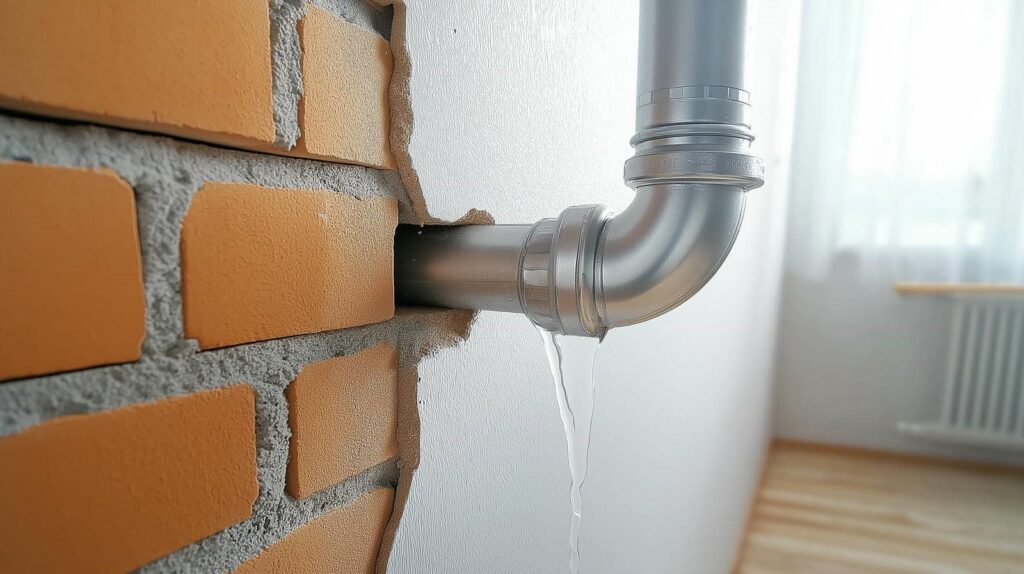
When a pipe bursts, quick action is crucial to minimize water damage and prevent mold growth. First, shut off the water supply immediately to stop further flooding.
Next, assess the affected area and document any damage for insurance purposes. Remove any standing water using a pump or wet vac.
Dry the space thoroughly by opening windows, using fans, and dehumidifiers. If possible, remove wet materials like carpets or drywall to expedite drying and reduce mold risk.
Make certain you wear protective gear like gloves and masks during this process. Your immediate response can greatly impact the extent of the damage and mold development, so act swiftly and decisively to protect your home.
Steps for Effective Mold Cleanup
Effective mold cleanup involves several essential steps to guarantee thorough removal and prevent future growth.
First, identify the mold types present; different species may require specific cleanup methods. Next, make certain the affected area is well-ventilated to minimize inhalation risks. Use personal protective equipment, including gloves and masks, to safeguard yourself during the process.
Start by removing contaminated materials like drywall or carpeting. For hard surfaces, scrub with a mixture of water and detergent, or a specialized mold cleaner.
After cleaning, thoroughly dry the area to inhibit mold recurrence. Finally, monitor the space for signs of regrowth, and consider using a dehumidifier to control moisture levels.
Following these steps will help make certain a successful mold remediation.
Essential Tools for Mold Removal
When tackling mold removal, having the right tools is vital for effective cleanup.
You’ll need essential safety gear to protect yourself, appropriate cleaning solutions to eliminate mold, and moisture detection tools to identify problem areas.
Let’s explore these tools to guarantee your mold remediation process is efficient and safe.
Safety Gear Essentials
Mold removal isn’t just about eliminating the spores; it also requires the right safety gear to protect yourself during the process.
Start with protective clothing—long sleeves, gloves, and pants are essential to shield your skin from irritants. Make sure your clothing is durable and tightly woven to minimize exposure.
Next, invest in high-quality respiratory masks designed for mold removal. N95 or P100 masks filter out harmful spores, ensuring you breathe safely while you work.
Eye protection is also vital; goggles prevent irritation from mold particles.
Finally, consider using boot covers to keep your footwear clean and protected.
With the right gear, you’ll tackle mold cleanup confidently and safely, fostering a sense of belonging in your community’s health efforts.
Cleaning Solutions Overview
A variety of cleaning solutions are essential for effective mold removal. You can choose from natural cleaning methods, such as vinegar and baking soda, which are eco-friendly options that effectively combat mold without harsh chemicals.
If you’re looking for chemical solutions, consider products specifically designed to eliminate mold, but always follow safety guidelines. DIY methods can also be effective; for instance, a mixture of hydrogen peroxide and water can penetrate porous surfaces and kill spores.
Remember to test any solution on a small area first to guarantee it doesn’t damage your surfaces. Ultimately, selecting the right cleaning solution depends on your preferences, the severity of the mold, and your commitment to eco-friendly practices.
Moisture Detection Tools
Detecting moisture is essential for effective mold removal. You’ll want to invest in reliable moisture meters, as they provide accurate readings of moisture levels in materials like wood and drywall.
These devices help you pinpoint hidden dampness, which is critical for preventing mold regrowth. Additionally, thermal imaging cameras can be invaluable. They detect temperature variations that indicate moisture presence behind walls or under floors.
By using these tools, you can quickly assess the extent of the damage and target your cleanup efforts effectively. Remember, identifying moisture sources not only aids in mold removal but also guarantees a healthier living environment.
Equip yourself with these essential tools, and you’ll be better prepared to tackle mold issues head-on.
Effective Strategies to Prevent Home Moisture
To effectively prevent moisture in your home, it’s crucial to identify and address potential sources of humidity.
Start by investing in reliable humidity control systems, such as dehumidifiers, especially in damp areas like basements.
Verify that your ventilation systems are functioning properly; this includes exhaust fans in kitchens and bathrooms that help expel moist air outdoors.
Regularly check for leaks in pipes and roofs, as they can contribute considerably to moisture buildup.
Insulate your home efficiently to reduce condensation on surfaces.
Finally, maintain a consistent indoor temperature to limit humidity fluctuations.
When to Seek Professional Mold Remediation Help?
Even with effective moisture control measures in place, mold can still become a problem in your home. It’s essential to recognize when to seek professional mold remediation help.
Consider a professional assessment if you notice:
- Visible mold growth in multiple areas
- Persistent mold symptoms, like coughing or sneezing
- Mold returning after cleanup efforts
- High humidity levels despite control measures
Addressing mold issues promptly can prevent further complications.
If you suspect extensive contamination or experience health-related symptoms, don’t hesitate to reach out to experts. They’re equipped to identify hidden mold and implement thorough remediation strategies.
Taking action not only protects your home but also guarantees a healthier living environment for you and your loved ones.
Health Risks Associated With Mold Exposure
While mold might seem like a minor nuisance, exposure can lead to significant health risks. You may experience mold symptoms ranging from respiratory issues, such as coughing and wheezing, to skin irritations and headaches.
Those with allergies or asthma often face heightened sensitivities, making exposure even more dangerous. The health effects can be severe, particularly for vulnerable populations like children and the elderly.
Long-term exposure may contribute to chronic conditions or worsen existing health problems. It’s essential to address any mold presence promptly to minimize these risks.
Best Practices for Long-Term Moisture Control
Addressing mold exposure requires a proactive approach to moisture control. To guarantee a mold-free environment, you need to focus on effective strategies:
Humidity Control: Keep indoor humidity below 60% using dehumidifiers or air conditioning.
Ventilation Improvement: Enhance airflow by using exhaust fans in kitchens and bathrooms.
Regular Inspections: Routinely check for leaks and water damage in vulnerable areas.
Proper Insulation: Insulate pipes and ducts to prevent condensation.
Implementing these best practices will greatly reduce moisture levels in your home, minimizing the chance of mold growth.
Frequently Asked Questions
Can Mold Grow in Cold Temperatures After a Pipe Burst?
Yes, mold growth can occur in cold environments, especially if moisture persists after a pipe burst. Even lower temperatures don’t completely inhibit mold; they just slow it down. Guarantee you address water issues promptly.
How Long Does It Take for Mold to Appear?
Mold can appear within 24 to 48 hours after moisture exposure. Understanding this mold growth timeline emphasizes the importance of prompt moisture control to prevent extensive damage and foster a healthier living environment for everyone.
Can I Use Bleach to Kill Mold Effectively?
No, bleach isn’t the best choice for killing mold. It can’t penetrate porous surfaces. Instead, consider bleach alternatives like vinegar or hydrogen peroxide for effective mold prevention and deeper cleaning on affected materials.
What Are Signs of Hidden Mold Growth?
You’ll notice unusual odors, water stains, or peeling paint as signs of hidden mold growth. Use mold identification tips to inspect common hidden mold locations, like behind walls, under carpets, and in damp basements.
Will Insurance Cover Mold Cleanup Costs?
Your insurance policy might cover mold cleanup costs, but check those coverage limits. Imagine maneuvering through a maze; understanding your policy helps you find the right path to financial support when facing unexpected mold issues.
Final Thoughts
Tackling mold after a pipe burst is essential for your health and home. Did you know that nearly 70% of homes in the U.S. have some level of mold? By following the steps outlined—shutting off water, ventilating the area, and using the right cleanup techniques—you can greatly reduce the risk of mold growth. Remember, maintaining moisture control is key to preventing future issues, so stay vigilant and proactive!
Recent Posts
What Is a Sewage Spill Remediation Company?
If your basement backs up with sewage after a heavy storm, you need more than
Emergency Flood Cleanup for Water Damage Response
If you lose power just as water starts rising, you have a flood response problem
7 Emergency Flood Cleanup Tips
You might not realize that floodwater can hide electrical hazards and structural damage even after