Contents
When faced with water damage, knowing the top emergency water removal methods is essential. You need to start by evaluating the affected area to determine the extent of the damage. This evaluation will guide your choice of tools and techniques. Utilizing pumps for large-scale extraction is important, but don’t overlook the effectiveness of wet/dry vacuums for smaller spaces. There’s more to ponder, especially when it comes to preventing mold and ensuring thorough dehumidification.
Key Takeaways
- Utilize sump pumps for large water volumes, especially in basements, ensuring a reliable power source is available.
- Employ portable pumps for targeted extraction in specific areas with water accumulation.
- Use wet/dry vacuums for residual water in smaller spaces, ensuring regular maintenance for optimal performance.
- Implement dehumidifiers to reduce humidity levels, aiming for 30-60% to prevent mold growth.
- Regularly inspect for mold and moisture, using mold-inhibiting solutions and proper ventilation to maintain a healthy environment.
Assessing the Affected Area
Before you begin any emergency water removal, it’s essential to assess the affected area to determine the extent of the damage. Start with an initial damage assessment, inspecting walls, floors, and belongings for signs of water intrusion. Look for discoloration, mold, or warping, which can indicate deeper issues.
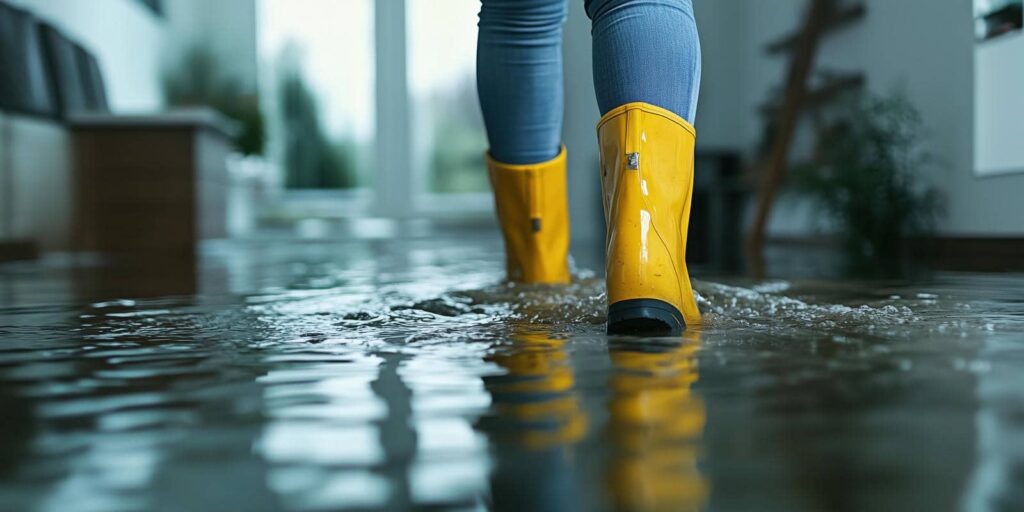
Ensure you take safety precautions during this evaluation. Wear protective gear like gloves and boots to guard against contaminants and sharp debris. If electrical systems are compromised, disconnect power sources to prevent hazards.
Use a moisture meter to quantify water saturation levels, helping you gauge the severity of the situation. Document your findings thoroughly; this information will guide your next steps in the water removal process.
Utilizing Pumps for Water Extraction
Once you’ve assessed the affected area, utilizing pumps for water extraction becomes an essential step in the recovery process.
Sump pumps and portable pumps are your best allies in efficiently removing standing water. Sump pumps are typically installed in basements and can handle large volumes, while portable pumps offer versatility, allowing you to target specific areas.
- Choose a pump based on the volume of water and the space’s accessibility.
- Make certain the pump’s power source is reliable, especially in emergency situations.
- Regularly monitor the pumping process to avoid overflow or mechanical failure.
Employing Wet/Dry Vacuums
After utilizing pumps for initial water extraction, employing wet/dry vacuums can further improve your water removal efforts, particularly in smaller or hard-to-reach areas.
These vacuums are equipped with powerful suction capabilities, allowing you to tackle residual water effectively. Look for essential wet/dry vacuum features, such as adjustable suction power, large tank capacity, and durable hose attachments, which can accommodate various surfaces and debris types.
To maximize efficiency, follow vacuum maintenance tips: regularly clean or replace filters to prevent blockages, check for clogs in hoses, and empty the tank frequently to maintain peak suction.
Always inspect the vacuum before use to verify it’s in good working condition. By leveraging wet/dry vacuums, you’ll achieve a thorough water removal, ultimately protecting your property and creating a safer environment for you and your loved ones.
Implementing Dehumidification Techniques
As moisture lingers in the air after flooding or water damage, implementing dehumidification techniques becomes essential for restoring a safe and dry environment.
To effectively control moisture levels, you’ll want to adjust your dehumidifier settings according to the space’s specific needs. This methodical approach ensures peak moisture control.
- Set the dehumidifier to a humidity level between 30% and 60% for ideal results.
- Regularly check and empty the water reservoir to maintain efficiency.
- Use fans to enhance airflow, supporting the dehumidifier’s effectiveness.
Addressing Mold and Mildew Growth
Even with effective dehumidification in place, the threat of mold and mildew growth remains a significant concern in water-damaged areas. To protect your space, you need to adopt a proactive approach focusing on both mold prevention and mildew control.
| Strategy | Description | Tools Needed |
|---|---|---|
| Regular Inspections | Check for hidden moisture spots | Moisture meter |
| Ventilation | Ensure proper airflow | Fans, vents |
| Cleaning | Use mold-inhibiting solutions | Mold cleaner |
Implementing these strategies will help you mitigate mold and mildew risks effectively. Start by conducting regular inspections to identify potential problem areas. Next, enhance ventilation to discourage moisture accumulation. Finally, use appropriate cleaning agents to eliminate any existing spores. By following these steps, you’re safeguarding your environment and fostering a sense of belonging in a healthy space.
Frequently Asked Questions
How Can I Prevent Future Water Emergencies?
To prevent future water emergencies, you should implement effective waterproofing techniques and install reliable drainage systems. Regular maintenance and inspections will ensure these systems function properly, safeguard your property, and provide peace of mind.
What Safety Precautions Should I Take During Water Removal?
During water removal, prioritize water safety by wearing protective gear like gloves and boots. Ascertain you have proper ventilation, check for electrical hazards, and use equipment safely to prevent accidents and protect your well-being.
How Long Does Water Removal Typically Take?
In a race against time, the water removal timeline usually spans hours to days, depending on the severity of the situation. You’ll find the drying process essential in preventing further damage and ensuring safety.
Will My Insurance Cover Water Removal Costs?
Your insurance policies might cover water removal costs, but it often depends on specific coverage limits. Review your policy details carefully and consult your agent to ensure you understand what’s included in your coverage.
What Should I Do if I Cannot Remove All the Water?
If you can’t remove all the water, conduct a thorough water damage assessment and consider advanced water removal techniques to mitigate further issues effectively.
Conclusion
Effectively addressing water removal requires a systematic approach. Did you know that mold can begin to develop within just 24-48 hours after water exposure? By quickly evaluating the affected area, utilizing pumps and wet/dry vacuums, and implementing dehumidification techniques, you can greatly reduce the risk of mold growth. Proactive measures, such as regular inspections and mold-inhibiting solutions, further enhance your efforts, ensuring a thorough and efficient recovery from water damage.
Recent Posts
Top Tips to Prevent Future Water Damage
Water damage can lead to costly repairs and headaches if you’re not proactive. By regularly
How to Prevent Future Water Damage Today
Water damage emergencies occur across the U.S. every day, underscoring the importance of taking proactive
3 Best Practices for Home Flood Prevention
Home flooding can cause significant damage and stress, but you can take proactive steps to