
Contents
Imagine standing in your home, surrounded by the remnants of a flood, where water once flowed freely, leaving behind a trail of destruction. It’s overwhelming, but knowing the top strategies for post-flood cleanup can make a significant difference. From evaluating damage to preventing future issues, each step requires careful consideration and action. How do you navigate this challenging process and ensure your space is safe and livable again?
Key Takeaways
- Document all damage with photographs and categorize it to facilitate insurance claims and recovery planning.
- Ensure safety by assessing structural integrity and wearing protective gear before entering affected areas.
- Remove standing water promptly using pumps and vacuums, and promote drying with dehumidifiers and airflow.
- Clean and sanitize affected surfaces with disinfectants, focusing on mold prevention through repairs and humidity control.
- Implement flood-resistant strategies like proper landscaping and drainage maintenance to mitigate future flooding risks.
Assessing the Damage
As you begin the challenging task of evaluating the damage after a flood, it’s essential to approach the situation with a clear and methodical mindset.
Start your flood assessment by documenting the affected areas with photographs; this will help you visualize the extent of the damage and provide evidence for future claims.
Next, categorize the damage—structural, electrical, and personal belongings—ensuring you’re thorough in your damage evaluation. Pay close attention to water levels and any debris that may pose additional risks.
As you assess, remember to stay compassionate towards your own emotional state and those around you; you’re not alone in this process. Engage neighbors or community members who may also be affected, as sharing experiences can foster a sense of belonging and support.
Ultimately, a detailed evaluation will empower you to make informed decisions about the necessary next steps in your recovery journey.
Ensuring Safety First
Before you start the cleanup, it’s essential to assess the structural integrity of your home to ensure it’s safe to enter.
Wearing protective gear, like gloves and boots, helps shield you from harmful contaminants and sharp debris.
Additionally, steer clear of any electrical hazards to prevent accidents and keep yourself safe throughout the process.
Assess Structural Integrity
When you return home after a flood, evaluating the structural integrity is essential to ensure your safety.
Conducting a thorough structural assessment can help identify potential hazards. Here are four steps to guide you:
Inspect the Foundation: Look for cracks, shifting, or discoloration that may indicate structural damage.
Check Load-Bearing Walls: Confirm that these walls remain intact and free from water damage.
Examine the Roof: Look for sagging or missing shingles that could weaken the structure.
Assess Windows and Doors: Verify they open and close properly; warped frames can signal underlying issues.
Wear Protective Gear
Safety should always be your top priority during post-flood cleanup, and wearing protective gear is a crucial step in safeguarding your health. Start with essential personal protective equipment (PPE) like gloves, masks, and boots to shield yourself from contaminants and hazardous materials.
When considering gear selection, verify that your gloves are durable and waterproof, while masks should filter out harmful particles. Don’t forget eye protection, as debris can become airborne during cleanup.
Remember, this isn’t just about keeping yourself safe; it’s about creating a safe environment for your community, too. By prioritizing your well-being, you foster a collective resilience, encouraging others to do the same.
Your commitment to safety can inspire those around you, creating a stronger, more united effort in recovery.
Avoid Electrical Hazards
As you navigate the aftermath of a flood, it’s crucial to stay vigilant about electrical hazards that may lurk in your environment.
Prioritizing electrical safety can prevent devastating accidents. Here are some key steps to follow:
Turn off the power: Always shut off electricity at the main breaker before entering flooded areas.
Inspect outlets and appliances: Check for damage or moisture before plugging anything in.
Use battery-operated devices: Rely on flashlights and lanterns instead of electrical lighting until everything is verified safe.
Consult professionals: If in doubt, seek help from licensed electricians to assess and restore power safely.
Removing Standing Water
Though the aftermath of a flood can feel overwhelming, promptly removing standing water is essential for minimizing damage and preventing mold growth. Standing water can pose significant dangers, including structural damage and health risks. You can use various water-removal techniques to ensure a thorough cleanup.
Here’s a quick reference table for effective methods:
| Technique | Equipment Needed | Duration |
|---|---|---|
| Pumping | Submersible pumps | Hours |
| Wet Vacuuming | Wet/dry vacuum | Hours |
| Mopping and Squeegeeing | Mop, squeegee | Minutes |
| Absorbent Materials | Towels, rags | Minutes |
| Natural Evaporation | Open windows/fans | Hours to Days |
Using these techniques wisely will help you regain control of your space and protect your community. Remember, you’re not alone in this; support is always available.
Drying Out the Affected Areas
Once standing water has been removed, the next step is to dry out the affected areas thoroughly. This process is essential in preventing mold and structural damage.
Here are some effective strategies you can implement:
Use Dehumidifying Equipment: Invest in dehumidifiers to extract moisture from the air. This helps speed up the drying process considerably.
Ventilation Techniques: Open windows and doors to promote airflow. Consider using fans to circulate air, which aids in drying surfaces more quickly.
Heat Sources: If safe, use heaters to raise the temperature in the space, as warm air holds more moisture and can expedite drying.
Monitor Progress: Regularly check humidity levels with a hygrometer to confirm you’re on track and adjust your methods as needed.
Cleaning and Sanitizing Surfaces
Once you’ve dried out the affected areas, it’s vital to focus on cleaning and sanitizing surfaces to prevent health hazards.
You’ll need essential cleaning supplies—gloves, masks, and appropriate cleaners —and effective sanitization techniques to ensure your space is safe.
Essential Cleaning Supplies
As you begin the challenging task of cleaning and sanitizing surfaces after a flood, having the right supplies on hand is essential for effective restoration.
The right cleaning equipment and chemical cleaners can make a significant difference in combating the aftermath of water damage. Here’s a list of must-have supplies to help you on your journey:
- Heavy-duty gloves – Protect your hands from harmful substances.
- Disinfectant sprays – Use chemical cleaners designed to eliminate mold and bacteria.
- Mops and buckets – Essential for thorough cleaning of floors and surfaces.
- Scrub brushes – Ideal for tackling tough stains and grime.
Effective Sanitizing Techniques
While flood damage can feel overwhelming, employing effective sanitizing techniques is essential for restoring your home and ensuring a safe environment.
Start by selecting the right sanitizing solutions; chlorine bleach diluted to a ratio of 1:10 is often effective against mold and bacteria. Use surface disinfectants on all affected areas, including walls, floors, and countertops.
Make sure to follow the instructions on the labels, as contact time is vital for effectiveness. Don’t forget to wear protective gear, like gloves and masks, to safeguard yourself during the process.
After sanitizing, ventilate the space to help eliminate lingering odors and moisture.
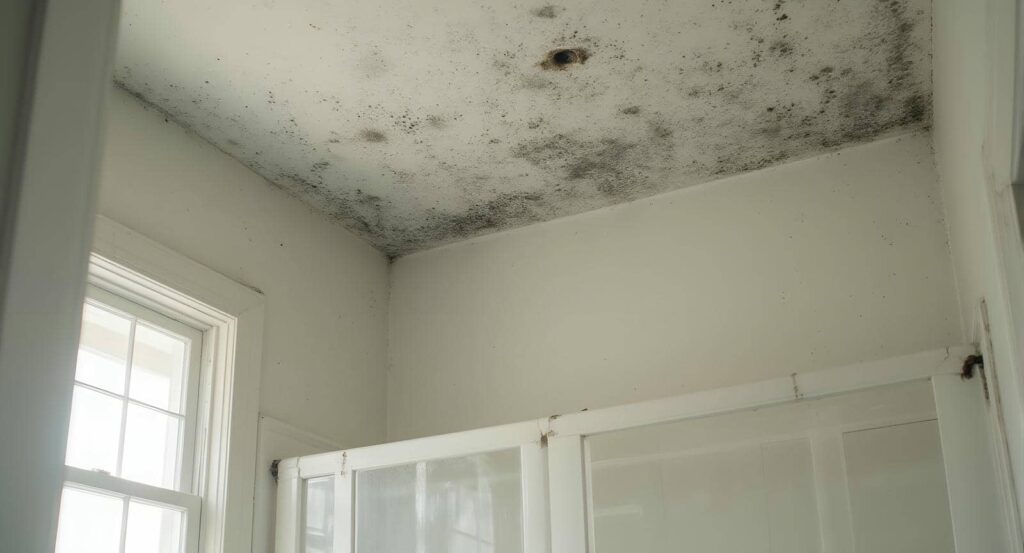
Addressing Mold Growth
Mold growth can become a silent invader in the aftermath of a flood, posing serious health risks and structural damage if left unchecked.
To effectively address this issue, you need to focus on both mold prevention and mold remediation strategies. Here are four essential steps to take:
Dry Out Affected Areas: Use fans and dehumidifiers to reduce moisture levels quickly.
Inspect for Mold: Examine walls, ceilings, and hidden spaces for visible mold growth or musty odors.
Use Mold Remediation Products: Apply appropriate cleaning solutions to eliminate existing mold. Remember to follow safety guidelines.
Seal and Repair: After cleaning, seal any leaks and repair damaged structures to prevent future mold growth.
Salvaging and Disposing of Damaged Items
After a flood, knowing how to salvage and dispose of damaged items is essential for restoring your home and ensuring safety.
Begin with a thorough item assessment; evaluate each piece of furniture, appliances, and personal belongings. Look for signs of damage like warping, mold, or structural issues. If an item can’t be cleaned or repaired, it’s time to let it go.
Next, follow local disposal guidelines to safely discard items. Some items may require special handling, especially electronics or hazardous materials.
Check with your municipality for specific instructions on bulk waste pickup or recycling programs.
Repairing Structural Damage
Once you’ve assessed and disposed of damaged items, it’s time to focus on repairing structural damage in your home. This process is vital for ensuring your safety and restoring your living space.
Begin with a thorough damage assessment to identify weak areas. Here are four steps to guide you:
Evaluate the Foundation: Check for cracks or shifting that may require structural reinforcement.
Inspect Walls and Beams: Look for warping or water damage; replace or reinforce as necessary.
Assess Floors and Ceilings: Verify they’re stable, replacing any sagging sections.
Consult Professionals: If the damage is extensive, enlist structural engineers or contractors to assist in repairs.
Preventing Future Flooding Issues
To effectively prevent future flooding issues, it’s crucial to understand your property’s unique vulnerabilities and take proactive measures.
Start by evaluating your landscape; implementing flood-resistant landscaping can greatly reduce water accumulation. This may include planting native vegetation that absorbs excess rain and creating swales to redirect water flow.
Additionally, engage with your neighbors to explore community drainage solutions. Collaborating on local drainage projects can enhance the effectiveness of your efforts and foster a sense of belonging within your community.
Consider installing rain barrels or permeable pavements to further manage excess water.
Regularly clean gutters and drainage systems to ensure they’re free of debris, allowing water to flow unobstructed.
Frequently Asked Questions
How Long Does Post-Flood Cleanup Typically Take?
Post-flood cleanup timelines vary based on damage assessment and affected area size. Typically, it takes weeks to months. You’ll need to prioritize tasks, seeking help from professionals to ensure a thorough and compassionate recovery for your community.
What Personal Protective Equipment Is Recommended During Cleanup?
Did you know most flood-related illnesses stem from contaminated water? When cleaning up, wear safety gear like gloves, masks, and boots to minimize contamination risks. Prioritizing your safety helps protect both yourself and your loved ones.
Are There Specific Regulations for Disposing of Flood Debris?
You need to check local debris disposal regulations, as they vary by area. Be mindful of hazardous material guidelines; improper disposal can harm both the environment and your community. Stay informed and responsible during cleanup.
Can I Claim Flood Damage on My Insurance?
You can claim flood damage on your insurance if you have flood insurance. Start with a thorough damage assessment, documenting everything. This ensures you understand your policy’s coverage and helps you navigate the claims process effectively.
Should I Hire Professional Help or DIY the Cleanup?
Deciding between professional services or DIY for cleanup depends on your budget and comfort level. While DIY might save costs, professionals ensure thoroughness, reducing long-term risks. Evaluate your situation carefully before making a choice that suits you.
Final Thoughts
Tackling post-flood cleanup may feel overwhelming, but by systematically evaluating damage, ensuring safety, and addressing each step, you can reclaim your space. Picture your home transformed: the musty odors replaced with fresh air, and sunlit rooms free from debris. While the process takes effort, every action you take restores your environment and reinforces your resilience against future floods. Embrace the journey of recovery; your efforts will pave the way for a safer, brighter home.
Recent Posts
Top Tips to Prevent Future Water Damage
Water damage can lead to costly repairs and headaches if you’re not proactive. By regularly
How to Prevent Future Water Damage Today
Water damage emergencies occur across the U.S. every day, underscoring the importance of taking proactive
3 Best Practices for Home Flood Prevention
Home flooding can cause significant damage and stress, but you can take proactive steps to