
Contents
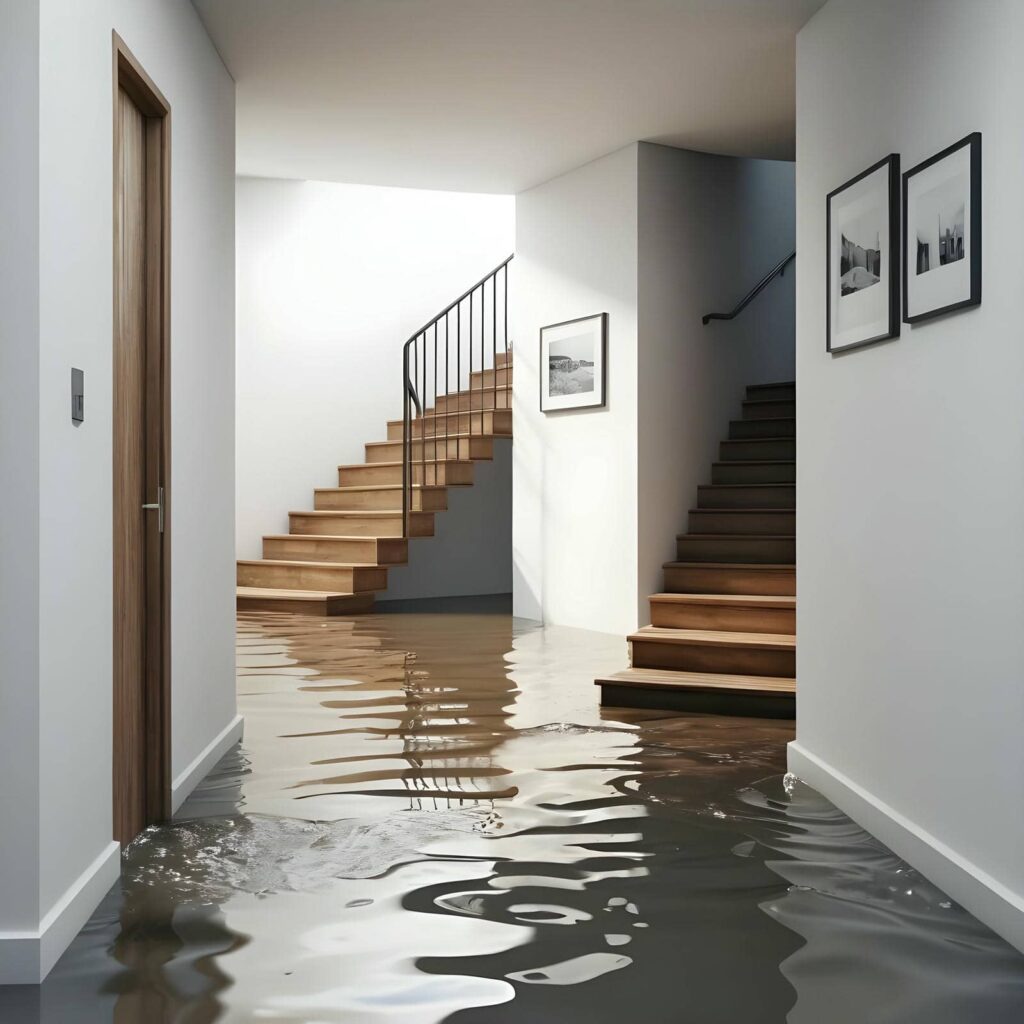
When faced with a flooded basement, your first step is evaluating the situation and ensuring safety. You need to turn off electricity in affected areas and wear appropriate gear. After that, gathering the right equipment is essential for efficient water removal. Understanding the methods for effective extraction will set the stage for successful recovery. We’ll explore the necessary tools and techniques to tackle this challenge effectively.
Key Takeaways
- Conduct a thorough risk assessment, turn off electricity, and wear safety gear before entering the flooded area.
- Use appropriate water extraction tools like submersible pumps for deeper water and wet/dry vacuums for smaller amounts.
- Inspect all surfaces for damage, mold, or contaminants, and clean with eco-friendly solutions to sanitize effectively.
- Utilize dehumidifiers and industrial fans to ensure complete drying and maintain humidity levels below 50%.
- Implement long-term prevention strategies such as waterproofing and regular maintenance checks on drainage systems to avoid future flooding.
Assessing the Situation and Safety Precautions
Before you begin any water removal process, it’s vital to assess the situation and prioritize safety.
Start with a thorough risk assessment to identify potential hazards, such as electrical hazards or structural damage. Turn off the electricity to the affected area and make certain your safety gear—gloves, boots, and masks—are on before entering the space.
Check for signs of mold or contaminants in the water, as these can pose health risks.
If the water level is significant, consider waiting for professional assistance; don’t put yourself in danger.
Document the damage for insurance purposes, taking photos as you go.
By methodically evaluating your environment and taking necessary precautions, you’re not just protecting yourself, but also creating a safer atmosphere for any helpers who may join you.
Gathering Necessary Equipment and Supplies
As you prepare to tackle water removal, gathering the right equipment and supplies is essential for an efficient and effective process. Start with water extraction tools, such as submersible pumps and wet/dry vacuums, which will help you remove standing water quickly. Depending on the severity of the flooding, you might also need a commercial-grade extractor for larger volumes.
Don’t overlook safety gear. You’ll want rubber gloves, waterproof boots, and eye protection to shield yourself from contaminants. A respirator can be vital if mold is a concern.
Additionally, gather towels, mops, and buckets for manual cleanup. Having a dehumidifier on hand will aid in drying the space after the bulk of the water is removed.
Organizing these supplies in advance not only streamlines the process but also fosters a sense of community as you work alongside others facing similar challenges.
Removing Standing Water Efficiently
Once you’ve gathered your water removal equipment and safety gear, it’s time to focus on efficiently eliminating standing water.
Using effective pumping techniques can greatly speed up water extraction. Follow these steps:
Assess the Area: Determine the depth of standing water to choose the right pump.
Select the Appropriate Pump: Use a submersible pump for deeper water or a sump pump for shallower areas.
Position the Pump: Place the pump at the lowest point of the basement to maximize water removal.
Monitor the Process: Keep an eye on the water level and adjust the pump settings as needed.
Drying Out the Affected Area
To effectively dry out the affected area, you’ll need to use dehumidifiers to reduce moisture levels in the air.
Set them up strategically to optimize their efficiency, ensuring they’re running continuously until the space is adequately dried.
Additionally, ventilate the space by opening windows and doors or using fans to promote air circulation and further enhance the drying process.
Use Dehumidifiers Effectively
While waiting for floodwaters to recede, using dehumidifiers effectively becomes crucial for drying out the affected area. Proper dehumidifier placement and monitoring humidity levels can greatly speed up the drying process.
Here are some steps to take into account:
Position the Dehumidifier: Place the unit in the center of the damp area for ideal airflow.
Close All Windows and Doors: This helps in maintaining low humidity levels and prevents outside moisture from entering.
Set the Right Humidity Level: Aim for a humidity level below 50% to effectively eliminate moisture.
Empty the Reservoir Regularly: Check the dehumidifier frequently and empty the reservoir to guarantee continuous operation.
Following these methods will create a more comfortable and safe environment in your basement.
Ventilate the Space
As floodwaters recede, it is essential to ventilate the space effectively to expedite the drying process and prevent mold growth. Start by opening windows and doors to enhance air circulation. Use fans to direct airflow and speed up evaporation. This method not only helps in moisture control but also creates a healthier environment.
| Method | Benefits |
|---|---|
| Open Windows | Increases natural air circulation |
| Use Fans | Accelerates drying process |
| Dehumidifiers | Reduces humidity levels |
Cleaning and Sanitizing Surfaces
Once you’ve dried the affected area, it’s vital to assess all surfaces for contamination.
Choosing the right cleaning solutions is essential for effective removal of dirt and potential pathogens.
After cleaning, make certain you properly disinfect and thoroughly dry all surfaces to prevent mold growth and maintain a safe environment.
Assessing Affected Areas
To effectively assess the affected areas in a flooded basement, you should begin by examining all surfaces for signs of water damage, mold, or contaminants. This process is essential, especially if you’re considering filing insurance claims.
Follow these steps to guarantee thorough evaluation:
Inspect walls and floor for discoloration, peeling paint, or warping, as these indicate flood damage.
Check insulation and drywall for moisture retention, which can lead to mold growth.
Assess furniture and belongings for saturation or damage, noting items that may require replacement.
Monitor air quality for musty odors, which can signal hidden mold.
Choosing Cleaning Solutions
After thoroughly evaluating the affected areas in your flooded basement, the next step is selecting appropriate cleaning solutions to effectively clean and sanitize surfaces.
Focus on eco-friendly options that minimize environmental impact while guaranteeing thorough cleaning. Look for biodegradable cleaners that can break down safely without leaving harmful residues.
When using any cleaning solution, prioritize chemical safety; always read labels and follow manufacturer instructions to avoid hazardous reactions. Assure adequate ventilation in your space to protect yourself from harmful fumes.
For surfaces like concrete or wood, specific formulations may be necessary, so don’t hesitate to consult product information.
Disinfecting and Drying Surfaces
As you begin disinfecting and drying surfaces in your flooded basement, it’s crucial to tackle this process methodically to guarantee that all areas are thoroughly sanitized.
Start by evaluating the different surface materials, as they may require specific disinfecting agents. Follow these steps:
Remove Debris: Clear away any remaining water and debris to expose surfaces.
Select Disinfecting Agents: Choose appropriate agents based on surface materials—bleach for hard surfaces, vinegar for softer ones.
Apply Solutions: Use a clean cloth or sponge to apply the disinfecting agents, ensuring even coverage.
Dry Thoroughly: After disinfecting, use fans or dehumidifiers to dry surfaces completely, preventing mold growth.
Addressing Mold and Mildew Prevention
Since mold and mildew can begin to develop within 24 to 48 hours after water exposure, it’s crucial to act quickly and implement effective prevention strategies. Start by confirming complete drying of the affected area. Use dehumidifiers and fans to reduce moisture levels. Regular inspections for leaks and proper ventilation can also help greatly in mold growth prevention.
Here’s a simple table to guide your mildew prevention efforts:
| Strategy | Description | Frequency |
|---|---|---|
| Dehumidification | Maintain humidity below 60% | Daily |
| Ventilation | Confirm airflow through spaces | Weekly |
| Surface Cleaning | Use mold-resistant cleaners | Monthly |
Restoring and Repairing Damaged Areas
Restoring and repairing damaged areas after a flood requires a systematic approach to guarantee long-term effectiveness. Start with an accurate water damage assessment to identify all affected areas. This step is vital to avoid future issues.
Document Damage: Take photos and notes to keep a detailed record for insurance claims.
Remove Contaminated Materials: Safely dispose of damaged drywall, insulation, and flooring to prevent mold growth.
Perform Structural Repairs: Inspect the foundation, walls, and beams for integrity. Reinforce or replace damaged structures as needed.
Dry and Dehumidify: Use industrial fans and dehumidifiers to ensure complete drying, which is essential for preventing mold and further damage.
Frequently Asked Questions
How Can I Prevent Future Flooding in My Basement?
To prevent future flooding in your basement, consider installing effective drainage solutions and employing advanced waterproofing techniques. Regular maintenance and inspections will also help you identify potential issues before they escalate into serious problems.
What Insurance Coverage Typically Includes Basement Flooding?
When considering insurance for basement flooding, you’ll typically find flood insurance covering damage from rising water. Review your policy’s coverage limits carefully, as they determine the financial protection available for your basement in such events.
Are There Professional Services for Flooded Basement Removal?
Did you know that nearly 14,000 people experience water damage daily? You can rely on professional flood restoration services for efficient water removal and mold remediation, ensuring your basement returns to a safe, dry environment.
How Long Does It Usually Take to Dry a Flooded Basement?
Drying a flooded basement usually takes 3 to 5 days, depending on drying techniques and thorough moisture assessment. You’ll want to monitor humidity levels to guarantee effective drying and prevent mold growth in your space.
What Are Common Signs of Hidden Water Damage?
Imagine a stealthy thief; hidden leaks sneak in, leaving behind water stains like whispered secrets on your walls. You notice warped floors, musty odors, and peeling paint—each a clue revealing hidden water damage’s quiet presence.
Summary
In summary, effectively handling basement flooding requires a methodical approach to guarantee safety and thoroughness. Did you know that nearly 14,000 people experience a water damage emergency daily in the U.S.? By following these steps—assessing the situation, removing standing water, and preventing mold—you can greatly reduce the risk of long-term damage. Stay vigilant with your preventive measures, and your basement can remain a safe, dry space for years to come.
Recent Posts
What Is Certified Mold Remediation After Flood?
After a basement flood in Houston, you might see musty odors, dark wall staining, and
Why Emergency Sewage Cleanup Matters Now
When wastewater enters your space, you’re dealing with more than an unpleasant mess. You’re facing
10 Emergency Sewage Cleanup Tips
A sewage spill is both urgent and manageable when you act in the right order: