
Contents
When sewage damage occurs, it often leads to the growth of black mold, which poses serious health risks. Understanding the remediation process is essential for restoring your home safely. You need to assess mold extent, use protective gear, and implement containment strategies. Each step is important for effective removal and prevention of future issues. But what specific actions should you take, and when should you consider calling in professionals?
Key Takeaways
- Black mold remediation involves assessing the affected area to determine the extent of mold growth after sewage damage.
- Personal protective equipment (PPE) is essential during the remediation process to protect against harmful spores.
- Containment techniques are employed to prevent mold spores from spreading during cleanup.
- Mold from non-porous surfaces is removed using water, detergent, or specialized cleaners for effective remediation.
- Dehumidification and thorough cleaning of all surfaces are crucial to ensure long-term prevention of mold regrowth.
Understanding Black Mold and Its Risks
Although black mold often goes unnoticed, it poses significant health risks, especially in environments affected by sewage damage. If you’re in such a space, it’s vital to understand how mold spores can infiltrate your home. These spores are microscopic and can easily become airborne, leading to respiratory issues and allergic reactions.
You mightn’t see mold immediately, but its presence can trigger symptoms like coughing, sneezing, and skin irritation.
The health risks associated with black mold are particularly alarming for vulnerable groups, including children and those with preexisting conditions. Prolonged exposure can exacerbate asthma or lead to chronic respiratory problems.
By recognizing these dangers, you empower yourself to take action. It’s essential to address sewage damage promptly and seek professional help for mold remediation.
Understanding the risks of black mold protects your health and fosters a safe environment for you and your loved ones, reinforcing your sense of belonging.
Identifying Signs of Black Mold After Sewage Damage
Recognizing the signs of black mold after sewage damage is essential for your health and safety. You should be vigilant for specific sewage contamination indicators, such as a musty odor, discoloration on walls, or unusual water stains.
These symptoms often signal moisture, which can promote mold growth. Employing mold identification techniques can further aid your efforts. For instance, check for visible patches of mold, as well as damp or soft materials like drywall and carpet, which are prime locations for mold to thrive.
Additionally, look for respiratory issues or allergic reactions among your family members, as these can indicate mold exposure. By staying alert to these signs, you can better protect your home and your loved ones.
Steps for Effective Black Mold Remediation
Effective black mold remediation involves a systematic approach to secure safety and thoroughness.
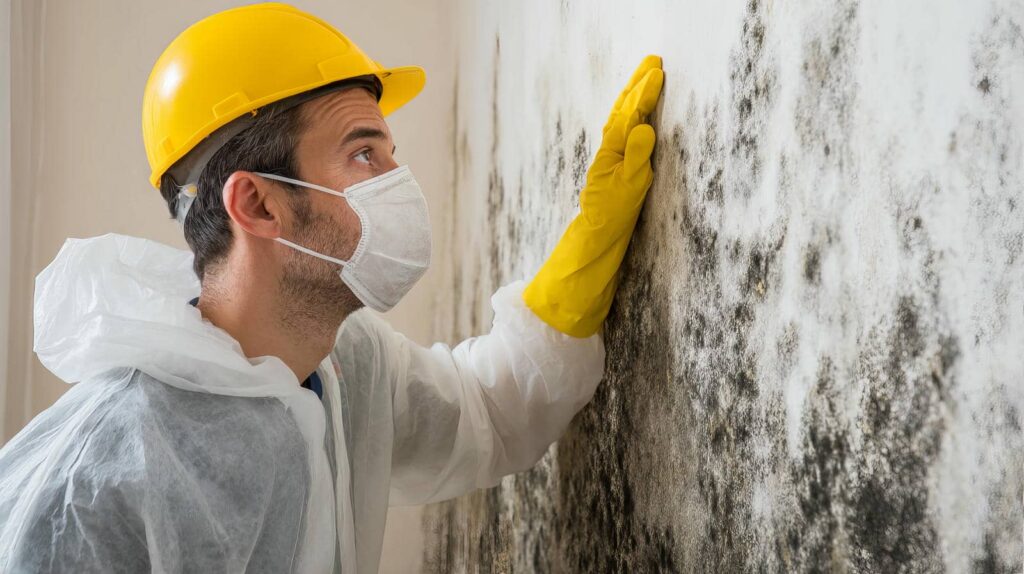
First, assess the affected area to determine the extent of the mold growth. Use personal protective equipment (PPE) to protect yourself during the process.
Next, employ effective remediation techniques such as containment, which prevents mold spores from spreading to unaffected areas.
For mold removal, start with non-porous surfaces using a mixture of water and detergent or specialized mold cleaners.
Porous materials, like drywall or carpeting, may need to be discarded if heavily contaminated.
After removing visible mold, dehumidify the space to reduce moisture levels, which are essential for mold growth.
Finally, clean and disinfect all surfaces to ensure long-term safety.
Preventing Future Mold Growth After Cleanup
To prevent future mold growth after cleanup, it’s essential to address the underlying issues that contributed to the initial problem.
First, implement effective moisture control by ensuring your home is properly ventilated. Use dehumidifiers in areas prone to dampness, like basements and bathrooms, to maintain humidity levels below 60%.
Next, inspect plumbing for leaks and repair any that you find, as even small drips can lead to mold growth.
Additionally, consider mold prevention strategies such as applying mold-resistant paint and using materials that are less susceptible to moisture damage.
Regularly clean and maintain gutters to prevent water accumulation around your home’s foundation.
Finally, promote airflow by rearranging furniture and keeping vents clear.
Professional Services for Mold Removal and Sewage Damage Repair
When dealing with mold removal and sewage damage repair, hiring professional services can make a significant difference in the outcome. Experts conduct thorough mold inspections to identify affected areas and determine the extent of contamination, ensuring no hidden mold remains. Their specialized knowledge allows them to tackle visible mold and underlying issues that could lead to future problems.
Additionally, during sewage cleanup, professionals use advanced techniques and equipment to safely remove contaminants, minimizing health risks to you and your family. They adhere to strict safety standards, ensuring that your home is restored to a safe and healthy environment.
Frequently Asked Questions
Can I Handle Black Mold Remediation Myself?
You can handle black mold remediation yourself, but it’s essential to use proper mold removal techniques and prioritize DIY safety. Always wear protective gear and ensure adequate ventilation to minimize health risks during the process.
How Long Does Black Mold Remediation Take?
Black mold remediation typically takes one to five days, depending on mold growth severity and the remediation timeline. Factors like area size and contamination extent can influence the duration, so assess your situation carefully.
What Is the Cost of Professional Mold Remediation?
Imagine steering through a stormy sea; the cost of professional mold remediation usually ranges from $500 to $6,000. This price reflects the complexity of the black mold remediation process and varies depending on your specific situation.
Will My Insurance Cover Black Mold Remediation?
Your insurance policies might cover black mold remediation, but it depends on your specific mold coverage. Review your policy details and consult your insurer to understand your coverage limits and any exclusions that may apply.
What Protective Gear Should I Wear During Remediation?
When tackling mold, think of yourself as a knight donning armor. You’ll need protective equipment like gloves, masks, and goggles. Following safety protocols ensures you stay safe and effective during the remediation process.
Final Thoughts
In the aftermath of sewage damage, addressing black mold isn’t just about cleaning; it’s about reclaiming your sanctuary. Like the phoenix rising from the ashes, you can restore your home to a safe haven free from the perils of mold. By following the outlined steps and seeking professional help when necessary, you eliminate the immediate threat and fortify your space against future infestations. Remember, a vigilant approach today ensures a healthier tomorrow.
Recent Posts
Top Tips to Prevent Future Water Damage
Water damage can lead to costly repairs and headaches if you’re not proactive. By regularly
How to Prevent Future Water Damage Today
Water damage emergencies occur across the U.S. every day, underscoring the importance of taking proactive
3 Best Practices for Home Flood Prevention
Home flooding can cause significant damage and stress, but you can take proactive steps to