
Contents
When disaster strikes, your response can make all the difference. In the chaos of a flood, knowing how to act swiftly and effectively is essential for restoration. Start by evaluating the damage and ensuring your safety before stepping into the affected area. Following a few critical steps can greatly reduce long-term impact. Let’s explore the best practices to tackle flood damage and protect your home effectively.
Key Takeaways
- Ensure personal safety by wearing protective gear and turning off power before entering the flooded area.
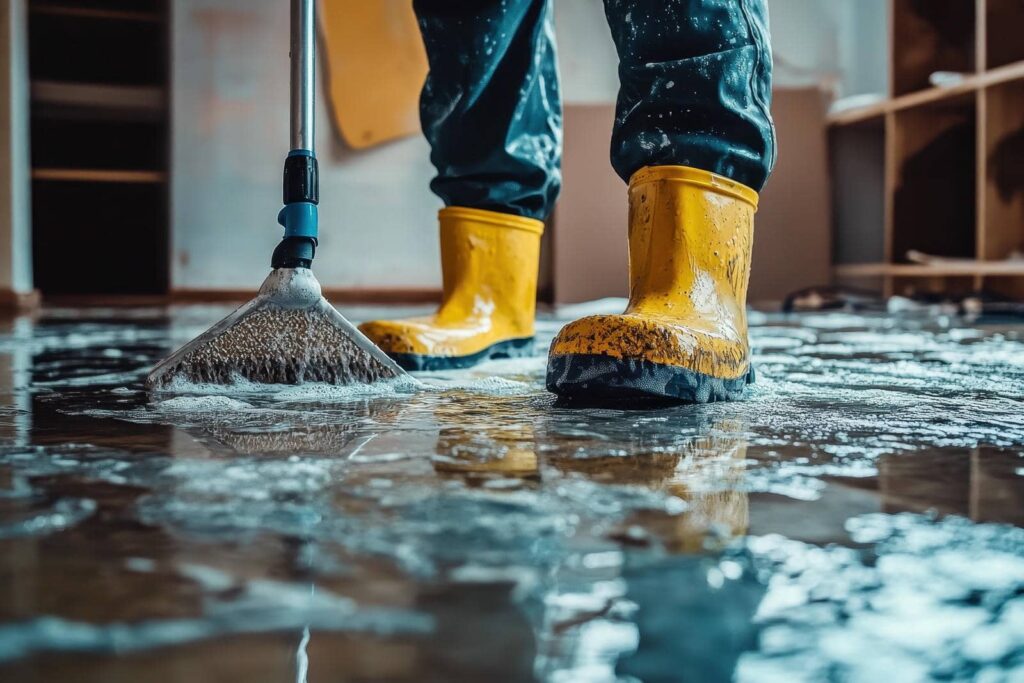
- Quickly remove standing water using wet/dry vacuums or pumps to minimize damage and prevent mold growth.
- Thoroughly dry and dehumidify the space with fans, dehumidifiers, and open windows for improved airflow.
- Assess and document damages to the structure, including photos, to support insurance claims for restoration assistance.
- Prioritize repairs using durable, water-resistant materials and seek professional help for extensive damage assessments.
Assess the Extent of Flood Damage
How do you determine the true impact of flood damage on your property? Start with a thorough flood damage assessment.
Examine your home’s structure, focusing on walls, floors, and ceilings. Look for water stains, mold, or warping—these are indicators of moisture infiltration. Don’t forget to check your electrical systems and plumbing, as water can compromise safety.
Next, conduct a property evaluation by documenting all affected areas.
Take detailed photos and notes to support any insurance claims. This is essential for ensuring you receive the help you need to restore your home.
Ensure Safety Before Entering the Affected Area
Before stepping into your home after a flood, prioritize your safety. Wear personal protective gear, including gloves, boots, and masks, to shield yourself from contaminants and debris. Floodwaters can carry harmful substances, so it’s essential to protect your skin and respiratory system.
Next, check for electrical hazards. Turn off the power at the main breaker before entering. Standing water can electrify your home’s wiring, posing serious risks. If you notice any sparks or hear buzzing sounds, retreat immediately and call a professional.
Lastly, assess the structural integrity of your home from a safe distance before going inside. Look for sagging roofs or shifting walls that could collapse.
Remove Standing Water Promptly
Once it’s safe to enter, act quickly to remove standing water from your home. This is essential for minimizing damage and preventing mold growth.
Start with water extraction using a wet/dry vacuum or specialized pump systems. If the water level is high, consider renting a submersible pump for efficient removal.
Make certain you’re wearing protective gear like rubber boots and gloves to stay safe.
If you’re unsure about handling the equipment, don’t hesitate to call professionals who are experienced in flood damage restoration. They can help ensure that the water is extracted thoroughly and safely.
Dry and Dehumidify the Space
As you work to restore your home, drying and dehumidifying the space is essential to prevent further damage.
Begin by employing effective ventilation techniques. Open windows and doors to create airflow, allowing moisture to escape. Use fans and dehumidifiers to enhance this process and keep humidity levels low.
- Check and repair any leaks to avoid added moisture.
- Monitor humidity with a hygrometer to ensure effective moisture control.
- Remove wet carpets and furniture to speed up drying.
Restore and Repair Damaged Structures
Assess the damage to your home’s structures promptly to determine what needs repair or replacement. Start with the foundation, walls, and roof, as their structural integrity is essential for safety. Identify any weakened areas that could compromise your home’s stability.
Next, prioritize repairs based on severity and safety. For materials, choose options that are durable and water-resistant, ensuring they can withstand future moisture exposure. This careful material selection is important for long-term resilience.
If you’re unsure about the extent of the damage, consulting a professional can provide peace of mind and expert guidance.
Remember, you’re not alone in this process; seek support from friends or community resources to help you navigate repairs. Restoring your home isn’t just about fixing damage; it’s about rebuilding a safe, welcoming space for you and your loved ones.
Take it step by step, and you’ll reclaim your home’s comfort and security.
Frequently Asked Questions
Can Homeowners File Insurance Claims for Flood Damage Restoration?
Yes, you can file claims for flood damage restoration if you have flood insurance. Start the claim process by documenting the damage, contacting your insurer, and providing the necessary information to ensure a smooth, efficient experience.
How Long Does the Flood Restoration Process Typically Take?
How long do you think you’ll wait for your home to feel normal again? The restoration timeline for flood damage can vary, but typically, it takes a few days to weeks, depending on the severity.
What Types of Mold Can Grow After a Flood?
After a flood, you might encounter mold types like black mold, Aspergillus, and Penicillium. To prevent mold growth, ensure proper ventilation, dry affected areas quickly, and use dehumidifiers to maintain low humidity.
Should I Hire Professionals or Attempt Restoration Myself?
You wouldn’t tackle a dragon alone, right? For flood restoration, consider DIY if you’re handy, but hiring professional services ensures thoroughness and safety. Remember, your home deserves expert care, especially after such damage.
Are There Any Health Risks Associated With Floodwaters?
Yes, floodwater often contains contaminants that can pose serious health risks. You might experience gastrointestinal issues, skin irritation, or respiratory problems. It’s vital to protect yourself and avoid contact with floodwaters whenever possible.
Wrap-Up
In the aftermath of a flood, acting quickly and safely can make all the difference. By evaluating the damage first, ensuring your safety, removing standing water, and thoroughly drying the space, you can greatly reduce long-term issues like mold growth. Don’t hesitate to seek professional help for repairs. Remember, a proactive approach restores your home and gives you peace of mind. Stay vigilant and prepared for any future emergencies.
Recent Posts
Top Tips to Prevent Future Water Damage
Water damage can lead to costly repairs and headaches if you’re not proactive. By regularly
How to Prevent Future Water Damage Today
Water damage emergencies occur across the U.S. every day, underscoring the importance of taking proactive
3 Best Practices for Home Flood Prevention
Home flooding can cause significant damage and stress, but you can take proactive steps to