
Contents
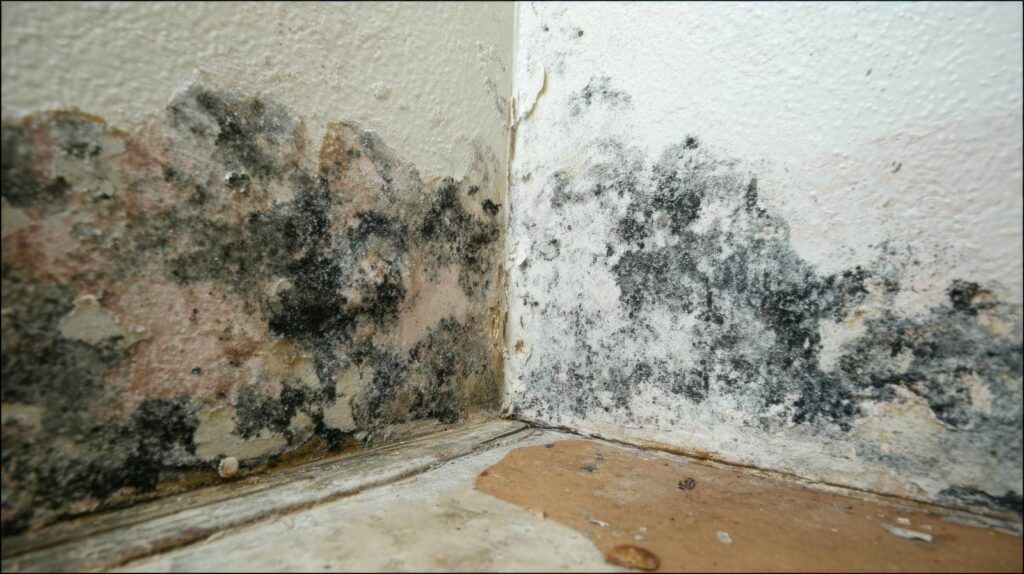
Did you know that mold can start growing within 24 to 48 hours after water exposure? It’s vital to act fast in an emergency mold cleanup situation to minimize health risks and property damage. You’ll need to know how to identify moisture sources and choose effective cleaning solutions. Understanding these steps can make all the difference in your cleanup efforts. Let’s explore the essential tips you need to tackle mold effectively.
Key Takeaways
- Identify Moisture Sources: Quickly locate damp areas, using moisture meters to assess the extent of the problem and find leaks.
- Wear Protective Gear: Use gloves, goggles, and masks to protect yourself from mold spores during the cleanup process.
- Contain the Area: Seal off affected spaces with plastic sheeting and use fans to direct airflow outside, preventing spore spread.
- Use Effective Cleaners: For minor mold, clean with water and detergent; for extensive growth, opt for commercial mold removers like bleach.
- Dispose of Contaminated Items: Seal affected materials in plastic bags for safe disposal according to local regulations to contain spores.
Identify the Source of Moisture Quickly
To effectively address mold growth, you need to identify the source of moisture quickly. Common moisture sources include leaks from pipes, roofs, or even high humidity levels.
Start by visually inspecting areas prone to dampness, such as basements and bathrooms. Use detection methods like moisture meters to quantify dampness and pinpoint trouble spots.
Look for discoloration on walls or ceilings, which can indicate hidden leaks. Don’t forget to check around windows and doors for signs of condensation.
Once you locate the moisture source, you can take steps to eliminate it, preventing further mold growth. Acting fast not only preserves your space but also fosters a healthier environment for you and those you care about.
Wear Protective Gear for Safety
While tackling mold cleanup, wearing protective gear is essential for your safety. Start with protective clothing to shield your skin from contact with mold spores, which can pose serious health risks.
Safety goggles are also important; they protect your eyes from irritation and potential contamination. Don’t forget to wear respirator masks, as they filter out harmful mold spores in the air, reducing inhalation risks.
Make sure your skin protection extends to gloves, which prevent mold exposure while you work. Each piece of gear plays a significant role in minimizing contamination risks as you navigate through the affected area.
Prioritizing your safety not only helps you perform the cleanup effectively but also fosters a sense of belonging in a community that values health and well-being.
Contain the Mold: Seal Off Affected Areas
As you begin the mold cleanup process, it’s crucial to contain the affected areas to prevent spores from spreading throughout your home.
Start by using mold containment techniques like sealing off doorways and vents with plastic sheeting. This creates a barrier, minimizing airflow and limiting contamination.
Use high-quality tape to secure the edges of the plastic, ensuring a tight seal. Consider employing negative air pressure by using a fan, directing airflow out of the contaminated area.
Close windows and doors to further isolate the space.
Remember, effective sealing methods not only protect your living environment but also create a safer workspace for you during the cleanup.
Taking these steps helps maintain a sense of belonging in your home.
Select the Right Cleaning Solutions for Mold Cleanup
How can you guarantee effective mold cleanup? Start by selecting the right cleaning solutions tailored to the severity of the mold infestation.
For minor cases, consider using a mixture of water and detergent or white vinegar. However, for more extensive growth, you’ll need stronger cleaning product recommendations, like commercial mold removers containing bleach or hydrogen peroxide.
Always follow the manufacturer’s instructions to ensure safety and effectiveness. Incorporate mold prevention strategies, such as treating surfaces with antimicrobial solutions post-cleanup to inhibit future growth.
Dry Out the Area Thoroughly
After selecting the right cleaning solutions for mold removal, the next step is to thoroughly dry out the affected area.
Effective ventilation techniques are essential in this phase. Open windows and doors to promote air circulation, which helps reduce moisture levels. Use fans to direct airflow and accelerate the drying process.
Additionally, invest in drying equipment like dehumidifiers to extract excess humidity from the air. Monitor humidity levels with a hygrometer to guarantee they drop below 60%.
Remember, mold thrives in damp environments, so it’s critical to act quickly and efficiently.
How to Safely Discard Contaminated Materials
When discarding contaminated materials, it’s essential to wear protective gear to prevent exposure to mold spores.
Seal all contaminated items in plastic bags to contain the spores and minimize cross-contamination.
Finally, dispose of these materials responsibly, following local regulations to guarantee safe disposal.
Wear Protective Gear
Wearing protective gear is essential for safely discarding contaminated materials during mold cleanup. Different mold types can release spores that may cause respiratory issues, skin irritation, or other health effects.
Start with a mask rated for mold protection to prevent inhalation of spores while you work. Use gloves to protect your hands from direct contact with contaminated items, and wear goggles to shield your eyes from irritants. Long-sleeved clothing can also help minimize skin exposure.
After you’ve removed the contaminated materials, dispose of them in sealed plastic bags. Remember, protecting yourself is vital not only for your health but also for creating a safe environment for those around you.
Prioritizing safety fosters a community of care in mold remediation efforts.
Seal Contaminated Items
Properly sealing contaminated items is essential for effective mold cleanup. Start by using heavy-duty plastic bags or containers to guarantee that mold spores don’t escape into the air.
Employ mold containment strategies, like double-bagging items, to further minimize risk. Make sure to label each bag clearly, indicating that it contains contaminated materials.
Use sealing techniques such as duct tape to secure the bags tightly, preventing any leaks. If you’re dealing with larger items, wrap them in plastic sheeting and seal all edges.
This minimizes exposure and protects others in your space. By following these steps, you create a safer environment for yourself and those around you, making mold cleanup a smoother process.
Dispose Responsibly
Disposing of contaminated materials is essential for preventing further mold spread.
Start by identifying items that can’t be cleaned, such as carpets, drywall, or furniture. Seal these items in heavy-duty plastic bags to contain spores.
When you’re ready to discard them, check local regulations for hazardous waste disposal. Many areas have specific guidelines for eco-friendly disposal, which minimizes environmental impact. Some materials may need to be taken to designated facilities.
Always wear protective gear when handling contaminated items to avoid exposure.
By following these steps, you not only safeguard your health but also contribute to your community’s well-being.
How to Monitor for Future Mold Growth?
To prevent future mold growth, you’ll need to regularly check humidity levels in your home, ideally keeping them below 60%.
Don’t overlook hidden areas like behind appliances and inside walls, as these spots can harbor moisture and promote mold.
Additionally, consider using mold detectors to catch potential issues early before they escalate.
Regular Humidity Checks
Use a hygrometer to track these levels regularly. If humidity exceeds this range, consider implementing moisture barriers, such as vapor barriers in crawl spaces and basements, to reduce excess moisture.
Ventilation is key, so confirm areas like bathrooms and kitchens are well-ventilated. Additionally, using dehumidifiers during humid seasons can greatly help maintain ideal humidity levels.
Staying proactive with these checks not only protects your home but fosters a healthier living environment for you and your family. Regular attention to humidity can make all the difference in mold prevention.
Inspect Hidden Areas
While you might think your home is mold-free, hidden areas can harbor moisture and create conditions ripe for future growth.
Regular inspections are key to identifying hidden mold before it becomes a problem. Here are some effective inspection techniques to help you stay ahead:
- Check behind appliances like refrigerators and washing machines.
- Inspect under sinks and inside cabinets for leaks and dampness.
- Look in attics and basements, especially near vents and pipes.
- Monitor any areas with high humidity, such as bathrooms.
Use Mold Detectors
Mold detectors are essential tools for monitoring potential mold growth in your home. By employing various mold detection methods, you can proactively identify moisture levels and prevent infestations.
Electronic sensors are particularly effective, as they continuously measure humidity and temperature, key factors that promote mold development.
Install these sensors in areas prone to dampness, like basements and bathrooms, to receive real-time alerts about conditions that favor mold growth.
When the sensors indicate elevated moisture levels, you can take immediate action, such as increasing ventilation or using dehumidifiers.
This proactive approach not only safeguards your health but also fosters a sense of community responsibility, ensuring your living space is safe and welcoming for everyone.
Frequently Asked Questions
How Long Does It Take for Mold to Grow?
Mold growth can start within 24 to 48 hours under the right conditions. To prevent this, you should maintain humidity control below 60%, ensuring your space remains inhospitable for mold development. Stay proactive to protect your environment.
Can I Use Bleach to Clean Mold?
You can use bleach to clean mold, but it’s not always effective on porous surfaces. Consider mold alternatives like vinegar or hydrogen peroxide, which can penetrate better and reduce the risk of spores returning.
What Are the Health Risks of Mold Exposure?
Mold exposure isn’t exactly a spa day; it can trigger respiratory issues and various mold symptoms. You might find yourself coughing, sneezing, or feeling fatigued. Prioritize your health and address mold problems immediately.
When Should I Call a Professional for Mold Removal?
You should call a professional for mold removal if you notice extensive growth, experience health issues, or require mold inspection and testing. They’ll guarantee thorough remediation and help prevent future problems effectively and safely.
How Can I Prevent Mold in My Home?
To prevent mold in your home, balance ventilation systems with humidity control. Guarantee air flows freely while maintaining low moisture levels. Regularly check for leaks and clean surfaces to create a welcoming, healthy environment.
Review
In an emergency mold cleanup, taking swift and informed action can save you a world of trouble down the line. By focusing on moisture control, using proper protective gear, and sealing off affected areas, you’re tackling the problem head-on. Remember, an ounce of prevention is worth a pound of cure. Regularly check humidity levels and keep an eye on potential problem spots to guarantee mold doesn’t return. Stay proactive, and you’ll keep your space mold-free.
Recent Posts
Emergency Flood Cleanup for Water Damage Response
If you lose power just as water starts rising, you have a flood response problem
7 Emergency Flood Cleanup Tips
You might not realize that floodwater can hide electrical hazards and structural damage even after
Why Mold Remediation Follows Flood Cleanup
Could it be true that flood cleanup alone leaves a hidden mold problem behind? You