
Contents
When faced with black mold after sewage damage, it’s vital to act swiftly and methodically. Start by evaluating the extent of the damage to determine what materials need removal. Next, make sure you follow proper cleanup and disinfection techniques to eliminate any health risks. Finally, take steps to prevent future mold growth. Understanding these strategies is fundamental for effective remediation, and knowing how to execute them can make all the difference.
Key Takeaways
- Assess the extent of mold growth by inspecting affected areas and using moisture readings to identify hidden moisture sources.
- Wear protective gear, including gloves and masks, while removing contaminated materials to prevent exposure to harmful spores.
- Clean surfaces thoroughly with a disinfecting solution, ensuring to allow it to sit for at least 10 minutes before rinsing.
- Control humidity levels below 60% through dehumidifiers and regular inspection of potential leaks to prevent future mold growth.
- Improve ventilation by installing exhaust fans and keeping windows open to promote airflow and reduce moisture accumulation.
Assessing the Extent of Damage
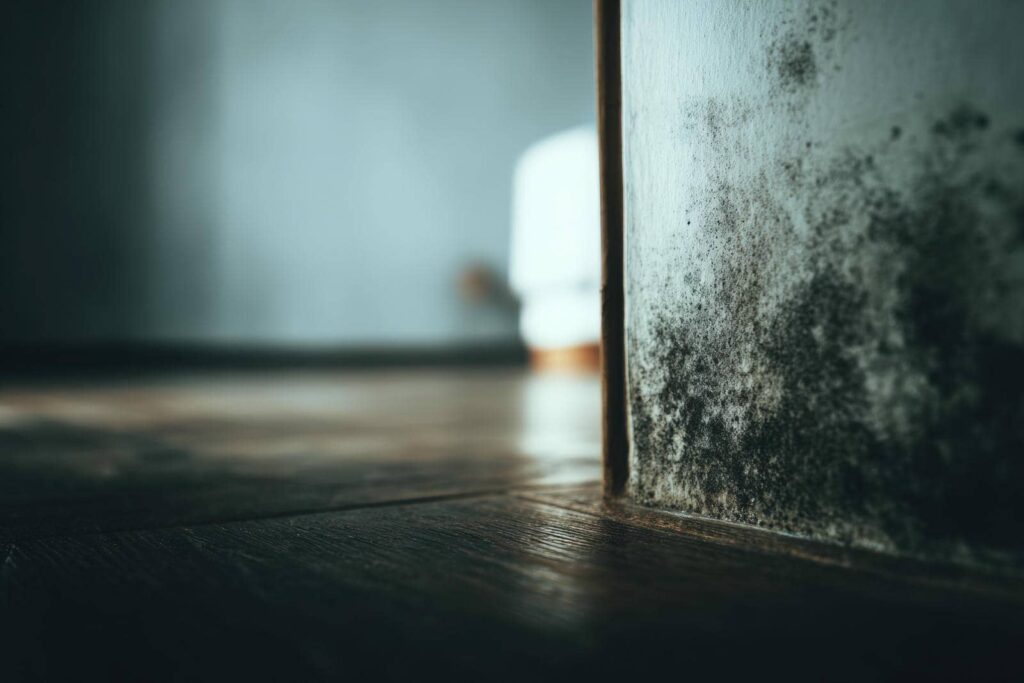
Before you begin remediation, it’s crucial to assess the extent of the damage caused by black mold. Start with mold identification techniques, such as visual inspections and moisture readings. Look for discoloration, a musty odor, or moisture-damaged materials, as these indicators can reveal the presence of mold.
Use a moisture meter to measure humidity levels in affected areas, ensuring you pinpoint hidden sources of moisture that could foster mold growth.
Once you identify the mold, employ damage evaluation methods to determine how far the infestation has spread. Check behind walls, under flooring, and in ventilation systems, as mold can thrive in concealed spaces.
Document your findings with photographs and measurements. This thorough assessment helps you understand the severity of the problem and guides your remediation efforts, ensuring you address all affected areas effectively and safely.
Proper Cleanup and Disinfection Techniques
After evaluating the extent of mold damage, the next step involves proper cleanup and disinfection techniques to eliminate black mold effectively.
Begin by wearing protective gear, including gloves and masks, to prevent inhaling mold spores. Remove any contaminated materials, such as drywall or carpeting, and seal them in plastic bags to avoid spreading spores.
For surfaces, use a mixture of water and detergent to scrub away visible mold, followed by a disinfection method, such as a solution of one cup of bleach to one gallon of water.
Verify the area is well-ventilated while applying this solution, allowing it to sit for at least 10 minutes before rinsing.
Finally, dry the area thoroughly to prevent future mold growth.
Preventing Future Mold Growth
To effectively prevent future mold growth, you must control moisture levels in your home. Start by ensuring proper humidity control; keep indoor humidity below 60% using dehumidifiers and air conditioners.
Regularly check for leaks in pipes, roofs, and windows, as even minor moisture can encourage mold proliferation.
Consider using mold-resistant materials, especially in areas prone to moisture, like bathrooms and kitchens. These materials can greatly reduce the likelihood of mold establishing itself.
When renovating or building, opt for mold-resistant paints and drywall to create a protective barrier against moisture.
Additionally, ensure proper ventilation in your home. Install exhaust fans in high-moisture areas and open windows when possible to allow air circulation.
Frequently Asked Questions
How Can I Identify Black Mold Versus Other Types of Mold?
To identify black mold versus other types, use mold identification techniques like observing color, texture, and growth patterns. Common mold types include green, white, and yellow molds, which differ markedly from the characteristic dark appearance of black mold.
What Personal Protective Equipment Is Necessary During Remediation?
You need essential protective gear like N95 respirators, gloves, goggles, and full-body suits during remediation. These safety measures shield you from harmful spores, ensuring a secure environment while effectively tackling the mold contamination.
Are There Any Health Risks From Black Mold Exposure?
Exposing yourself to black mold can lead to various health symptoms, like respiratory issues and skin irritation. Long-term effects may include chronic illness, so it’s essential to address it before it spirals out of control.
How Long Does It Take for Black Mold to Grow?
Black mold growth can begin within 24 to 48 hours under ideal conditions. To prevent it, maintain low humidity, fix leaks, and ensure proper ventilation. Implementing these mold prevention tips is essential for a healthy environment.
Can I Tackle Black Mold Remediation Myself, or Should I Hire a Professional?
You can tackle black mold remediation yourself with DIY methods, but hiring professional services is often safer and more effective. Professionals ensure thorough removal and prevent future growth, providing peace of mind for your environment.
Conclusion
Tackling black mold after sewage damage demands immediate and thorough action. By evaluating the extent of the damage, employing proper cleanup techniques, and taking steps to prevent future growth, you can reclaim your space from this pervasive threat. Remember, mold can spread faster than a wildfire, so don’t delay. Prioritizing safety and cleanliness protects your health and restores peace of mind in your home. Stay vigilant, and mold won’t stand a chance!
Recent Posts
Steps to Take After a Sewage Backup
After a sewage backup, you need to act fast: stop using the affected plumbing, keep
Why Timely Sewage Cleanup Is Crucial for Homes
When sewage backs up in your home, you can’t afford to wait. The longer contaminated
Why Follow Best Practices for Sewage Cleanup?
Sewage Cleanup involves much more than removing a mess; you’re dealing with pathogens, contaminants, and