
Contents
After flooding, you need to act quickly because mold can begin growing within 24 to 48 hours when materials remain damp. Mold Remediation starts with identifying moisture sources, drying affected areas, and inspecting walls, flooring, and insulation for hidden dampness. Left untreated, excess moisture can contribute to structural damage and indoor air quality problems. Visible mold is not always the full picture, so a thorough assessment helps uncover hidden growth and determine the appropriate cleanup before the damage becomes more costly.
Key Takeaways
- Mold can begin growing within 24 to 48 hours after flooding, making fast remediation essential.
- It protects health by reducing exposure that can trigger allergies, asthma, and respiratory irritation.
- It prevents hidden mold from spreading in drywall, carpet, and other porous materials.
- Professional remediation removes contaminated materials and uses containment to stop spore spread.
- Quick drying and cleanup limit structural damage, odors, and long-term indoor air quality problems.
Why Mold Spreads Fast After Flooding
After flooding, mold spreads quickly because excess moisture creates ideal growth conditions within 24 to 48 hours. You face rapid mold growth when porous materials, like drywall and carpet, retain water and feed spores.
Warm temperatures, trapped humidity, and limited airflow accelerate colonization, so every hour matters. You can slow expansion by prioritizing moisture control: remove standing water, dry materials thoroughly, and reduce indoor humidity.
If you belong to a community recovering from flooding, you know shared spaces need fast action to stay safe and usable. Mold releases enzymes that break down building surfaces, allowing colonies to spread through hidden cavities and seams.
That’s why you should treat dampness as an urgent structural issue, not a minor inconvenience.
Signs You Need Flood Mold Remediation Now
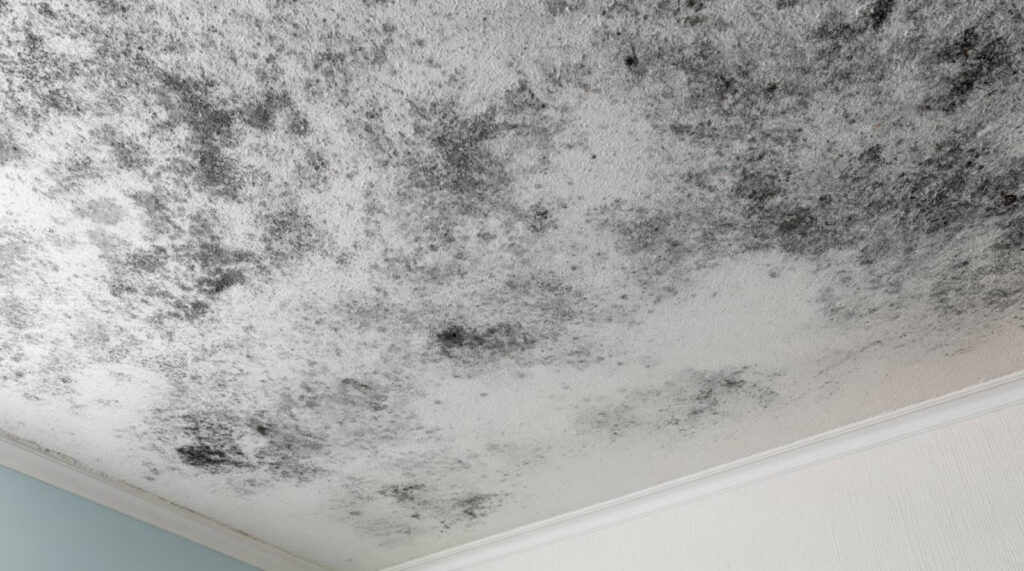
If you notice a musty odor, visible discoloration on walls or ceilings, or soft, swollen drywall, you likely need flood mold remediation now.
You should also check for peeling paint, warped baseboards, and staining around vents or behind furniture after flood damage.
During mold identification, look for fuzzy growth, dark spotting, or patches that return after cleaning.
If materials stay damp for more than 24 to 48 hours, hidden colonies can form inside cavities, insulation, and subfloors.
You may also see condensation on cold surfaces, rusted fasteners, or bubbling flooring, which signal trapped moisture.
Act quickly, document affected areas, and contact a qualified remediation team so your home can return to a safe, stable condition.
Health Risks of Flood-Related Mold
Once mold starts growing after flooding, it can affect your health as well as your property. You may notice mold health effects within hours or days, especially if you spend time in damp rooms.
Spores and fragments can irritate your eyes, nose, throat, and skin, and they often trigger coughing, wheezing, and congestion. If you already have asthma or allergies, your risk of respiratory complications goes up, and symptoms can feel more intense.
Even if you’re healthy, prolonged exposure can strain your airways and reduce comfort at home. You deserve a safe space where you can breathe easily and feel secure, so removing mold quickly helps protect your well-being and supports the people you live with.
When to Call for Emergency Water Cleanup?
You should call for emergency water cleanup as soon as flooding leaves standing water, soaked drywall, saturated insulation, or water intrusion near electrical systems.
Quick action limits structural damage and lowers contamination risk. If water keeps spreading, if floors feel soft, or if you smell dampness within hours, you need an emergency response.
Crews can start water extraction before moisture wicks into framing, baseboards, and subfloors. Don’t wait for visible mold, since spores can grow quickly in hidden cavities.
You’re not overreacting by asking for help; you’re protecting your home and the people who belong in it. If the water came from sewage, storm runoff, or a broken supply line, call right away.
The sooner you act, the more you contain damage and cleanup costs.
What Professional Mold Remediation Does
Professional mold remediation removes the moisture-damaged materials and contaminated growth at the source, so you don’t just treat surface staining.
You’ll also see safe containment practices used to isolate affected areas, limit spore spread, and protect adjacent spaces during work.
This approach targets both removal and control, which are necessary for effective post-flood cleanup.
Mold Source Removal
After floodwater intrusion, remediation teams remove the mold source by locating and eliminating every damp, contaminated material that can support growth.
You’ll see them use source identification techniques to trace hidden moisture in drywall, insulation, subflooring, and framing, then confirm which items can’t be restored. They cut away saturated porous materials, extract trapped water, and clear debris that keeps spores fed.
This step matters because mold can’t keep expanding once its food and moisture are gone. You also gain a cleaner path for mold prevention strategies, since dry, sound materials resist re-growth far better than compromised ones.
Safe Containment Practices
Containment comes next, and it stops mold debris from spreading while crews work. You’ll see professionals seal affected areas with plastic barriers, zipper doors, and negative air pressure so spores stay where they started.
They choose containment methods based on room size, damage level, and airflow paths, then isolate HVAC returns to protect the rest of your home. They also run air filtration units with HEPA filters to capture airborne particles while demolition, cleaning, and drying continue.
You benefit from this controlled setup because it reduces cross-contamination and keeps your living spaces safer. When the team monitors pressure, seals penetrations, and checks filter performance, you’re part of a process built to protect your household and support a thorough, organized recovery.
Why Basement Cleanup Misses Mold
Basement cleanup often misses mold because moisture can remain trapped behind walls and within framing after surface water is removed.
You also have porous materials like drywall, insulation, and wood that can absorb contamination and keep supporting growth even when they look dry.
Standard cleanup can’t capture all airborne spores, so untreated particles can spread and recontaminate the area.
Hidden Wall Moisture
Even when you clean visible flood damage, mold can still persist inside wall cavities where moisture stays trapped behind drywall, insulation, and framing.
You need wall inspections to locate hidden moisture before it spreads. Moisture meters, thermal imaging, and controlled probe openings help you verify whether the cavity has dried fully. If readings stay elevated, you should keep dehumidification and ventilation running until materials return to safe levels.
When you skip this step, you risk leaving damp zones that support ongoing microbial growth and odors. You’ll protect your home faster when you treat the walls as part of the cleanup, not just the surface.
That approach helps you restore a healthier indoor environment and gives your household a safer place to recover after flooding.
Porous Material Contamination
Porous materials often hold floodwater long after the visible cleanup ends, which is why mold in a basement can persist in carpet pad, drywall, insulation, wood framing, and cardboard.
You can’t rely on surface washing alone because porous surfaces absorb water into tiny voids that trap nutrients and moisture. That creates contamination risks even when the room looks dry.
If you leave affected materials in place, mold can keep growing inside them and weaken structural components over time.
You need to remove and discard saturated porous materials that can’t be fully dried or cleaned.
Missed Airborne Spores
Cleanup often misses mold because airborne spores settle outside the obvious wet zone and keep circulating through the space.
You may scrub visible surfaces, yet spores remain on joists, ductwork, wall cavities, and stored items, then reenter the air when you walk, sweep, or run fans.
In a basement, poor ventilation and humidity let these particles persist in indoor air, so the space can still trigger odors, irritation, and regrowth after cleanup.
You need source control, HEPA vacuuming, damp wiping, and containment to lower spread.
If you belong to the group restoring your home, treat the entire air pathway, not just wet drywall.
That approach protects your family, reduces recurrence, and gives you a cleaner, safer result after flooding.
Mold Risks After Sewage Flooding
When sewage enters a building, it can rapidly create conditions that support mold growth because it leaves behind moisture, organic debris, and contaminants that feed microbial activity.
You’re dealing with sewage contamination that accelerates colonization on drywall, insulation, and flooring. Mold can begin within 24 to 48 hours, and the resulting health hazards include irritation, asthma flare-ups, and infection risk for vulnerable people.
You should recognize three primary risks:
- Porous materials trap waste and spores.
- Hidden cavities retain dampness and spread odor.
- Mixed contaminants increase indoor exposure.
If you’ve experienced this event, you’re not alone; many owners face the same threat.
Fast assessment matters because sewage creates a biologically loaded environment where mold doesn’t just appear—it thrives.
How to Prevent Mold After Water Damage
To prevent mold after water damage, you need to dry the affected area quickly, remove contaminated materials, and control indoor humidity before spores can colonize damp surfaces.
You should start extraction within 24 to 48 hours, open windows if weather allows, and run dehumidifiers and fans to maintain airflow.
Remove soaked drywall, insulation, carpet, and padding that can’t be fully dried. Clean hard surfaces with detergent and water, then disinfect when appropriate.
Inspect hidden cavities, baseboards, and HVAC components for residual moisture.
These mold prevention tips also include monitoring humidity below 60% and fixing leaks fast.
Follow water damage precautions by wearing gloves, sealing waste, and documenting damage.
When you act promptly, you protect your home and help your household stay safe.
Review
If you ignore flooding, mold can race through your home like a wildfire, turning damp walls, floors, and hidden cavities into a serious problem in just 24 to 48 hours. You need fast cleanup, proper drying, and professional remediation to stop contamination before it spreads. Acting quickly protects your health, preserves your structure, and keeps sewage, moisture, and hidden mold from becoming a full-blown disaster.
Recent Posts
What Do Sewage Spill Cleanup Experts Do?
When a sewage spill hits, your basement can feel like a locked chamber of contamination.
How to Handle Sewage Spills Safely
Most sewage spills aren’t just messy; they can expose you to pathogens and corrosive gases
What Is Biohazard Waste Removal Service?
When you find a blood-soaked carpet after an accident, it’s like seeing a warning light