
Contents
When faced with a little unexpected wetness, it’s essential to act promptly to avoid further water damage cleanup complications. You need to prioritize safety and ensure that the affected area is secure. Knowing the right steps to take can make all the difference in minimizing damage and restoring your space. So, what’s the best way to approach the cleanup process? Let’s explore the five essential tips that can guide you through this challenging situation.
Key Takeaways
- Act quickly to remove standing water using pumps or wet vacuums to prevent further property damage.
- Ensure safety by wearing PPE and confirming electrical safety before entering affected areas.
- Conduct a thorough damage assessment and document with photos for insurance purposes.
- Dry out affected areas using dehumidifiers and fans to enhance air circulation and speed up the drying process.
- Establish routine maintenance checks to identify and address potential water damage issues before they escalate.
Act Quickly to Minimize Damage
When water damage strikes, acting quickly is essential to minimizing its impact on your property. Start with water removal, as swift action can prevent further deterioration. Use pumps and wet vacuums to eliminate standing water, ensuring the area is as dry as possible.
Following this, conduct a thorough damage assessment. Look for structural damage, mold growth, and affected belongings. Identify what can be salvaged and what needs replacing.
Document the damage with photos; this can be invaluable for insurance claims. Time is of the essence, as lingering moisture can lead to more serious issues down the line.
You’re not alone in this process; seek out professionals who specialize in water damage cleanup. Their expertise can guide you through restoration effectively, allowing you to reclaim your space.
Ensure Safety First
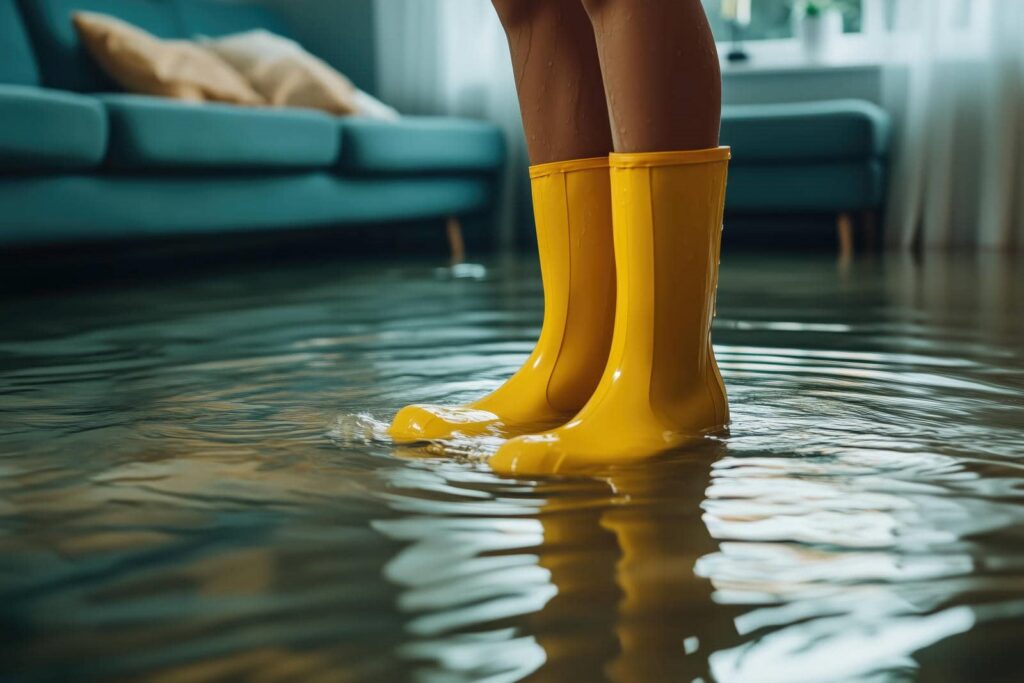
Before diving into water damage cleanup, it’s crucial to prioritize your safety. Start by wearing personal protective equipment (PPE), including gloves, goggles, and waterproof boots. This gear protects you from contaminants and potential hazards lurking in the water.
Next, confirm electrical safety. Turn off the power to affected areas before entering. Water and electricity don’t mix, and even a small amount of moisture can create dangerous conditions. Use a multimeter to verify that the power is off, and never enter standing water if you suspect electrical hazards.
Also, be cautious of slip hazards while moving through wet areas. Take your time and navigate carefully to avoid falls.
Remove Standing Water Efficiently
Act quickly to remove standing water, as lingering moisture can lead to further damage and mold growth. Start by using a submersible pump for effective water extraction. Familiarize yourself with the pump operation to ensure you’re maximizing its efficiency. If you’re dealing with a small amount of water, wet vacuums can be an excellent alternative.
Before you begin, make sure to wear protective gear to keep yourself safe. Clear the area of any debris that could hinder the water removal process. As you extract the water, keep an eye on the surrounding materials, as they may absorb moisture.
Once you’ve removed the majority of standing water, check for hidden pockets in corners or under furniture. Efficient water removal accelerates the cleanup process and helps prevent long-term issues.
Dry Out Affected Areas Thoroughly
To effectively dry out affected areas, you’ll need to employ a combination of techniques to ensure all moisture is eliminated.
Start by using dehumidifiers to draw out moisture from the air, targeting areas that are particularly damp. Fans can considerably enhance air circulation, helping to speed up the drying process. Position them strategically to maximize airflow across wet surfaces.
Don’t overlook smaller spaces; moisture can linger in closets or behind appliances. Open windows and doors to promote fresh air circulation, but be mindful of outdoor humidity levels.
Inspect materials like carpets and drywall; if they remain wet, consider professional drying techniques or replacement for ideal moisture control.
Finally, monitor the humidity levels with a hygrometer to confirm you’re achieving the right balance.
These actions will help you dry out affected areas and create a healthier living environment for you and your loved ones.
Prevent Future Water Damage Issues
Even after thoroughly drying out affected areas, it’s important to take proactive measures to prevent future water damage issues.
Start by establishing a routine for preventive maintenance. Regular inspections of your plumbing, roof, and gutters can help you spot potential problems before they escalate. Look for leaks, cracks, or signs of mold, and address these issues immediately.
Consider investing in a sump pump or a dehumidifier if your area is prone to flooding or humidity. Verify your home’s drainage system is functioning properly to divert water away from your foundation.
Additionally, be mindful of landscaping; keep plants and soil away from your home’s exterior walls.
Finally, educate your family about the importance of reporting any water-related concerns. By fostering a culture of awareness and responsibility, you’ll create a safer environment and greatly reduce the risk of future water damage.
Frequently Asked Questions
What Insurance Coverage Is Needed for Water Damage Cleanup?
You’ll need extensive homeowners insurance that covers water damage and specific flood insurance policies if you’re in a flood-prone area. Review your coverage details to ensure you’re fully protected against potential water damage expenses.
How Do I Identify Hidden Water Damage in My Home?
To identify hidden water damage, look for water stains on walls and ceilings, and sniff for damp smells in rooms. Check behind appliances and under sinks, as these areas often hide moisture-related issues needing attention.
Can I Use Household Fans to Dry Out Water Damage?
Fans can effectively aid in fast drying. For ideal fan placement, direct airflow towards damp areas. Combine this with drying techniques like dehumidifiers to expedite the drying process and prevent mold growth.
What Should I Do if Mold Starts to Develop?
If mold starts to develop, act quickly. You should implement mold prevention strategies and use effective remediation techniques. Clean affected areas thoroughly, control humidity, and ensure proper ventilation to stop further growth and protect your space.
Are There Professional Services Available for 24-Hour Water Damage Cleanup?
Yes, there are professional services available for 24-hour water damage cleanup. They provide emergency response teams equipped with advanced cleanup techniques, ensuring your property is restored quickly and efficiently, giving you peace of mind during stressful situations.
Wrap-Up
In the face of water damage, time is of the essence. By acting quickly and following these essential tips, you can minimize damage and protect your property. Remember, safety should always come first. With the right tools and a proactive approach, you’ll have your space dried out and back to normal in no time. Don’t let water woes rain on your parade; take charge now to prevent future issues and keep your home safe and sound.
Recent Posts
How to Remove Biohazard Spills Safely
A dark red spill on the floor can turn a routine space into a controlled
How to Cleanup a Flooded Lower Level
When your lower level floods, Flooded Lower Level cleanup needs to happen quickly and in
Sewage Spill Cleanup Services for Flooded Spaces
After a basement sewage backup in your laundry room, you need to act fast to