Contents
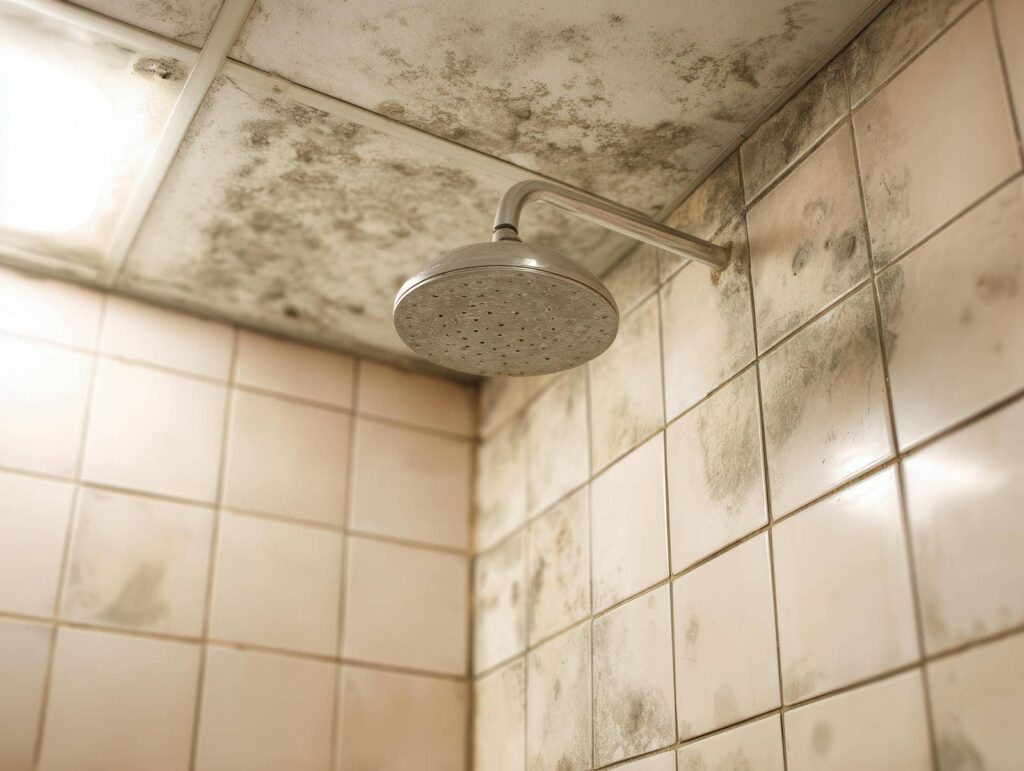
When faced with sewage cleanup and mold remediation, it’s essential to act quickly and methodically. You need to assess the damage, wear appropriate protective gear, and stop the source of contamination. Each step is critical to ensure safety and effectiveness. But what comes next? Understanding the best practices for removing contaminated materials and preventing future mold growth can make all the difference in your efforts.
Key Takeaways
- Wear appropriate protective gear, including gloves, goggles, and masks, to safeguard against harmful contaminants during sewage cleanup.
- Identify and stop the source of contamination, such as plumbing leaks, before beginning the cleanup process.
- Remove all contaminated materials like carpets and drywall, treating them as hazardous waste, and ensure proper disposal.
- Thoroughly clean and disinfect affected surfaces to eliminate pathogens and prevent mold growth after sewage removal.
- Use dehumidifiers and promote airflow to keep humidity levels below 60%, inhibiting mold development in cleaned areas.
Assess the Damage Immediately
When faced with a sewage spill, it’s crucial to assess the damage immediately. Start by identifying the affected areas and determining the extent of contamination. Look for visible sewage, water saturation, and any structural damage. Document your findings with photos and notes to ensure you have a clear record for insurance and remediation purposes.
Next, evaluate the materials impacted. Carpeting, drywall, and insulation often absorb sewage, demanding immediate removal to prevent further contamination and mold growth. Your immediate response should prioritize safety and efficiency, making sure you protect yourself and others from potential health hazards.
Finally, consider the potential need for professional assistance. Engaging trained specialists can ensure a thorough damage assessment and an effective remediation plan.
Wear Proper Protective Gear
When tackling sewage cleanup and mold remediation, wearing proper protective gear is vital for your safety.
Essential protective equipment includes gloves, masks, and goggles to shield you from harmful pathogens and chemicals.
Following safety protocols protects you and ensures effective remediation of the contaminated area.
Essential Protective Equipment
Protective gear is essential for anyone involved in sewage cleanup and mold remediation. You need to prioritize your safety by wearing appropriate equipment.
Start with durable protective gloves that resist punctures and chemical exposure, ensuring your hands stay safe from harmful contaminants. Next, equip yourself with safety goggles to shield your eyes from splashes and irritants.
Additionally, consider a mask or respirator to protect against airborne pathogens and mold spores. Wearing long-sleeved clothing and waterproof boots further enhances your protection from hazardous materials.
Remember, investing in quality protective gear isn’t just about compliance; it’s about safeguarding your health while you work alongside your team in these challenging situations.
Stay safe, and you’ll contribute effectively to the cleanup process.
Importance of Safety Protocols
Ensuring your safety during sewage cleanup and mold remediation is essential, especially since exposure to hazardous materials can lead to serious health risks.
Wearing proper protective gear, such as gloves, masks, and suits, is a fundamental part of your safety protocol. It’s crucial to undergo safety training before tackling any cleanup tasks; this equips you with knowledge about potential hazards and emergency response measures.
Remember, even a minor oversight can have significant consequences. By adhering to these safety protocols, you’re not only protecting yourself but also fostering a culture of safety within your team.
Prioritizing safety helps everyone feel secure and valued, creating a supportive environment where risks are minimized, and effective remediation can occur.
Stop the Source of Contamination
To effectively address sewage contamination, you must first identify and stop the source of the problem. Common sewage sources include broken pipes, overflowing toilets, and faulty sewage systems. By pinpointing these issues early, you can prevent further contamination types, such as biohazard exposure and mold growth.
Start by inspecting your plumbing for leaks or blockages. If you discover a broken pipe, it’s essential to shut off the water supply immediately. For overflowing toilets, avoid flushing until the blockage is cleared. Additionally, if you notice sewage backing up in your home, contact a professional plumber to assess the situation and provide a solution.
Once you’ve halted the source, you can focus on remediation efforts. Addressing the root cause is significant in protecting your home and health, ensuring a safe environment for you and your family.
Remove Contaminated Materials
Once you’ve identified the affected areas, it’s essential to remove all contaminated materials promptly.
This includes items like carpet, drywall, and insulation that can harbor harmful pathogens.
Make certain you follow proper disposal methods to prevent further contamination and health risks.
Identify Affected Areas
As you begin the sewage cleanup process, identifying affected areas is essential for effective remediation.
Start with thorough visual inspection techniques to pinpoint visible damage and contamination. Look for discoloration, stains, or warped materials that indicate water exposure.
Utilize moisture detection tools to assess hidden moisture levels in walls, floors, and other surfaces. This helps you uncover areas that may not be immediately visible but are at risk for mold growth.
Be systematic in your approach, documenting each affected area to ensure nothing is overlooked.
Proper Disposal Methods
Removing contaminated materials is essential in the sewage cleanup process to prevent health risks and mold proliferation.
Start by identifying and safely removing any affected items, such as carpets, drywall, and furniture. These materials often harbor pathogens and should be treated as hazardous waste. Always wear appropriate protective gear during this process.
After removal, make certain that contaminated materials are disposed of following local regulations. Some materials may be eligible for recycling wastewater processes, so check with local waste management services.
Proper disposal minimizes exposure to harmful substances and supports community health. Remember, you’re not just cleaning up; you’re protecting your environment and those around you.
Dispose of everything responsibly to maintain a safe living space.
Use Professional-Grade Equipment
Using professional-grade equipment is vital for effective sewage cleanup and mold remediation. Relying on advanced technology ensures you tackle these challenges efficiently and safely.
Here are three key professional tools you should consider:
High-capacity Wet/Dry Vacuums: These are essential for removing water and debris quickly, preventing further damage.
Air Scrubbers: They filter out airborne contaminants, helping to improve air quality and reduce mold spores.
Moisture Meters: These devices accurately measure moisture levels in materials, allowing you to identify hidden dampness that could lead to mold growth.
Investing in these professional tools speeds up the process and enhances your safety and effectiveness.
Using the right advanced technology makes a significant difference, ensuring you achieve thorough and lasting results in sewage cleanup and mold remediation.
Dry the Affected Area Thoroughly
After employing professional-grade equipment, the next step is to dry the affected area thoroughly. Effective drying is essential to prevent mold growth and ensure a safe environment.
Start by using a dehumidifier to remove excess moisture from the air. This device helps maintain ideal humidity levels, promoting faster drying.
Simultaneously, enhance airflow circulation by opening windows and using fans. Position fans strategically to create cross-ventilation, which accelerates the drying process.
Confirm all affected surfaces, including walls, floors, and furniture, are exposed to airflow for maximum effectiveness.
Monitor humidity levels regularly with a hygrometer to ensure they stay below 60%. If possible, keep the area well-ventilated for several days.
Implement Mold Prevention Strategies
Implementing effective mold prevention strategies is essential for maintaining a safe and healthy environment. By taking proactive measures, you can considerably reduce the risk of mold growth in your home.
Here are three key strategies to reflect upon:
Use Mold-Resistant Materials: When renovating or building, opt for mold-resistant drywall, paint, and insulation. These materials can help inhibit mold growth and protect your home.
Improve Ventilation Systems: Verify that your ventilation systems are functioning properly. This includes regular maintenance of HVAC systems and installing exhaust fans in areas prone to moisture, such as kitchens and bathrooms.
Control Humidity Levels: Keep indoor humidity below 60% by using dehumidifiers in damp areas. This will create an environment less conducive to mold development.
Frequently Asked Questions
How Do I Safely Dispose of Contaminated Materials?
To safely dispose of contaminated materials, seal them in heavy-duty plastic bags, label them clearly, and follow local regulations for hazardous waste disposal. Make certain you’re wearing protective gear during this process to safeguard your health.
What Common Mistakes Should I Avoid During Cleanup?
You’ll want to steer clear of rushing your cleanup. Proper timing ensures effectiveness. Also, don’t skimp on equipment selection; using the right tools makes a significant difference in achieving a thorough and safe environment.
How Can I Identify Hidden Mold in My Home?
To identify hidden mold, use detection methods like moisture meters, infrared cameras, and visual inspections in damp areas. Pay attention to musty odors or water stains, as these often signal mold growth behind walls or under floors.
Can I Handle Sewage Cleanup Without Professional Help?
You can handle sewage cleanup without professional help, but prioritize safety precautions. Use appropriate cleanup techniques, like wearing protective gear and sanitizing surfaces, to effectively manage the situation while minimizing health risks for yourself.
What Are the Long-Term Health Effects of Sewage Exposure?
Sewage exposure can lead to various health risks, including respiratory issues, skin irritations, and gastrointestinal problems. You might experience long-term effects like chronic illnesses or weakened immunity, so it’s essential to prioritize safety and seek assistance.
Final Thoughts
By following these essential tips for sewage cleanup and mold remediation, you can effectively restore your environment and protect your health. Remember, the key to preventing future mold growth lies in proper moisture control and timely action. Why risk your safety and well-being when you can take proactive steps now? Stay vigilant, monitor humidity levels, and educate yourself and others to maintain a safe space for everyone. Your home deserves a thorough and professional approach to these challenges.
Recent Posts
Top Tips for Post-Flood Cleanup and Recovery
Post-Flood Cleanup and Recovery doesn’t end when the standing water disappears. Flood damage can continue
7 Tips for Emergency Storm Water Removal
Like a ship steering through turbulent waters, your response to a storm can determine the
Guide to Post-Water Damage Cleanup Process
When faced with water damage, you might wonder if your space can ever return to