
Contents
When faced with such a flooded home, knowing the best dehumidification techniques can make all the difference in restoring your space. From industrial dehumidifiers to strategic ventilation, each method plays a vital role in mitigating further damage. Understanding these techniques will empower you to take effective action and protect your home.
Key Takeaways
- Utilize industrial dehumidifiers for rapid moisture removal and high capacity in large flooded areas.
- Implement natural ventilation techniques by opening windows and using fans to enhance airflow and moisture evaporation.
- Employ air movers and high-velocity fans to direct airflow towards wet areas for efficient drying.
- Regularly monitor humidity levels with hygrometers to maintain ideal indoor conditions between 30% and 60%.
- Consider professional restoration services for thorough water extraction and mold prevention within 24 to 48 hours.
Understanding the Importance of Dehumidification
When your home suffers from flooding, understanding the importance of dehumidification can’t be overstated.
Dehumidification plays an essential role in restoring your living space, helping to eliminate excess moisture that can lead to mold growth and structural damage. By actively reducing humidity levels, you protect your home and ensure a healthier environment for you and your loved ones.
The dehumidification benefits are significant; it aids in drying out furnishings, walls, and floors, which is crucial for moisture prevention.
As you tackle the aftermath of flooding, consider how effective dehumidification can help you reclaim your space. The process fosters a sense of security and belonging, allowing you to feel at home again.
Using Industrial Dehumidifiers
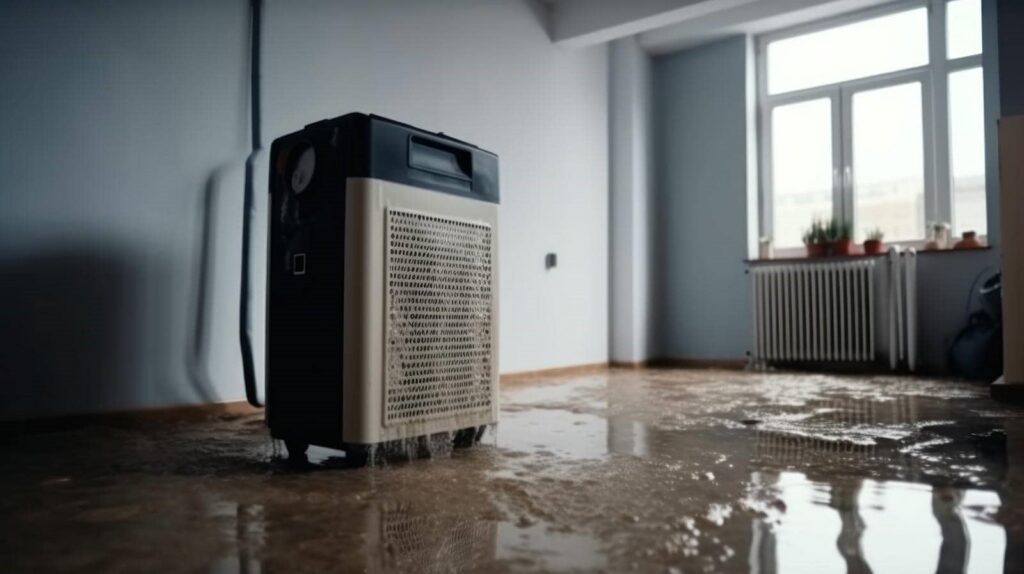
While tackling the aftermath of flooding, using industrial dehumidifiers can be a game-changer in your recovery process. These powerful machines are designed for industrial applications, offering efficient moisture extraction that helps restore your home more quickly.
By employing these dehumidifiers, you expedite drying and prevent mold growth, safeguarding your family’s health.
Here are key benefits of using industrial dehumidifiers:
- Rapid moisture removal: Dries wet surfaces faster than residential units.
- High capacity: Handles large areas effectively, perfect for flooded homes.
- Energy-efficient: Saves on energy costs while maintaining performance.
- Durability: Built to withstand heavy use in challenging environments.
- User-friendly controls: Simplifies operation, even for those unfamiliar with dehumidification.
Investing in industrial dehumidifiers can make all the difference in your recovery journey, ensuring your home feels like home again, quickly and safely.
Natural Ventilation Techniques
Natural ventilation techniques can greatly enhance the drying process in your flooded home, as they facilitate the flow of fresh air and promote moisture evaporation.
One effective approach is to implement cross ventilation methods. By strategically opening windows on opposite sides of your home, you create a pathway for air to flow, drawing out dampness and inviting in dry air.
Window management is essential—ensure that you open windows when the weather permits and close them during rain or high humidity to maintain control over indoor conditions.
You might also consider using fans to direct airflow through open windows, further enhancing the drying effect.
Be mindful of your home’s layout; some areas may need more attention than others.
Employing Air Movers and Fans
Employing air movers and fans is an essential step in effectively drying out your flooded home.
Utilizing these tools correctly can greatly speed up the drying process, preventing further damage.
Here’s how to enhance their use:
Air mover placement: Position air movers in a way that directs airflow toward the wettest areas.
Fan types: Use high-velocity fans to circulate air efficiently throughout the space.
Layering: Place multiple air movers at different heights for better coverage.
Cross-ventilation: Open windows and doors to create a draft, enhancing airflow.
Continuous operation: Keep fans and air movers running for at least 24-48 hours for best results.
Implementing Desiccant Dehumidifiers
After using air movers and fans to facilitate airflow, the next step is to implement desiccant dehumidifiers.
These devices are particularly effective in environments with high humidity and can greatly enhance moisture absorption. You’ll find various desiccant types, such as silica gel, activated alumina, and molecular sieves, each designed to tackle specific moisture challenges.
Setting up these units involves placing them strategically around the affected areas to maximize their effectiveness.
Unlike traditional dehumidifiers, desiccant models work by absorbing moisture directly from the air, making them ideal for spaces that are hard to ventilate.
As you implement these dehumidifiers, remember to monitor their performance and replace the desiccant materials as needed.
This proactive approach protects your home and fosters a sense of community and support among those affected by flooding, reminding you that you’re not alone in this struggle.
Sealing and Insulating Affected Areas
Once you’ve effectively utilized desiccant dehumidifiers, it’s crucial to focus on sealing and insulating the affected areas to prevent future moisture intrusion.
Proper sealing can greatly reduce the risk of mold and mildew, creating a healthier living environment for you and your family.
Here are some key steps to take into account:
- Install moisture barriers in basements and crawl spaces to block water vapor.
- Use high-quality thermal insulation to keep temperature fluctuations in check and minimize condensation.
- Seal cracks and gaps in walls and floors with waterproof sealants.
- Apply vapor-retardant paint on walls to further enhance protection against moisture.
- Regularly inspect sealed areas to verify they remain intact and effective.
Utilizing Heat for Accelerated Drying
While moisture can linger in your home long after a flood, utilizing heat for accelerated drying can considerably speed up the restoration process. By introducing appropriate heat sources, you can enhance drying efficiency and help prevent mold growth.
Portable heaters, for instance, can be strategically placed in affected areas to maintain an ideal temperature. Aim for a consistent warmth, ideally between 70°F and 90°F, to effectively evaporate moisture trapped in walls and furniture.
Combining heat with proper airflow—through fans or open windows—will further boost your drying efforts. However, be cautious; excessive heat can damage materials.
Monitor the situation closely to verify you’re not creating new problems while solving the existing ones. Your home needs your care and attention right now, and by using heat wisely, you’ll foster a safer, drier environment for you and your loved ones.
Monitoring Humidity Levels Effectively
To effectively monitor humidity levels in your flooded home, you’ll need reliable measurement tools like hygrometers or moisture meters.
Ideal humidity levels should typically range between 30% and 60% to prevent further damage and mold growth.
Establishing a regular monitoring schedule will ensure you catch any fluctuations promptly, allowing you to react quickly to protect your space.
Humidity Measurement Tools
When dealing with a flooded home, accurately measuring humidity levels is crucial for effective dehumidification and preventing further damage.
Utilizing the right tools can make a significant difference. Consider these options:
Humidity Sensors: These devices provide real-time humidity data, allowing you to monitor conditions continuously.
Moisture Meters: Perfect for evaluating moisture levels in walls and floors, helping you identify problem areas.
Digital Hygrometers: Compact and user-friendly, they give you a quick snapshot of indoor humidity.
Infrared Thermometers: Useful for detecting temperature variations associated with moisture.
Smart Home Devices: Some offer integrated humidity monitoring, linking with your smartphone for alerts.
Investing in these tools ensures you’re well-equipped to manage humidity effectively.
Ideal Humidity Levels
Maintaining ideal humidity levels in a flooded home is essential for preventing mold growth and structural damage. You should aim for indoor humidity levels between 30% and 60%. This range promotes comfort while ensuring effective humidity control and moisture regulation.
Using a hygrometer can help you monitor these levels accurately. If humidity creeps above 60%, it’s time to take action—consider utilizing dehumidifiers or improving ventilation.
Remember, you’re not alone in this; many homeowners face similar challenges. Staying proactive about humidity levels protects your home and enhances your sense of belonging and safety in your environment.
Regular Monitoring Schedule
Keeping humidity levels in check requires a consistent monitoring schedule. By implementing a regular routine for humidity tracking, you can prevent mold growth and structural damage in your home.
Here are some key points to take into account for your monitoring frequency:
- Check humidity levels at least twice daily during the initial recovery phase.
- Use a hygrometer for accurate readings.
- Document changes over time to identify patterns.
- Adjust dehumidifiers based on your findings.
- Stay informed about weather conditions that might affect indoor humidity.
Professional Water Damage Restoration Services
Although dealing with flood damage can be overwhelming, professional water damage restoration services provide essential support to help you reclaim your home.
These experts specialize in efficient water extraction, ensuring that every drop is removed quickly to prevent further damage. They use advanced equipment, like high-powered pumps and dehumidifiers, to dry out your space thoroughly.
Moreover, their expertise extends to mold prevention, a critical aspect of restoring your home.
Mold can develop within 24 to 48 hours after flooding, posing serious health risks. Professionals assess moisture levels and employ antimicrobial treatments to inhibit mold growth effectively.
Long-term Moisture Control Strategies
Once you’ve tackled immediate water damage, establishing long-term moisture control strategies becomes crucial for preventing future issues.
By adopting effective methods, you can create a safer, healthier environment for you and your loved ones.
Consider implementing the following strategies:
Install moisture barriers: Use vapor barriers in crawl spaces and basements to prevent moisture from seeping in.
Upgrade drainage systems: Confirm gutters and downspouts direct water away from your foundation.
Maintain proper ventilation: Use exhaust fans in bathrooms and kitchens to reduce humidity.
Monitor humidity levels: Invest in a hygrometer to keep track of indoor moisture.
Regular inspections: Routinely check for leaks, cracks, and other potential moisture entry points.
Frequently Asked Questions
How Long Does Dehumidification Typically Take After a Flood?
Dehumidification duration after a flood typically ranges from a few days to several weeks, depending on factors like humidity levels and room size. Your flood recovery efforts will be more effective with consistent monitoring and adjustments.
Can Dehumidifiers Work Effectively in Cold Temperatures?
Yes, dehumidifiers can work in cold weather, but their efficiency drops considerably; at temperatures below 60°F, they can lose capability. Consider using a specialized model designed for low temperatures to maintain effectiveness.
What Are the Signs of Mold Growth After Flooding?
You’ll notice mold identification through musty odors, discoloration on surfaces, and increased allergy symptoms. These signs indicate potential health risks, so addressing them promptly is essential for your well-being and maintaining a safe, healthy home environment.
Is It Safe to Stay in a Flooded Home During Dehumidification?
It’s generally not safe to stay in a flooded home during dehumidification. Health risks, like mold exposure, are significant. If you must stay, take safety precautions, ensure proper ventilation, and monitor for any worsening conditions.
How Can I Prevent Future Flooding in My Home?
To prevent future flooding in your home, install water barriers like retaining walls and drainage systems. Regularly inspect gutters and downspouts, ensuring they direct water away from your foundation, keeping your space safe and dry.
Summary
In the aftermath of flooding, addressing moisture is essential for your home’s health. By using industrial dehumidifiers, employing air movers, and embracing natural ventilation, you can effectively combat humidity. Monitoring humidity levels and considering professional restoration services ensures thorough drying. Remember, maintaining low moisture levels prevents mold growth, protects your property, and safeguards your family’s well-being. Act now, stay vigilant, and prioritize your home’s recovery—because a dry home is a safe home.
Recent Posts
Assessing Water Damage From Burst Pipes
Evaluating water damage from burst pipes requires thorough inspection, careful documentation, and swift action. You’ll
Mastering Emergency Sewage Cleanup and Water Removal
Sewage emergencies can be chaotic and overwhelming, yet they demand a structured response to prevent
10 Tips for Storm Water Damage Assessment
When storm water damage occurs, a systematic approach is essential. You need to identify the