Contents
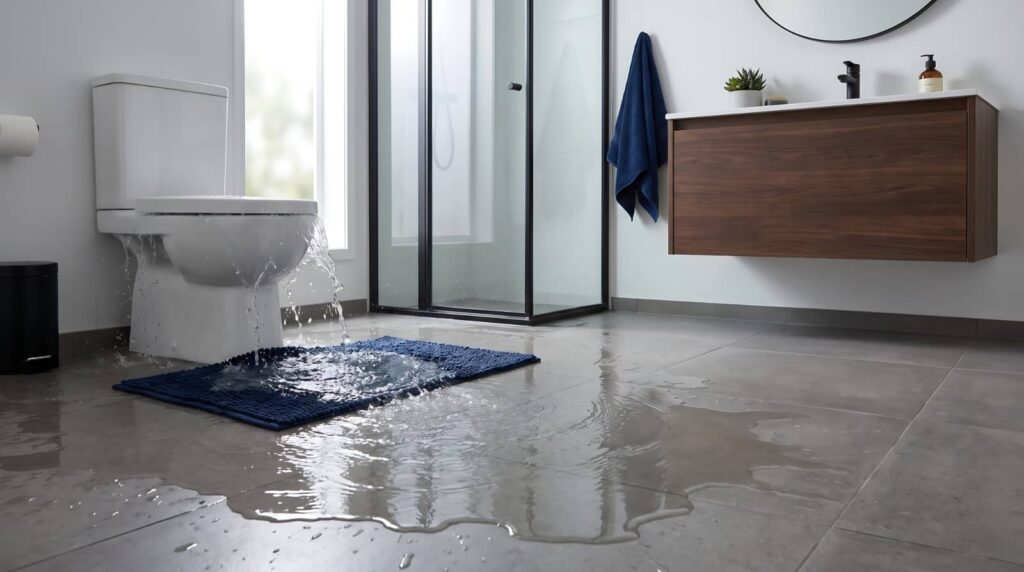
After a challenging situation like sewage overflow, it’s vital to approach cleanup methodically. You’ll need to assess the damage and prioritize safety throughout the process. Understanding what to check and the necessary precautions can make a significant difference. From gathering supplies to knowing when to call in professionals, each step plays an important role. Let’s explore effective strategies to navigate this complex cleanup and safeguard your space.
Key Takeaways
Regularly inspect and maintain drainage systems to prevent blockages and backups during storms.
Wear personal protective equipment (PPE) to safeguard against contaminants during cleanup.
Document damage for insurance claims and notify local authorities if necessary after an overflow.
Thoroughly disinfect all affected surfaces to neutralize pathogens and prevent health risks.
Seek professional help if persistent odors or visible contamination remain after initial cleanup efforts.
What Should You Check After a Sewage Overflow?
After a sewage overflow, it’s essential to check several key areas to confirm safety and prevent further damage.
First, inspect your drainage systems. Verify they’re clear of blockages that could worsen flooding. You’ll want to look for any signs of structural damage in your home, as this could lead to further complications.
Next, evaluate your flood barriers. Make sure they’re intact and functioning correctly to protect against future incidents. If they’re compromised, consider reinforcing them to enhance your home’s safety.
Additionally, check for any lingering odors or discoloration in your surroundings, which could indicate contamination.
Addressing these areas promptly helps confirm your environment remains safe and secure for you and your community.
Stay Safe: Key Precautions for Cleanup
When facing a sewage overflow, prioritizing safety is vital before you start the cleanup process. First, wear personal protective equipment (PPE) like gloves, masks, and waterproof boots to shield yourself from harmful contaminants. Make sure your clothing covers your skin entirely to prevent exposure.
Next, assess the area for hazards, including unstable surfaces or electrical risks. Turn off electricity in affected zones to minimize shock hazards.
It’s important to keep children and pets away from the contaminated area, as they’re more vulnerable to health risks.
Stay informed about health precautions, especially regarding potential infections or diseases from sewage. If you experience any symptoms after exposure, seek medical attention promptly.
Your safety is the top priority during this challenging situation.
Supplies You’ll Need for Cleanup
Gathering the right supplies is essential for an effective sewage overflow cleanup. Start with protective gear, including gloves, masks, and waterproof boots, to shield yourself from contaminants.
You’ll need sturdy cleanup tools like mops, buckets, and squeegees to manage the mess efficiently. A wet/dry vacuum is invaluable for removing standing water and debris.
Don’t forget disinfectants and sanitizers to neutralize pathogens and odors. Absorbent materials, like towels or rags, will help soak up any remaining moisture.
Finally, have trash bags on hand for safe disposal of contaminated items. With these supplies, you’ll be prepared to tackle the cleanup process confidently and safely, ensuring a healthier environment for everyone involved.
How to Clean Up Sewage Overflow: A Step-by-Step Process
Once you’ve assembled your cleanup supplies, it’s time to tackle the sewage overflow effectively.
Start by ensuring your safety: wear gloves, goggles, and masks.
Next, contain the area to prevent further contamination.
As a homeowner, your responsibilities include removing standing water and debris promptly, ideally within 24 to 48 hours.
Use a wet vacuum for water removal, then dispose of contaminated materials in sealed bags.
After that, scrub surfaces with a specialized cleaner to eliminate bacteria.
Pay attention to your cleanup timeline; the faster you act, the less risk of structural damage or health issues.
Finally, document the damage for insurance purposes.
Following these steps can help restore your home and minimize disruption to your life.
How to Disinfect After Sewage Overflow to Avoid Health Risks?
After a sewage overflow, it’s vital to disinfect the affected area to eliminate health risks.
You’ll need specific disinfecting supplies and must follow safe cleaning techniques to ensure effectiveness.
Let’s explore what you need and how to do it properly.
Essential Disinfecting Supplies Needed
To effectively disinfect areas affected by sewage overflow, you’ll need a few essential supplies that can tackle harmful pathogens.
Start with powerful disinfecting agents like bleach, hydrogen peroxide, or commercial-grade products specifically designed for sewage cleanup. Make sure you have protective gear, including gloves, masks, and goggles, to safeguard yourself during the process.
Gather mops, buckets, and scrub brushes to facilitate thorough cleaning. Don’t forget absorbent materials such as sponges or rags for initial spills.
It’s vital to follow established cleaning protocols, applying disinfectants as directed and allowing sufficient contact time for effectiveness.
Having these supplies ready not only streamlines your cleanup but also greatly reduces health risks associated with sewage contamination.
Safe Cleaning Techniques Explained
When handling sewage overflow, it’s imperative to implement safe cleaning techniques to minimize health risks.
Start by wearing protective gear, including gloves, masks, and goggles. Use safe materials like non-toxic disinfectants specifically designed for sewage cleanup.
Follow established cleaning protocols: first, remove any solid waste and debris, then thoroughly rinse the affected area with clean water.
After rinsing, apply your chosen disinfectant and allow it to sit for the recommended time to effectively kill pathogens. Rinse again and ensure proper ventilation during the process.
Don’t forget to dispose of all contaminated materials responsibly.
Signs You Need Professional Help After Sewage Overflow?
If you’re noticing persistent foul odors or visible contamination after a sewage overflow, it’s essential to assess the situation.
These signs often indicate that the problem exceeds what you can manage safely.
Don’t hesitate to seek professional help to address potential health risks and ensure thorough cleanup.
Persistent Foul Odors
Identifying odor sources—like damp carpets, walls, or hidden nooks—is vital. Even with good ventilation techniques, lingering smells signal that you mightn’t have fully addressed the issue.
Opening windows and using fans can help initially, but they won’t eliminate the underlying problem. If odors persist, it’s essential to consult professionals who can perform a thorough assessment and cleanup.
They’ll have the right tools and expertise to identify hidden contamination, ensuring your home is safe and healthy.
Don’t ignore these warning signs, as they can lead to more significant health issues if left untreated.
Visible Contamination or Debris
When you spot visible hazards, such as sewage-laden materials, stagnant water, or contaminated soil, it’s essential to act promptly.
Attempting to handle debris removal on your own can expose you to serious health risks and complicate the cleanup process.
Professionals are trained to identify and manage these hazards safely, ensuring that all contaminated materials are removed and properly disposed of.
They also have the tools and expertise to sanitize the affected areas, preventing further contamination.
Don’t underestimate the importance of addressing visible contamination; it’s crucial for your health and the integrity of your property.
Reach out for help when you notice these signs.
Tips for Sewage System Maintenance to Prevent Future Issues
To maintain a functional sewage system and prevent future issues, it’s vital to implement regular maintenance practices.
Start by establishing a routine for sewage inspections; these allow you to identify potential problems early. Schedule these inspections at least once a year, and consider more frequent checks if you live in an area prone to heavy rainfall or flooding.
Adhering to maintenance schedules helps ensure your system operates efficiently. Regularly clean your drains and remove any debris that could cause blockages.
Be mindful of what you flush; avoiding non-biodegradable items can greatly reduce the risk of clogs.
Frequently Asked Questions
How Can I Identify Sewage Overflow in My Home?
To identify sewage overflow in your home, check for a sewage smell, water discoloration, toilet backups, drainage issues, standing water, and unusual plumbing noises. These signs indicate potential problems needing immediate attention.
What Are Common Health Risks Associated With Sewage Exposure?
Sewage exposure can lead to symptoms like nausea and skin rashes. Long-term health effects might include respiratory issues and infections. It’s essential to address any exposure promptly to safeguard your health and wellbeing.
How Does Insurance Cover Sewage Overflow Damages?
Insurance often covers sewage overflow damages, but you need to check your policy for coverage limits and potential exclusions. Understanding these details ensures you’re prepared for unexpected costs during cleanup and recovery.
Can I Use Bleach for Cleaning Sewage Spills?
You shouldn’t use bleach for cleaning sewage spills. While bleach can kill bacteria, it doesn’t effectively address sewage contamination and can create harmful fumes. Instead, opt for specialized cleaners designed for biohazardous materials to ensure safety.
What Local Resources Are Available for Sewage Cleanup Assistance?
Many communities offer local cleanup services after sewage spills. You can tap into these resources, along with community support groups, to ensure a thorough and safe cleanup. Don’t hesitate to reach out for help.
Review
In the aftermath of a sewage overflow, swift action is your lifeline. Just as a river carves its path through stone, your proactive steps can shape a safer environment. By adhering to proper cleanup methods and implementing preventive measures, you’re not just mending the damage; you’re fortifying your home against future storms. Remember, it’s not just about cleaning up; it’s about reclaiming your space and ensuring health for you and your community. Stay vigilant and prepared.
Recent Posts
Emergency Flood Cleanup for Water Damage Response
If you lose power just as water starts rising, you have a flood response problem
7 Emergency Flood Cleanup Tips
You might not realize that floodwater can hide electrical hazards and structural damage even after
Why Mold Remediation Follows Flood Cleanup
Could it be true that flood cleanup alone leaves a hidden mold problem behind? You