
Contents
Could it be true that flood cleanup alone leaves a hidden mold problem behind? You remove standing water, but moisture often stays trapped in drywall, insulation, and framing, where mold can start within 24 to 48 hours. If you don’t dry, dehumidify, and remove contaminated materials, you may only solve the surface damage while the real hazard keeps growing.
Key Takeaways
- Mold can start growing within 24 to 48 hours after floodwater leaves behind moisture.
- Flood cleanup removes standing water, but hidden dampness can remain in drywall, wood, and insulation.
- Dehumidification and airflow are needed because porous materials keep feeding mold growth after surface drying.
- Mold remediation removes contaminated materials and treats hidden cavities to stop spread.
- Sewage-contaminated floods need remediation because pathogens and contaminants create serious health risks.
Why Mold Starts After Basement Floods
After a basement flood, mold can start growing quickly because standing water and damp materials create ideal conditions for spores to germinate.
You need to act fast, because mold growth can begin within 24 to 48 hours when basement humidity stays elevated. Warm air, poor ventilation, and lingering moisture raise the risk even after visible water is gone.
You should inspect affected areas with care, since hidden dampness can keep feeding colonies. If you belong to a household recovering together, assign clear tasks so everyone helps with drying, monitoring, and cleanup.
Use dehumidifiers, fans, and measured humidity checks to lower moisture below 60%. That control limits growth and helps you protect your space before damage spreads further.
How Water Hides in Basement Materials
You need to know that porous basement materials like drywall, wood, carpet pad, and insulation can absorb floodwater below the surface, where you can’t see it.
Even after the visible water is gone, moisture can stay trapped in cavities, seams, and layered materials, creating hidden wet zones.
If you don’t locate these sources quickly, that retained moisture can keep feeding mold growth during cleanup.
Porous Material Absorption
Even when floodwater looks gone, porous basement materials can hold hidden moisture deep inside their structure. You’re dealing with porous materials like concrete, drywall, wood, and insulation, which wick water through tiny capillaries. That moisture retention can stay above safe levels long after the surface feels dry, so you can’t rely on touch alone.
Concrete slabs absorb water through microchannels.
Drywall and insulation trap moisture in their fibers.
Wood framing releases water slowly as humidity rises.
When you’re evaluating your basement, use meters and check exposed edges, seams, and contact points. If readings stay elevated, you and your team need continued drying before mold remediation starts.
This approach helps your home feel safer, and it keeps your cleanup plan grounded in facts rather than guesswork.
Trapped Moisture Sources
Moisture doesn’t just sit on a basement surface; it hides in framing cavities, behind vapor barriers, under floor coverings, and inside wall assemblies where airflow is limited.
You need moisture detection tools, because hidden water drives water retention in wood, drywall, and insulation long after cleanup.
Watch for condensation issues at cold concrete, rim joists, and pipe penetrations. Use ventilation solutions to move air through enclosed spaces, then pair them with dehumidification strategies to pull vapor down to safe levels.
You can’t rely on surface treatments alone; they only protect exposed materials. Instead, inspect, dry, and verify each layer so your team stays ahead of mold.
When you understand these trapped sources, you make smarter repairs and keep your basement community healthier.
How Fast Mold Grows After Water Damage
Within 24 to 48 hours after water intrusion, mold can begin colonizing damp materials if you don’t dry them quickly. In the first days after water damage, you’re facing a narrow window where mold growth accelerates on drywall, carpet, wood, and insulation.
Warm temperatures, poor airflow, and lingering humidity shorten that window even more, so you need to inspect affected areas fast and track moisture with a meter.
- Check hidden cavities, baseboards, and under flooring.
- Record dampness levels before and after drying.
- Remove wet contents that stay saturated.
If you belong to a team that handles cleanup well, speed matters: every hour of delay lets spores settle, attach, and spread across nearby surfaces.
Stay systematic, because early action limits cleanup scope and protects indoor air quality.
Why Water Extraction Doesn’t Stop Mold
Water extraction removes standing water, but it doesn’t eliminate the moisture that mold needs to keep growing. You still face damp drywall, soaked insulation, wet subfloors, and humid air, and each one can support mold growth.
Extraction handles liquid water, yet it can’t dry porous materials or hidden cavities fast enough on its own. To protect your space, you need moisture control through dehumidification, air movement, and material removal when drying won’t reach trapped water.
You also need to monitor temperature and relative humidity so conditions don’t stay favorable for spores. When you act quickly and methodically, you help your home or business recover as a team, not a guess.
That’s how you stop water damage from turning into a bigger remediation problem.
Signs You Need Mold Remediation
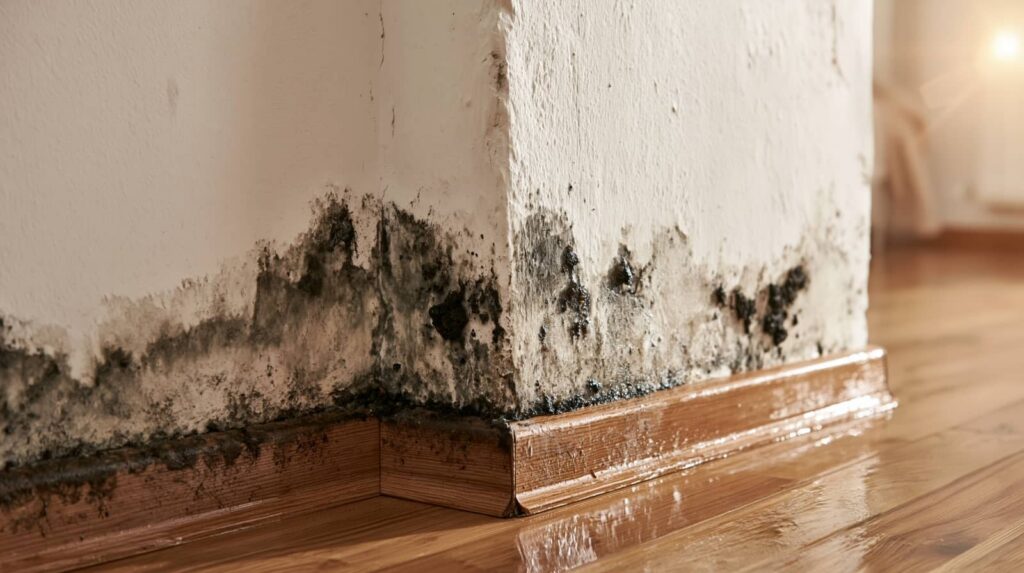
When mold starts to take hold, you’ll usually see more than one warning sign at once. You may notice a persistent musty odor, visible spotting on walls or ceilings, and discoloration that spreads after cleanup.
If drywall feels damp, paint bubbles, or your HVAC blows an earthy smell, you need mold remediation fast. Use mold identification techniques like close visual checks and moisture readings to confirm where growth is active.
- Repeated odor in closed rooms
- Dark, fuzzy, or stained surfaces
- Humidity or dampness that keeps returning
Act quickly so you protect your space and stay part of a healthier home environment.
Pair remediation with mold prevention strategies, including controlling indoor humidity and correcting leaks, so the problem doesn’t keep returning.
What Mold Remediation Includes
Mold remediation includes locating the moisture source, containing affected areas, removing contaminated porous materials, and cleaning remaining surfaces with the right antimicrobial methods.
You’ll also see technicians inspect hidden cavities, verify the extent of growth, and match remediation methods to the mold types present. That matters because different species can respond differently to pressure, agitation, and chemical treatment.
You should expect controlled work zones, negative air strategies, and thorough surface decontamination so spores don’t spread to clean areas.
After removal, your team may dry structural materials and document clearance results.
When you understand each step, you can ask sharper questions and stay aligned with the process. You’re not just getting cleanup; you’re getting a coordinated, standards-based response that helps your home feel safe again.
Basement Flood Cleanup Steps That Matter
Because basement flooding can drive moisture into framing, insulation, and slab cracks, you need to act in a sequence that limits further damage and stops mold from taking hold.
In the flood aftermath, start with safety checks, then shut off power if water’s near outlets. Next, remove standing water with pumps or wet vacs, and open access to trapped pockets behind stored items.
Then strip out wet porous materials you can’t dry fast, including carpet padding and damaged drywall. Use fans and dehumidifiers to lower humidity below 60 percent.
- Document damage for your records.
- Clean hard surfaces with detergent.
- Monitor moisture in wood and concrete.
These cleanup essentials help you and your crew work as a unit, reduce hidden moisture, and create the dry conditions mold needs.
Why Sewage Makes Cleanup Riskier
When floodwater contains sewage, you’re dealing with contamination that can carry bacteria, viruses, and parasites into porous materials and hidden spaces.
You can’t see every hazard, because splash zones, wall cavities, and subfloors can retain dangerous residues even after surface drying.
That’s why you need specialized cleanup, protective gear, and strict disposal procedures before mold remediation can begin.
Sewage Contamination Risks
Sewage-affected floodwater raises the stakes immediately, since it carries pathogens, parasites, and high levels of organic waste that can spread beyond the visible wet areas.
You face sewage exposure when porous materials, seams, and HVAC pathways wick contamination into hidden zones. That’s why health risks rise fast, and your team needs clear containment before you start demolition.
Identify contamination sources first, then separate clean from affected materials with disciplined cleanup procedures. Use mitigation strategies such as isolation, controlled removal, and negative pressure when available.
Follow sanitation methods with approved disinfectants, then rinse, dry, and verify surfaces before reentry.
- Mark contaminated zones.
- Remove unsalvageable materials.
- Document every step.
Hidden Health Hazards
Hidden hazards don’t stay limited to the visible flood line; sewage can seep into wall cavities, subfloors, insulation, ductwork, and other concealed spaces where moisture lingers and contamination persists.
You face serious health implications because bacteria, viruses, and toxins can trigger allergic reactions, respiratory issues, and long term effects after brief exposure. These hidden dangers often affect vulnerable populations first, including children, older adults, and anyone with asthma or weakened immunity.
You reduce risk by treating every damp surface as suspect, tracking odors and staining, and documenting affected areas quickly. Strong prevention strategies rely on prompt drying, containment, hygiene, and clear communication.
When you stay alert and support awareness campaigns, you help your household act sooner and recover with fewer setbacks.
Specialized Cleanup Required
Specialized cleanup is necessary because sewage contamination carries a broader mix of pathogens, chemicals, and fine solids than clean floodwater, so standard drying and surface cleaning won’t make the area safe.
You need specialized equipment and professional training to remove contaminated materials, disinfect hidden cavities, and control airborne exposure. Without that process, you’re leaving bacteria, viruses, and waste residue in place, and mold can grow fast in damp framing and insulation.
- Seal the work zone and limit access.
- Remove porous materials that can’t be fully sanitized.
- Disinfect, dry, and verify moisture levels before rebuild.
When you work with a qualified team, you protect your household, your neighbors, and the long-term integrity of the structure.
How to Prevent Mold After Basement Floods
After a basement flood, you need to dry the space fast because mold can begin growing within 24 to 48 hours.
Remove standing water with a sump pump, wet vac, or pump truck, then run dehumidifiers and fans nonstop until moisture readings return to normal.
Open windows only when outdoor air is dry; otherwise, seal the area and use basement ventilation strategies that exhaust damp air safely.
Clean hard surfaces with detergent, then disinfect after drying.
Remove soaked drywall, insulation, carpet, and cardboard, since they hold spores.
These mold prevention techniques work best when you also fix leaks, improve drainage, and check humidity daily.
If you stay disciplined now, you protect your home and join other homeowners who keep basements safe, dry, and ready for recovery.
Reap
After a basement flood, you need mold remediation because moisture left in drywall, insulation, and subflooring can trigger growth within 24 to 48 hours. If you only extract standing water, hidden dampness can still spread contamination. For example, a homeowner may dry the floor but leave wet insulation behind, then discover musty odors and respiratory irritation a week later. Act fast, remove damaged materials, dehumidify thoroughly, and verify dryness to protect your basement and health.
Recent Posts
Emergency Flood Cleanup for Water Damage Response
If you lose power just as water starts rising, you have a flood response problem
7 Emergency Flood Cleanup Tips
You might not realize that floodwater can hide electrical hazards and structural damage even after
Certified Mold Remediation After Flood: How-To Guide
Can you prove that mold starts only after visible water is gone? Mold Remediation after