
Contents
When your basement floods, you need more than a wet vacuum and a few towels. You need a methodical extraction process that removes standing water, checks for sewage contamination, and starts drying the structure before damage spreads. The right team uses pumps, vacuums, and moisture meters to control the job from start to finish. What they do next can determine whether you’re facing a simple cleanup or a much larger restoration.
Key Takeaways
- Basement flood extraction starts with removing standing water using pumps, wet vacs, or truck-mounted equipment.
- Fast water removal limits structural damage, mold growth, and spreading moisture to adjoining rooms.
- Technicians inspect hidden moisture, map damage, and adjust extraction methods for floors, walls, and tight spaces.
- Sewage-contaminated water requires biohazard precautions, isolation, PPE, and professional remediation before repairs.
- Choose a licensed, insured team with proper drying equipment, clear response times, and documented insurance coverage.
What Basement Flood Water Extraction Includes
Basement flood water extraction includes removing standing water with high-capacity pumps, wet vacuums, or truck-mounted extraction equipment. Then checking for hidden moisture in flooring, walls, and insulation.
You’ll see technicians map water damage, identify affected materials, and choose extraction methods based on depth, access, and surface type. They’ll lift water from carpets, seams, cracks, and low spots, then verify saturation with meters and thermal imaging.
If your basement has tile, concrete, or finished walls, they’ll adjust tools to protect the structure and limit disturbance. You’re part of a process that targets the wet area methodically, so your space gets handled with care.
After extraction, they’ll collect standing residue, document conditions, and confirm which sections still need drying support and monitoring.
Why Fast Water Removal Matters
Speed matters because standing water starts damaging materials almost immediately, and every hour it stays in place increases the risk of structural deterioration, mold growth, and electrical hazards.
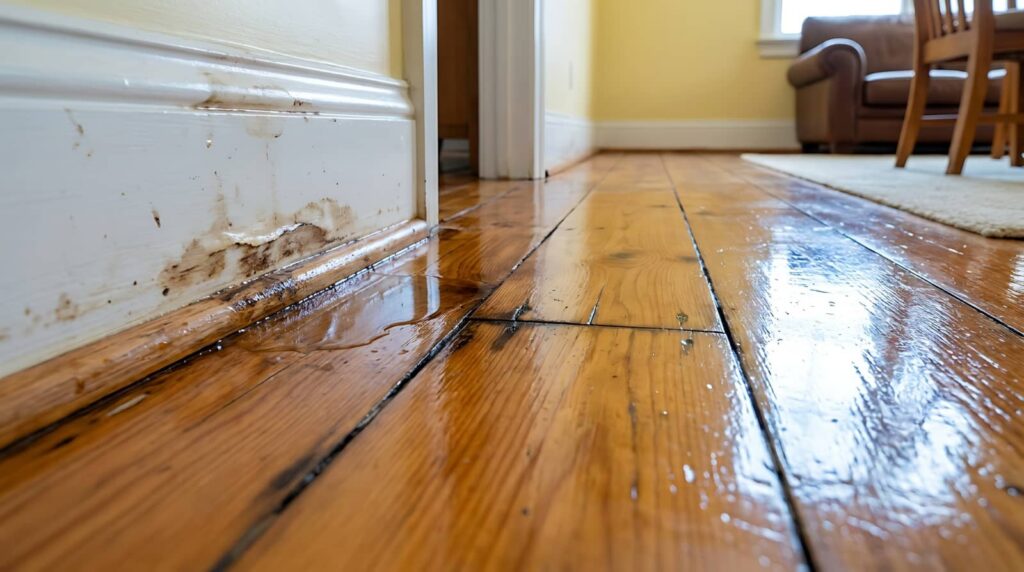
You protect your basement by acting fast, because water wicks into drywall, flooring, and insulation, then weakens them before you notice visible change. Quick removal also limits secondary water damage, which can spread into adjoining rooms and raise repair costs.
When you treat flood response as part of emergency preparedness, you keep your household safer and reduce downtime. You’re not alone in this; prompt action helps your home recover with less disruption and more confidence.
Fast extraction also supports cleaner drying conditions, so you can restore normal use sooner and with fewer hidden problems.
How Basement Water Extraction Works
First, technicians inspect the water source, depth, and affected materials so they can choose the right extraction method and prevent further damage.
You’ll see them map the wet zones, confirm whether clean, gray, or contaminated water entered your basement, and set a removal plan that fits your space. They isolate the area, protect nearby belongings, and start extracting standing water until moisture drops to a manageable level.
Then they check hidden pockets in seams, corners, and under flooring to limit lingering water damage. After extraction, they assess what needs drying and sanitation, helping you stay ahead of mold and support flood prevention.
This process gives you a clear path back to a safer, more stable basement, with your home’s recovery handled carefully and consistently.
Equipment Pros Use to Remove Flood Water
Once technicians map the water and confirm the damage, they bring in equipment matched to the flood conditions.
You’ll usually see submersible and utility pump types first, because they move high volumes fast and handle varying depths. For tighter spaces, technicians switch to wet vacuums and portable extraction units, which support controlled extraction methods around walls, corners, and finished surfaces.
They also use hose assemblies, weighted wands, and moisture meters to keep the process targeted and measurable. If the water is pooled under shelving or in low pockets, specialty nozzles help reach trapped areas without stirring debris.
You get a cleaner, safer result when the team pairs the right machine with the right job, and that’s how pros work as a unit.
When Sewage Cleanup Needs Special Handling
When flood water contains sewage, technicians treat the job as a biohazard, not a routine extraction. You’re dealing with sewage hazards that can spread bacteria, viruses, and parasites through contact and splash.
The crew isolates the area, uses sealed containers, and follows strict disposal rules to protect your home and team. You belong in the loop, so expect clear communication about access limits and contamination zones.
Source check: They verify whether backups came from toilets, drains, or outside water mixed with waste.
Safety controls: They wear PPE, set barriers, and prevent tracking contamination.
Risk assessment: They identify health risks before any cleanup starts, especially where porous materials or standing water remain.
How Pros Dry Walls, Floors, and Indoor Air
After extraction, pros move quickly to dry the structure with targeted equipment that matches the material and the moisture level. You’ll see them open wall cavities, lift baseboards, and position low-grain dehumidifiers so wall drying happens from the inside out.
On floors, they use air movers to push moisture toward the dehumidifiers, and they adjust placement to avoid dead zones. They also monitor temperature, humidity, and moisture readings so you know the work is on track.
Strong air circulation helps speed evaporation, but they’ll balance it with containment so damp air doesn’t spread. If concrete, wood, or drywall holds water differently, they’ll tailor the setup.
That’s how your basement dries evenly, protects materials, and gets you back to normal sooner.
When Mold Remediation Is Needed
You need mold remediation when you see visible mold growth on walls, framing, insulation, or stored items after a flood.
You also need it when moisture keeps returning, because persistent dampness lets spores colonize hidden materials and spread.
If you notice these conditions, you should treat the area as a contamination issue and remove the moisture source before cleanup continues.
Visible Mold Growth
Visible mold growth signals that basement flood cleanup has moved beyond water extraction alone and may require professional remediation.
You should treat dark patches, fuzzy colonies, or musty staining as active contamination, not cosmetic damage. Mold can spread onto drywall, framing, and stored items, so you need fast containment and certified cleaning.
This step protects your household and supports mold prevention by removing spores before they colonize other rooms. It also reduces health risks for people with asthma, allergies, or weakened immunity.
Look for:
- black, green, or white growth on surfaces
- visible expansion after cleaning
- staining near baseboards, furniture, or boxes
If you see these signs, you’re not overreacting; you’re acting with your community’s safety in mind.
Persistent Moisture Issues
Persistent moisture problems mean the basement hasn’t fully dried, and mold remediation may be needed even if standing water is gone.
You should measure humidity, inspect drywall, framing, insulation, and slab edges, and look for damp odors, staining, or recurring condensation. If materials stay above safe moisture levels after extraction, mold can colonize hidden cavities and spread through your space.
Moisture control must include dehumidification, air movement, and sealing the entry points that let water return. For water prevention, verify sump operation, grading, gutters, and foundation drainage.
When you act quickly, you protect your home and stay connected to a community of owners who take basement recovery seriously.
If contamination persists, schedule professional remediation before repairs, because drying alone won’t solve the problem.
What Basement Water Extraction Costs
Basement water extraction costs typically depend on the amount of standing water, the basement’s size, the source of the intrusion, and how quickly crews can access the area.
You’ll usually see pricing rise when water covers more square footage or when contamination requires extra handling. For your planning, expect costs to reflect:
- Water depth and spread
- Pumping and drying time
- Moisture damage to walls or flooring
If you’re part of a neighborhood that looks out for each other, you already know quick action matters.
Pair extraction with basement waterproofing solutions to reduce repeat losses, and use flood prevention tips to keep future bills lower.
Accurate estimates come from measuring moisture levels, documenting affected areas, and tracking how long standing water remains before removal.
How to Choose a Cleanup Team
When you choose a cleanup team, verify that they’re licensed and insured so you’re protected if work goes wrong.
Confirm their emergency response times, since basement flooding often needs immediate extraction to limit structural and microbial damage.
Also assess their equipment and methods to make sure they use proper pumps, drying systems, and moisture monitoring for effective remediation.
Check Licensing And Insurance
Before you hire a cleanup team, verify that they carry the proper local licenses and liability insurance, because these credentials tell you they can work legally and cover damage if something goes wrong.
Ask for proof of licensing requirements and confirm the company name matches the paperwork. Then review insurance coverage for general liability and worker protection, so you’re not left handling costs from accidents or property loss.
You belong with a team that documents everything clearly and answers directly.
- Request a current license number and check it with your municipality.
- Ask for a certificate of insurance and note coverage limits.
- Keep copies of all documents before work starts.
Verify Emergency Response Times
Fast response matters because floodwater keeps spreading, so you should ask each cleanup team how quickly they can arrive, when they can begin extraction, and whether they offer 24/7 dispatch.
You’ll want clear service windows, not vague promises, because every minute affects loss control and mold risk. Ask how they route crews, what their emergency protocols require, and whether a supervisor verifies your call immediately.
A reliable company should state its average arrival time, on-site mobilization steps, and after-hours coverage. This lets you compare response efficiency across providers and choose a team that treats your basement like part of their own community.
If they can’t define timelines or escalate emergencies fast, keep looking. You deserve a crew that’s ready, organized, and accountable when water strikes.
Assess Cleanup Equipment And Methods
Check what equipment a cleanup team brings, because the tools and methods they use will determine how quickly they can remove water, dry the space, and prevent secondary damage. You should ask about their cleanup strategies and compare equipment types before you hire them.
Reliable teams use truck-mounted extractors, submersible pumps, air movers, and dehumidifiers sized to your basement. They also map moisture, remove saturated materials, and sanitize affected surfaces in a controlled sequence.
Powerful extraction removes standing water fast.
Targeted drying lowers humidity and limits mold growth.
Moisture meters confirm when materials are truly dry.
When you choose a team that explains its process clearly, you’re joining people who protect your home with discipline, not guesswork.
Final Thoughts
When your basement floods, you don’t have time to wait for a knight in shining armor. You need fast extraction, safe cleanup, and thorough drying to protect your structure, air quality, and belongings. Acting quickly helps you limit mold, sewage hazards, and costly repairs. If you choose a team with the right equipment and experience, you can get your basement back to safe, dry, usable condition with less stress and fewer surprises.
Recent Posts
What Is a Sewage Spill Remediation Company?
If your basement backs up with sewage after a heavy storm, you need more than
Emergency Flood Cleanup for Water Damage Response
If you lose power just as water starts rising, you have a flood response problem
7 Emergency Flood Cleanup Tips
You might not realize that floodwater can hide electrical hazards and structural damage even after