
Contents
Many homeowners underestimate the health risks posed by black mold, which can develop within 24 to 48 hours after water damage. If you’ve recently experienced such an issue, it’s critical to act quickly to assess and address the situation. Ignoring the signs can lead to serious health complications and costly repairs. Understanding the correct steps for identification and removal can make all the difference in safeguarding your home and well-being. What should you do next?
Key Takeaways
- Assess the extent of water damage by checking areas prone to moisture and looking for visible signs like discoloration or peeling paint.
- Identify black mold by its dark patches and musty odors; use surface sampling kits for confirmation.
- Wear protective gear and seal off affected areas before removing contaminated materials to prevent spore spread.
- Clean non-porous surfaces thoroughly with water and detergent, ensuring proper ventilation afterward to facilitate drying.
- If mold covers over 10 square feet or DIY efforts fail, contact professional remediation services for effective removal.
Assessing the Extent of Water Damage
How can you accurately assess the extent of water damage in your home? Start by examining areas where water might collect, like basements, attics, and around plumbing fixtures.
Look for visible signs such as discoloration, warping, or peeling paint. These indicators often signal underlying water damage that could lead to mold growth.
Next, check for musty odors—this could be a telltale sign of hidden moisture.
For a detailed mold assessment, consider using moisture meters to detect hidden dampness within walls or flooring.
If you suspect severe damage, it might be wise to consult a professional who can provide a thorough evaluation.
Identifying and Testing for Black Mold
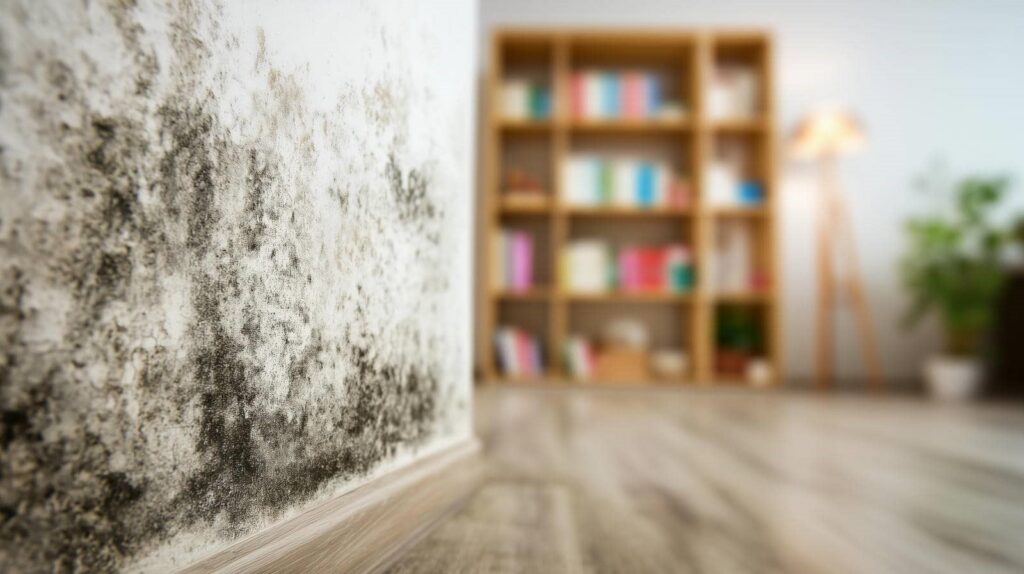
While you may spot mold growth in various colors, identifying black mold specifically requires close attention to its unique characteristics. Black mold often appears as dark green or black patches and has a velvety texture.
To effectively use mold identification techniques, examine the affected area for a musty odor, which can indicate its presence.
If you suspect black mold, consider employing mold testing methods for confirmation. You can use surface sampling kits or air quality tests that analyze spores in your environment. These methods provide a clearer picture of the mold type and concentration.
It’s essential to act swiftly, as exposure to black mold can lead to health issues.
Safe Removal and Cleanup Procedures
Once you’ve confirmed the presence of black mold, it’s crucial to implement safe removal and cleanup procedures to minimize health risks and prevent further spread.
Start by wearing protective equipment, including gloves, goggles, and an N95 respirator, to shield yourself from mold spores. Seal off the affected area using plastic sheeting to contain the spores during removal.
For safe disposal, carefully remove contaminated materials like drywall or carpet, placing them in sealed bags. Avoid creating dust or debris; mist surfaces lightly with water to minimize spore release.
Clean non-porous surfaces with a solution of water and detergent, making sure you scrub thoroughly to remove any remaining mold.
After cleanup, ensure proper ventilation in the area to facilitate drying and prevent moisture buildup. Dispose of any contaminated materials according to local regulations to protect your environment and community from mold exposure.
Preventing Future Mold Growth
After you’ve successfully removed black mold, the next step is to implement strategies that prevent its return.
Start by using mold resistant materials during repairs and renovations. Opting for these materials in areas prone to moisture, like bathrooms and kitchens, considerably reduces the risk of mold growth.
Next, focus on ventilation improvements. Confirm that your home has proper airflow by installing exhaust fans in high-moisture areas and regularly opening windows to allow fresh air in.
Dehumidifiers can also help maintain ideal humidity levels, ideally between 30% and 60%.
Regularly inspect your home for leaks and address any water damage immediately. By being proactive, you protect your living space and foster a healthier environment for you and your loved ones.
Creating a mold-free home is a shared goal, and with these strategies, you’ll feel more secure in your space.
Professional Remediation Services and When to Call
How can you tell when it’s time to call in professional remediation services for black mold? If you notice extensive mold growth—especially over 10 square feet—it’s a clear sign you need expert help.
Mold health concerns can escalate quickly, leading to respiratory issues and other serious health problems. Even if you see minor patches, don’t underestimate their potential; hidden mold can thrive behind walls or under floors.
Additionally, if you’ve tried DIY methods without success or if mold persists after water damage, it’s time to reach out to professionals.
While remediation costs may seem intimidating, consider them an investment in your home and health. Professional services ensure thorough removal and help prevent future outbreaks.
Frequently Asked Questions
Can Black Mold Cause Health Issues for Pets?
Yes, black mold can affect pet health. Mold exposure may lead to respiratory issues, skin irritations, or allergic reactions in pets. Monitoring your pets for symptoms and addressing mold problems promptly is essential for their well-being.
How Long Does It Take for Black Mold to Grow?
Black mold can sprout within 24 to 48 hours under the right environmental factors. Understanding this mold growth timeline helps you act swiftly, protecting your space and loved ones from potential hazards lurking in the shadows.
Is It Safe to Paint Over Black Mold?
No, it isn’t safe to paint over black mold. Instead, use mold prevention techniques to eliminate it first. Following safe painting practices ensures you create a healthy environment, protecting your space and those who belong in it.
Can I Use Bleach to Kill Black Mold?
Bleach can’t effectively kill black mold; its effectiveness is limited. Instead, consider thorough mold removal methods. You’ll ensure safety and lasting results, fostering a healthier environment without the fleeting fix bleach provides.
Will Homeowners Insurance Cover Black Mold Damage?
Homeowners insurance might cover black mold damage, but it depends on your policy. Check for mold coverage specifics and understand how to file insurance claims effectively, as coverage varies considerably among providers and individual circumstances.
Wrap-Up
Addressing black mold after water damage is essential for your health and home. You might think tackling it yourself is enough, but remember that mold can hide in unseen areas, posing long-term risks. By evaluating the damage, removing contaminated materials safely, and improving ventilation, you can greatly reduce the chances of recurrence. Don’t hesitate to seek professional help for extensive infestations; it’s a worthwhile investment in your property’s safety and your peace of mind.
Recent Posts
What Is a Sewage Spill Remediation Company?
If your basement backs up with sewage after a heavy storm, you need more than
Emergency Flood Cleanup for Water Damage Response
If you lose power just as water starts rising, you have a flood response problem
7 Emergency Flood Cleanup Tips
You might not realize that floodwater can hide electrical hazards and structural damage even after