
Contents
Imagine the foul stench creeping through your home as water rises ominously from the drains. In a sewage backup emergency, every second counts, and knowing how to respond can make all the difference. From recognizing the initial signs to taking immediate action, it’s essential to stay calm and informed. You’ll want to understand the important steps to protect your health and property while maneuvering through this distressing situation. What should you do first?
Key Takeaways
- Identify signs of sewage backup, such as gurgling noises and slow drainage, to act quickly.
- Wear protective gear like gloves and masks when handling contaminated areas.
- Shut off the water supply immediately to prevent further overflow.
- Document damage thoroughly for insurance claims, including photos and receipts.
- Contact a professional plumber for assessment and cleanup to ensure safety.
Recognizing the Signs of Sewage Backup
How can you tell if your home is experiencing a sewage backup? Recognizing the signs and symptoms early can prevent significant damage.
One of the primary warning indicators is the presence of gurgling noises from your drains or toilets. If you notice slow drainage in multiple fixtures, it’s another red flag.
Pay attention to unpleasant odors; a foul smell around drains can signal a problem. Additionally, if your toilet backs up or overflows, especially when you’re using other plumbing, it’s essential to act swiftly.
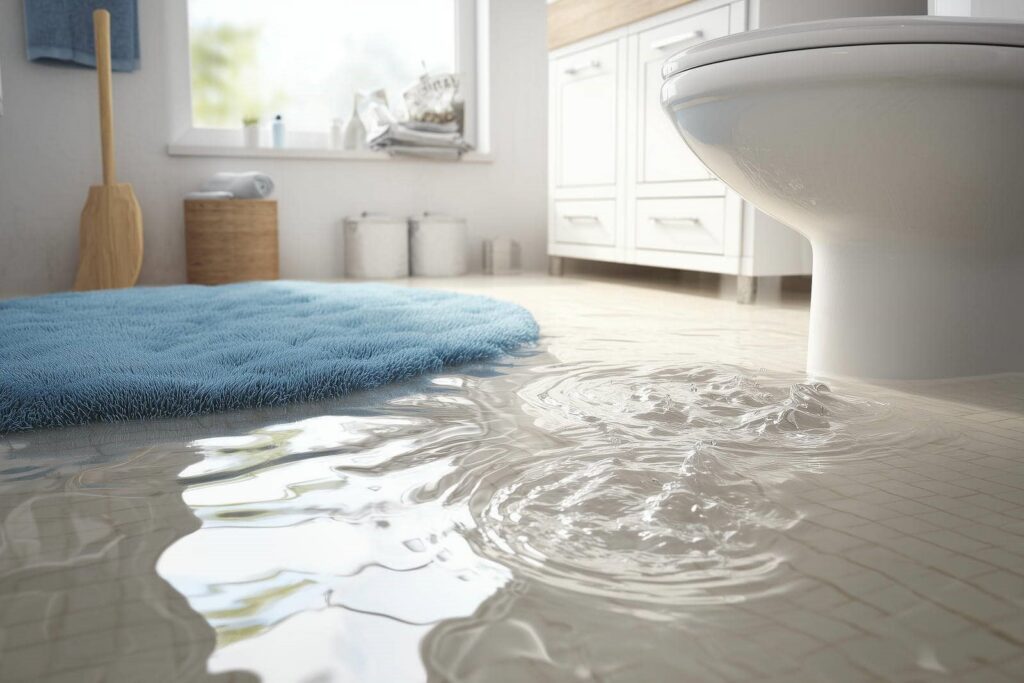
Look for water pooling around floor drains or in your basement, as this can indicate a backup. You should also monitor for an increase in vermin, like rats or cockroaches, which may seek out sewage.
Immediate Actions to Take
Upon noticing signs of a sewage backup, immediate action is essential to minimize damage and ensure safety.
First, gather your emergency supplies, including gloves, masks, and buckets, to protect yourself while addressing the situation. Next, shut off the water supply to prevent further overflow, and avoid flushing toilets or running faucets.
Establish immediate containment by blocking off the affected area to prevent anyone from entering, as this will help reduce exposure risks. If safe, use towels or absorbent materials to soak up any visible sewage, but remember to avoid direct contact.
Once the situation is under control, contact a professional plumber or sewage cleanup service to assess and resolve the issue.
Document the damage for insurance purposes, and remember to stay calm; acting promptly can considerably reduce the impact of a sewage backup on your home and health.
Safety Precautions to Follow
While dealing with a sewage backup, following strict safety precautions is essential to protect yourself and others. Ignoring safety can lead to serious health risks.
Here are three significant safety precautions to keep in mind:
Wear Protective Gear: Always put on gloves, masks, and waterproof boots. This gear acts as a barrier against harmful pathogens and contaminants in sewage.
Prepare an Emergency Kit: Confirm you have an emergency kit ready, including flashlights, non-perishable food, bottled water, and first-aid supplies. This kit will be imperative if the situation escalates.
Evacuate if Necessary: If the sewage backup is extensive or poses a risk to your health, evacuate immediately. Make sure everyone in your household knows the evacuation plan and location.
Contacting Professional Help
If you find yourself overwhelmed by a sewage backup, contacting professional help is crucial to effectively manage the situation.
Start by reaching out to your emergency contacts—these should include local services specializing in sewage and water damage restoration. They’ve the expertise, equipment, and trained staff to handle such hazardous situations safely and efficiently.
Before you call, make sure you have all relevant information at hand, such as your address, the extent of the backup, and any immediate hazards present. This will help the professionals assess the situation better and respond more quickly.
Don’t hesitate to ask about their procedures and what you can expect during the cleanup.
Additionally, inquire about their certifications and any insurance coverage, as this can provide peace of mind during a stressful time.
Relying on local services ensures safety and fosters a sense of community support in handling emergencies.
Documenting the Damage
After you’ve contacted professional help, the next step involves documenting the damage caused by the sewage backup.
Accurate records will aid in insurance claims and future prevention. Here’s how to effectively document the damage:
- Photographic Evidence: Take clear photos of affected areas, including floors, walls, and personal belongings.
Make sure you capture the extent of the damage from multiple angles.
- Damage Inventory: Create a detailed list of damaged items, including their condition, estimated value, and any relevant receipts.
This will serve as a crucial reference for your insurance adjuster.
- Professional Assessments: If professionals assess the damage, ask for written reports.
These documents can substantiate your claims and provide a thorough overview of the situation.
Preventing Further Contamination
To prevent further contamination from a sewage backup, you must act quickly and decisively. Start by turning off all water sources to minimize additional overflow.
Next, isolate the affected area by closing doors and sealing vents. This helps contain the problem and prevents the spread of contaminants.
Regular maintenance is essential; ensure your plumbing system undergoes routine inspections. This proactive approach can identify potential issues before they escalate into emergencies.
Additionally, consider installing backflow valves to protect against future sewage intrusions.
If you’re unsure about the extent of the damage or necessary repairs, consult a professional immediately. They can provide a thorough assessment and recommend effective solutions.
Cleaning and Disinfecting Affected Areas
Once you’ve contained the sewage backup and taken steps to prevent further contamination, it’s time to focus on cleaning and disinfecting the affected areas.
Proper cleaning techniques are essential to ensure safety and sanitation. Follow these steps:
Remove Debris: Clear away any solid waste or materials that can’t be salvaged, using gloves and protective gear.
Wash Surfaces: Use hot water and a suitable cleaning solution to scrub all surfaces, paying close attention to porous materials like carpets and upholstery.
Disinfect Thoroughly: After cleaning, apply effective disinfecting solutions to all previously contaminated areas.
Make sure to follow the manufacturer’s instructions for contact time to kill pathogens.
Dealing With Personal Belongings
After a sewage backup, you need to assess the damage to your personal belongings quickly.
Identify which items are salvageable and separate them from those that are contaminated beyond recovery.
For items that can be saved, disinfect them thoroughly to eliminate any health risks.
Assess Damage Quickly
Evaluating damage quickly is essential when dealing with personal belongings after a sewage backup.
A thorough damage assessment can save your valued items and help you make informed decisions. Here are three steps for a quick evaluation:
Prioritize Items: Identify high-value items like electronics, documents, and family heirlooms that need immediate attention.
Inspect for Contamination: Check each item for signs of sewage damage, including discoloration or an unpleasant odor.
Document Everything: Take photos and list items that are damaged, as this will be useful for insurance claims.
Acting swiftly allows you to minimize losses and determine what can be salvaged.
Disinfect Salvaged Items
To ensure your salvaged items are safe and sanitary, it’s crucial to disinfect them thoroughly.
Start by evaluating the material of each item; different surfaces require specific disinfection methods. For hard surfaces, use a mixture of bleach and water (1:10 ratio) to eliminate pathogens.
Soft items, like fabrics, should be laundered in hot water and dried on high heat. For items that can’t be cleaned, consider using UV light for disinfection.
Always wear gloves and a mask to protect yourself during this process. After disinfecting, allow items to air dry completely before use.
Understanding Insurance Coverage
Understanding your insurance coverage is essential when facing a sewage backup emergency, as it can greatly impact how efficiently you recover from the incident.
To navigate this challenging situation, consider the following key points about your insurance policy and coverage limits:
Review Your Policy: Familiarize yourself with your insurance policy to determine if it includes coverage for sewage backups. Many standard policies may not automatically cover this type of damage.
Assess Coverage Limits: Identify the coverage limits outlined in your policy. This information will help you understand the maximum amount your insurer will pay for repairs and replacements.
Contact Your Agent: Speak with your insurance agent to clarify any uncertainties. They can guide you on claims processes and any additional coverage options available for future protection.
Long-Term Prevention Strategies
While no one can predict when a sewage backup might occur, implementing long-term prevention strategies can markedly reduce the risk of such emergencies.
Start by scheduling regular maintenance for your plumbing system. This includes clearing out any debris from pipes and ensuring that your drains are flowing smoothly.
Regular plumbing inspections are essential; they help identify potential issues before they escalate. Check for signs of wear and tear, such as leaks or corrosion, and address these problems promptly.
Additionally, be mindful of what you flush down your toilets and pour down your drains. Avoid disposing of grease, non-biodegradable items, and harsh chemicals, as these can lead to clogs.
Finally, consider installing backflow valves, which can provide an extra layer of protection against sewage overflow.
Frequently Asked Questions
What Are the Common Causes of Sewage Backups?
Common causes of sewage backups include clogged drains from debris or grease, and tree roots invading sewer lines. These issues can lead to significant plumbing problems, so it’s essential you address them promptly and effectively.
How Can I Tell if My Home Is at Risk?
Your home’s at risk if you ignore plumbing maintenance and skip drainage inspections. Regular checks can prevent minor issues from exploding into major disasters. Stay proactive, and keep your home safe from unexpected sewage nightmares.
Are There Different Types of Sewage Backups?
Yes, there are different types of sewage backups. Gravity sewer systems can fail due to plumbing issues, causing blockages. Understanding these types helps you take proactive measures to prevent potential disasters in your home.
What Temporary Solutions Can I Implement Before Professionals Arrive?
Before professionals arrive, use temporary fixes like sealing leaks with duct tape and diverting water with buckets. Gather emergency supplies such as gloves, masks, and absorbent materials to help manage the situation effectively and safely.
How Can I Identify Toxic Mold After a Sewage Backup?
To identify toxic mold after a sewage backup, look for discoloration, musty odors, or moisture. Health risks include respiratory issues and allergic reactions. If you suspect mold, prioritize professional assessment and remediation to ensure safety.
Conclusion
In the grand scheme of homeownership, a sewage backup can feel like an unwelcome rite of passage. While it’s ironic that such a mess often leads to a clearer understanding of your plumbing, taking swift, informed action can turn a disaster into a mere inconvenience. By following these essential tips, you can navigate the chaos effectively, ensuring your home remains a safe haven. Remember, prevention is key, but when life gets messy, you’re now equipped to handle it.
Recent Posts
What Is Certified Mold Remediation After Flood?
After a basement flood in Houston, you might see musty odors, dark wall staining, and
Why Emergency Sewage Cleanup Matters Now
When wastewater enters your space, you’re dealing with more than an unpleasant mess. You’re facing
10 Emergency Sewage Cleanup Tips
A sewage spill is both urgent and manageable when you act in the right order: