Contents
When facing sewage cleanup and mold remediation, understanding the essential steps is vital for effective management. You’ll need to assess the damage carefully and prioritize safety by wearing protective gear. Effective containment and the right cleaning techniques can minimize contamination risks. However, knowing when to seek professional help can make all the difference in a successful recovery. Let’s explore the key strategies to ensure your space is safe and clean.
Key Takeaways
- Conduct a thorough damage assessment and document affected areas before starting any cleanup efforts.
- Always wear protective gear, including gloves, masks, and goggles, to ensure personal safety during cleanup.
- Contain contaminated areas by sealing them off with heavy-duty plastic sheeting to prevent cross-contamination.
- Use appropriate disinfectants and mold removal solutions to sanitize surfaces and eliminate microbial growth effectively.
- Consider hiring certified professionals for extensive damage, as they have the training and equipment for proper remediation.
Assessing the Damage and Safety Precautions
Before you begin any sewage cleanup, it’s essential to assess the damage and implement safety precautions. Start with a thorough damage assessment to identify contaminated areas and structural integrity. Documenting the extent of the damage will guide your cleanup strategy and help in communicating with professionals, if needed.
Next, prioritize your safety by following established safety protocols. Wear protective gear, including gloves, masks, and goggles, to shield yourself from harmful pathogens and chemicals. Ascertain proper ventilation in the area to minimize exposure to hazardous fumes.
Additionally, turn off electricity in affected zones to prevent electrocution risks. If the situation feels overwhelming, don’t hesitate to seek help from experts who specialize in sewage cleanup.
Gathering the Right Cleanup Equipment
After evaluating the damage and ensuring your safety, the next step is gathering the right cleanup equipment. You’ll need a variety of cleanup tools to tackle sewage and potential mold effectively.
Start with heavy-duty gloves, masks, and protective eyewear to shield yourself from contaminants. A sturdy pair of boots will also keep you safe from hazardous materials on the ground.
Next, invest in a reliable wet/dry vacuum to remove excess water and waste. You should also have buckets, sponges, and mops on hand for additional cleanup tasks.
Don’t forget about disinfectants and mold removers; these are essential for sanitizing the affected areas and preventing future growth.
Proper Containment of Contaminated Areas
When dealing with contaminated areas, it’s essential to seal off affected zones to prevent the spread of harmful substances.
Utilizing protective barriers, such as plastic sheeting, helps contain the contamination and safeguards unaffected areas.
This initial step is important for effective cleanup and mold remediation.
Seal Off Affected Zones
To effectively manage sewage cleanup and prevent further contamination, you must seal off affected zones promptly.
Start by employing effective sealing techniques, like using heavy-duty plastic sheeting to create barriers around the contaminated area. Make certain all entry points are secured, minimizing the risk of cross-contamination.
Zone isolation is essential; keep your family and pets away from the affected areas, reinforcing the importance of safety during this process.
Use tape to secure seams and edges, preventing any potential leaks.
Use Protective Barriers
Once you’ve successfully sealed off the affected zones, the next step is to use protective barriers to ensure proper containment of contaminated areas.
Implementing these barriers is vital for ensuring safety and preventing the spread of hazardous substances. You’ll want to select the right barrier materials that can withstand exposure to sewage and mold.
Here are three essential items to take into account:
- Heavy-Duty Plastic Sheeting: This acts as a formidable barrier against contaminants.
- Duct Tape: Use this for securing the edges and ensuring airtight seals.
- Air Filtration Devices: These help maintain air quality while you work.
Always wear protective gear when handling these materials.
Proper use of barriers can make all the difference in keeping your cleanup efforts safe and effective.
Effective Sewage Cleanup Techniques
Before starting any sewage cleanup, you need to prioritize safety precautions to protect yourself from harmful contaminants.
Once you’ve confirmed a safe working environment, focus on proper disposal methods to handle the waste effectively and prevent further issues.
Implementing these techniques will help you achieve a thorough and safe cleanup.
Safety Precautions First
When dealing with sewage cleanup, prioritizing safety precautions is vital to protect your health and ensure an effective process.
The health hazards associated with sewage can be severe, so taking the right steps is imperative.
Here are three key safety measures you shouldn’t overlook:
Wear protective gear: Always use gloves, masks, and boots to shield yourself from contaminants.
Ventilate the area: Promote proper airflow to reduce harmful airborne particles and odors.
Disinfect surfaces: Use appropriate cleaning agents to minimize microbial growth and safeguard your living environment.
Proper Disposal Methods
Effective sewage cleanup hinges on employing proper disposal methods to ensure both safety and efficiency. Start by identifying any hazardous waste, as it requires specific handling to prevent health risks.
Use appropriate containers for collection, ensuring they’re clearly labeled to avoid confusion. If possible, look into recycling sewage; some facilities can treat and repurpose it safely.
Always adhere to local regulations regarding disposal, as improper disposal can result in legal consequences. When dealing with contaminated materials, consider hiring professionals who specialize in hazardous waste management.
They possess the expertise to navigate the complexities of disposal, ensuring compliance and protecting your community. By following these guidelines, you’ll contribute to healthier environments for everyone involved.
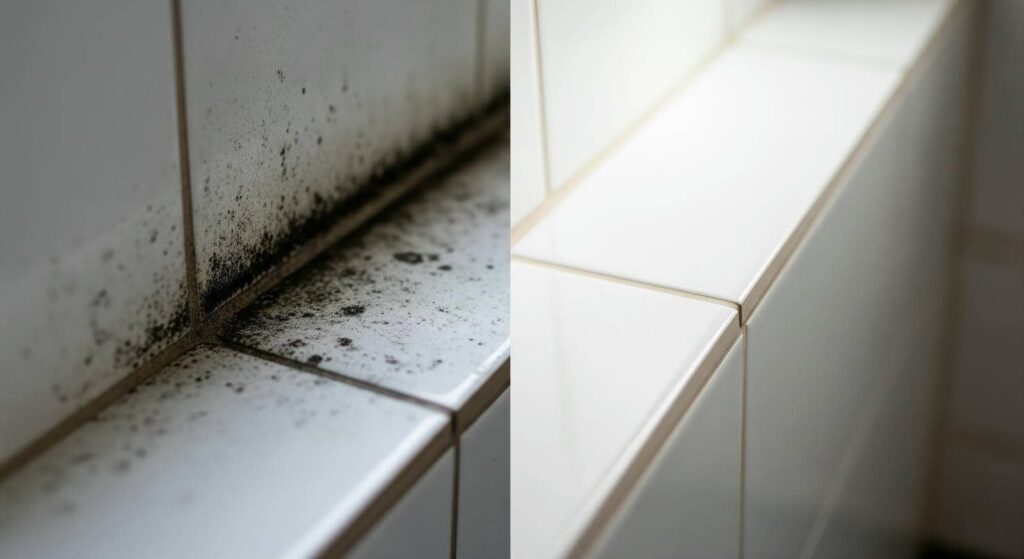
Mold Removal Strategies and Best Practices
Although mold removal can seem intimidating, employing the right strategies and best practices ensures a successful cleanup.
Understanding effective remediation techniques is vital in combating mold growth and restoring your environment. Here are three essential steps you can take:
Identify and Isolate: Locate the source of moisture fueling mold growth and isolate the affected area to prevent cross-contamination.
Use Protective Gear: Equip yourself with appropriate protective gear, such as gloves and masks, to safeguard against harmful spores during the cleanup process.
Apply Effective Solutions: Utilize EPA-approved mold removal products or natural alternatives like vinegar and baking soda to treat affected surfaces thoroughly.
Preventing Future Mold Growth
To prevent future mold growth, it’s essential to focus on controlling moisture levels in your home.
Start by implementing effective humidity control measures. Aim to keep indoor humidity below 60% by using dehumidifiers in damp areas like basements and bathrooms. Regularly monitor humidity levels with a hygrometer to ensure you’re on track.
Next, prioritize ventilation improvements. Verify that spaces like kitchens and bathrooms are well-ventilated. Install exhaust fans to facilitate air circulation, especially during activities that generate steam. Open windows when the weather permits to promote fresh air flow.
Additionally, check for leaks and address them immediately. Water intrusion can lead to mold growth if left unattended.
When to Call in Professional Help
When should you consider calling in professional help for mold remediation? If you’ve encountered extensive mold damage, it’s essential to act swiftly.
Professional services can provide the emergency response necessary to protect your home and health. Here are three scenarios to keep in mind:
Severe Mold Infestation: If you notice mold covering more than 10 square feet, it’s time to seek expert help.
Health Concerns: If you or your family experience respiratory issues or allergic reactions, don’t hesitate to call in professionals.
Water Damage: After significant flooding or sewage backup, it’s imperative to address potential mold growth immediately.
In these situations, relying on trained professionals ensures proper remediation and minimizes long-term damage.
Don’t let mold compromise your living environment; you’re not alone in this—getting help is a sign of strength and responsibility.
Frequently Asked Questions
How Can I Identify Hidden Mold in My Home?
To identify hidden mold, use mold detection methods like moisture meters and infrared cameras. Check for hidden moisture sources, such as leaks and damp areas. Regular inspections can help you catch mold before it spreads.
What Are the Health Risks Associated With Sewage Exposure?
Sewage exposure can lead to serious health symptoms, including gastrointestinal issues, respiratory problems, and skin infections. You should prioritize safety and seek immediate medical attention if you experience any discomfort after such exposure.
Can I Use Household Cleaners for Sewage Cleanup?
Using household cleaners for sewage cleanup is like using a Band-Aid on a deep wound; they aren’t effective against sewage hazards. Always prioritize proper precautions and specialized cleaners to ensure safety and thorough sanitation.
How Long Does Mold Remediation Typically Take?
Mold remediation typically takes one to five days, depending on the extent of mold growth and the remediation process. You’ll want to ensure thoroughness, as a quick fix may lead to future issues.
What Insurance Covers Sewage Cleanup and Mold Remediation Costs?
Imagine a sturdy ship weathering a storm; your insurance policy can be that ship. Most homeowners’ insurance covers sewage cleanup and mold remediation, but be mindful of coverage limits to ensure you’re adequately protected.
Wrap-Up
In the aftermath of sewage damage, your home may feel like a battleground against unseen invaders. By following these essential tips for cleanup and mold remediation, you reclaim your space and safety. Remember, vigilance is your ally; thorough assessments and proper techniques can turn the tide against contamination. If the task feels overwhelming, don’t hesitate to summon the experts. Your sanctuary deserves restoration, and with the right approach, you can breathe easy and reclaim the comfort of home.
Recent Posts
Sewage Spill Cleanup Services for Flooded Spaces
After a basement sewage backup in your laundry room, you need to act fast to
What Is a Sewage Spill Remediation Company?
If your basement backs up with sewage after a heavy storm, you need more than
Emergency Flood Cleanup for Water Damage Response
If you lose power just as water starts rising, you have a flood response problem