
Contents
Imagine discovering black mold in your basement after a heavy rain. It’s a common scenario that can lead to health issues and property damage if not handled correctly. You need to assess the extent of the infestation and take essential safety precautions before starting the removal process. Knowing the right techniques can make all the difference in effectively eliminating the problem and preventing future growth. What steps should you take next?
Key Takeaways
- Inspect and identify mold-prone areas, including basements and bathrooms, to locate visible and hidden mold growth.
- Use natural solutions like undiluted vinegar and baking soda for effective mold elimination without harsh chemicals.
- Consider chemical treatments with specialized mold remediation products, bleach, or hydrogen peroxide for stubborn infestations.
- Prioritize safety by wearing protective gear and ensuring proper ventilation during the mold removal process.
- Implement preventive measures such as controlling moisture levels and using dehumidifiers to inhibit future mold growth.
Assessing the Extent of Black Mold Infestation
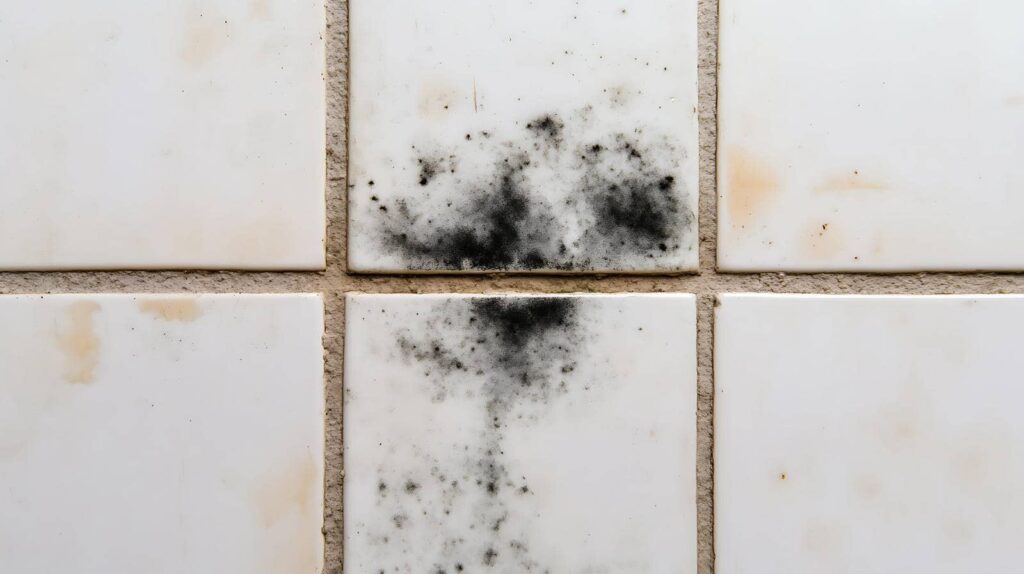
How can you accurately assess the extent of a black mold infestation in your home? Start by inspecting areas prone to moisture, such as basements, bathrooms, and behind appliances. Look for visible mold growth, which can appear as black spots or patches.
Don’t forget to check hidden spaces, like under carpets or inside walls, as mold often thrives where it’s unseen.
Next, consider any symptoms you or your family might experience, such as respiratory issues, allergic reactions, or unexplained fatigue. These health risks can indicate significant mold exposure.
Additionally, pay attention to any musty odors; they can signal hidden mold colonies.
If you suspect extensive mold, a professional assessment may be necessary. They can provide accurate testing and evaluate the situation.
Essential Safety Precautions Before Starting Removal
Before you begin the removal process, it’s essential to prioritize your safety by taking important precautions. Start by equipping yourself with appropriate protective gear, including gloves, goggles, and an N95 respirator mask. This gear will shield you from mold spores and harmful particles during the removal process.
Next, ensure proper ventilation measures are in place. Open windows and doors to create airflow, or use fans to circulate fresh air throughout the space. This not only helps reduce the concentration of airborne spores but also minimizes your exposure to potentially toxic substances.
Additionally, consider sealing off the affected area with plastic sheeting to prevent spores from spreading to other parts of your home. Taking these steps will protect your health and make the removal process more effective.
Your safety is the priority, so don’t overlook these critical precautions before tackling the mold issue.
Natural Solutions for Black Mold Elimination
Once you’ve ensured a safe environment, you can explore natural solutions to eliminate black mold effectively.
One of the simplest and most effective methods is using a vinegar solution. Vinegar’s natural acidity helps to kill mold spores on contact. Just spray undiluted white vinegar directly onto the affected areas, let it sit for an hour, and then wipe clean.
Another powerful option is baking soda. Mix one-quarter tablespoon of baking soda with water in a spray bottle, shake it well, and spray it on the moldy surface. This not only helps eliminate mold but also absorbs moisture, preventing future growth.
After scrubbing the area, rinse with water and let it dry completely to minimize moisture buildup.
Chemical Treatments for Effective Mold Removal
While natural solutions can be effective, sometimes you need the power of chemical treatments to tackle severe mold infestations. For thorough mold removal, consider using specialized mold remediation products that are designed to penetrate and eliminate mold at its source.
These products often contain powerful agents like bleach or hydrogen peroxide, which can effectively kill mold spores.
However, chemical safety is essential when using these treatments. Always read labels carefully and follow the manufacturer’s instructions to ensure safe use.
Wear protective gear, such as gloves and masks, to shield yourself from harmful fumes. Ventilate the area well, and keep children and pets away during treatment.
Preventing Future Mold Growth in Your Home
After addressing mold infestations with chemical treatments, it’s important to implement strategies that prevent future growth.
Start with mold prevention by controlling moisture levels in your home. Regularly check areas prone to dampness, such as basements, bathrooms, and kitchens. Fix leaks promptly and consider using a dehumidifier to maintain ideal humidity levels below 60%.
Next, focus on ventilation improvement. Verify your home is well-ventilated by opening windows when possible and using exhaust fans in high-moisture areas. This helps to dissipate humidity and reduce condensation.
Additionally, inspect your roof and gutters regularly to prevent water accumulation, which can lead to mold growth.
Finally, consider using mold-resistant products during home renovations. By being proactive and implementing these strategies, you’ll create a healthier environment for you and your loved ones, greatly reducing the chances of mold returning.
Frequently Asked Questions
How Can I Tell if Mold Is Toxic or Not?
To determine if mold is toxic, use mold identification techniques like visual inspection and air sampling. Watch for toxic mold symptoms such as respiratory issues or skin irritation. If unsure, consult a professional for an accurate assessment.
Can I Remove Black Mold Myself, or Should I Hire a Professional?
You can remove black mold yourself using DIY methods, but hiring professional services ensures thoroughness and safety. Assess your situation; if it’s extensive, professionals might be a better choice for effective, long-lasting results.
What Are the Long-Term Health Effects of Black Mold Exposure?
Exposure to black mold can be like a silent thief, stealing your health. You might experience respiratory issues, fatigue, or allergic reactions. Timely mold remediation can help prevent these long-term health symptoms from worsening.
How Quickly Can Black Mold Grow in Damp Conditions?
Black mold can start growing within 24 to 48 hours in damp environments. If you notice moisture, it’s vital to act quickly to prevent extensive mold growth, which can pose serious health risks for you and your family.
Is It Safe to Stay in My Home During Mold Removal?
During mold removal, it’s not safe to stay in your home. You should prioritize mold removal precautions to ensure safe living conditions. Leave while professionals work, and return only once the air is clear and safe.
Summary
In the grand theater of homeownership, black mold plays the villain, lurking in the shadows and plotting its takeover. But fear not, intrepid homeowner! Armed with vinegar, baking soda, and perhaps a touch of bleach, you can banish this unwelcome guest. Just remember, it’s not just about the dramatic removal; it’s about keeping your stage (aka your home) mold-free for the encore. So, keep moisture at bay and watch out for those sneaky spores ready for their comeback!
Recent Posts
Top Tips to Prevent Future Water Damage
Water damage can lead to costly repairs and headaches if you’re not proactive. By regularly
How to Prevent Future Water Damage Today
Water damage emergencies occur across the U.S. every day, underscoring the importance of taking proactive
3 Best Practices for Home Flood Prevention
Home flooding can cause significant damage and stress, but you can take proactive steps to