
Contents
When water damage strikes, knowing effective emergency extraction methods can save you time and money. You need to act quickly, starting by identifying the source and stopping it. Using the right tools is essential for swift removal. But it doesn’t end there; residual moisture can lead to mold and further issues. Understanding each step can make a significant difference in the outcome. So, what’s the best approach to tackle this urgent situation?
Key Takeaways
- Stop the Source: Identify and eliminate the source of water damage to prevent further flooding.
- Use a Sump Pump: Deploy a sump pump for efficient removal of large volumes of water, especially in basements.
- Wet Vacuum Technique: Utilize a wet vacuum to extract smaller puddles and residual moisture effectively.
- Enhance Airflow: Open windows and use fans to promote airflow, aiding in rapid drying and mold prevention.
- Safety First: Wear protective gear and ensure the area is free from electrical hazards before proceeding with extraction.
Why Emergency Water Extraction Matters for Homeowners
When unexpected water damage strikes, understanding the importance of emergency water extraction becomes essential for homeowners. Quick action can greatly reduce the extent of damage, preserving your property’s value and integrity.
Water can seep into walls, flooring, and personal belongings, leading to mold growth and structural issues if not addressed promptly. By prioritizing emergency extraction, you ensure that your home remains safe and livable, fostering a sense of security for your family.
Additionally, timely intervention can minimize costly repairs down the line, making it a smart investment in property preservation. Remember, the sooner you act, the better your chances are of preventing long-term damage and maintaining a comfortable living environment.
Must-Have Tools for Quick Water Removal
After understanding the urgency of emergency water extraction, having the right tools on hand can greatly enhance your response efforts.
First, a sump pump is essential for quickly removing large volumes of water, especially from basements. Wet vacuums are also invaluable, allowing you to tackle smaller puddles and residual moisture effectively.
Don’t overlook the importance of quality water hoses; they help direct water away from your property, minimizing further damage.
Finally, dehumidifiers are vital for reducing humidity levels and preventing mold growth after extraction.
How to Extract Water From Your Home: a Step-By-Step Guide
Extracting water from your home efficiently requires a clear, methodical approach to minimize damage and restore your space.
First, identify the source of water damage and stop it if possible.
Next, gather your tools: a wet/dry vacuum, mops, and towels.
Begin using extraction techniques by vacuuming up standing water, focusing on the most affected areas.
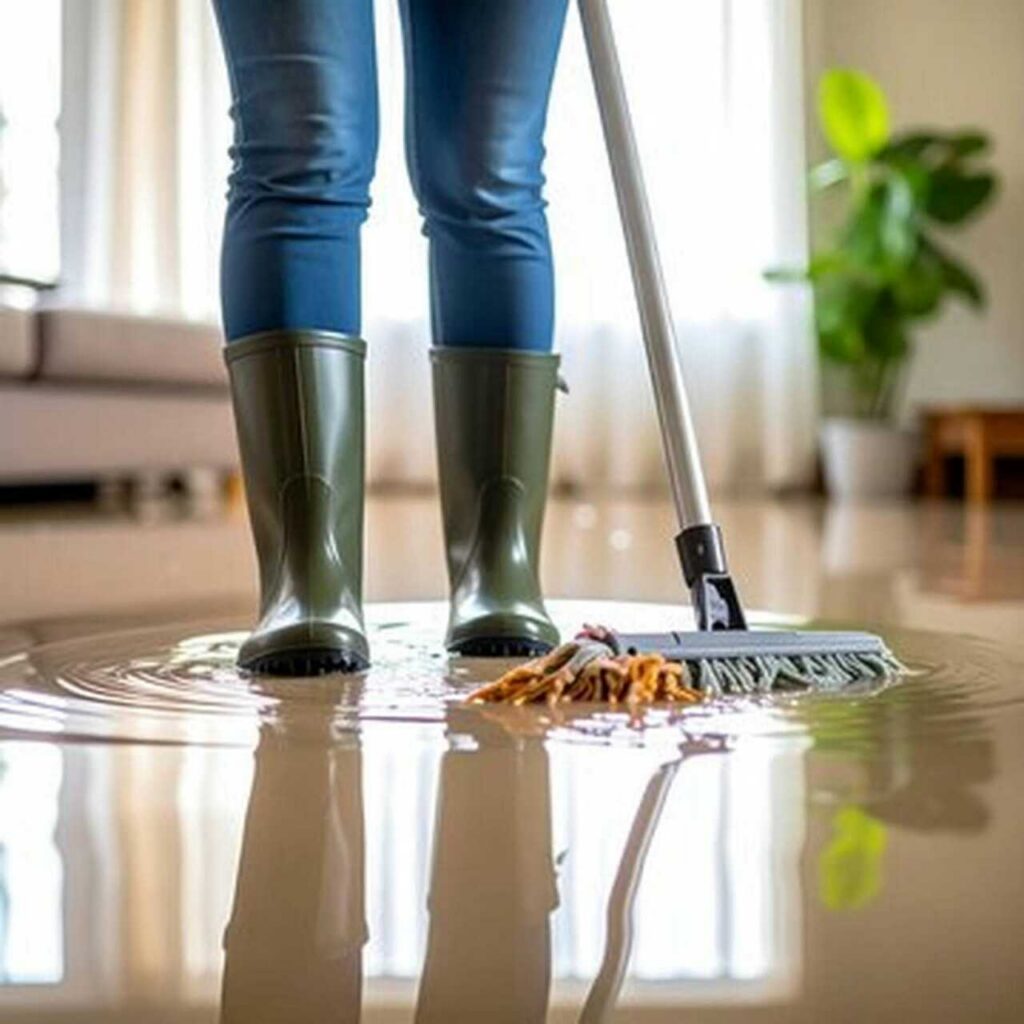
After that, mop up residual moisture to ensure thorough drying.
Open windows and use fans to enhance airflow, facilitating evaporation.
Check for hidden pockets of water in walls or floors; consider using a dehumidifier if necessary.
Finally, monitor the area for signs of mold growth.
Following these steps can greatly reduce water damage and help you reclaim your home.
Safety Precautions During Water Extraction
Even in the midst of a water extraction crisis, prioritizing safety is essential to prevent injuries or further damage. Start by wearing personal protective equipment like gloves, boots, and masks to shield yourself from contaminants.
Verify your workspace is clear of hazards, and never enter standing water without first checking for electrical risks. When handling equipment, maintain a firm grip and follow all manufacturer guidelines to avoid accidents.
Keep your environment well-ventilated to reduce exposure to mold and mildew. Be mindful of your physical limits; lifting heavy items can lead to injury.
When to Call in Professional Water Extraction Services?
Recognizing when to call in professional water extraction services can greatly impact the outcome of your situation.
If you’re facing significant flood damage, waiting too long can lead to mold growth and further structural issues. If the water level exceeds a few inches or involves contaminated water, it’s essential to get experts involved immediately.
Professionals have the right equipment and experience to handle complex situations, ensuring a thorough extraction. Additionally, their expertise can simplify your insurance claims process, providing documentation that insurers often require.
If you’re unsure about the extent of the damage, trust your instincts; it’s better to be safe than sorry. Knowing when to seek help can save you time, money, and stress in the long run.
Frequently Asked Questions
How Can I Prevent Water Damage Before It Occurs?
You can prevent water damage by installing efficient drainage systems and moisture barriers. Sure, ignoring them might make your home feel like an aquarium, but who needs fish when you’ve got style? Stay dry!
What Types of Insurance Cover Water Extraction Costs?
Flood insurance typically covers water extraction costs, while standard homeowner policies may include limited coverage for specific situations. It’s essential to review your policy details to ensure you’re adequately protected against potential water damage.
Are There Any DIY Solutions for Minor Water Issues?
If your basement floods after heavy rain, using a sump pump can quickly remove standing water. For smaller spills, a wet vac’s suction power helps you tackle minor issues effectively, reclaiming your space with ease.
How Long Does It Take for a Home to Dry Completely?
It typically takes three to five days for a home to dry completely, depending on the drying process and moisture levels. Proper ventilation and dehumidifiers can expedite this, helping you reclaim your space sooner.
What Signs Indicate Mold Growth After Water Exposure?
If you spot dark spots, a musty smell, or peeling paint, those are signs of mold growth. Timely mold identification and growth prevention can save your home and health from serious damage. Don’t ignore these warnings!
Recap
In the face of water damage, acting swiftly can be the lifeline your home needs. By utilizing the right tools and techniques, you can turn the tide against moisture and mold. Remember, your safety is paramount—like a sturdy life raft in turbulent seas. If the situation feels overwhelming, don’t hesitate to call in the professionals. They’re your navigators, guiding you through the storm. Stay proactive, and your home will remain a sanctuary, not a soggy shipwreck.
Recent Posts
Why Safeguard Your Property From Flooding Risks?
Many homeowners underestimate the likelihood of flooding in their area, often believing it won’t happen
7 Ways to Protect Your Property From Flooding
Imagine standing on your porch, watching floodwaters creep closer to your home, threatening everything you’ve
5 Best Ways to Protect Your Property From Flooding
Many homeowners underestimate the risk of flooding, believing their properties are safe. However, even minor