
Contents
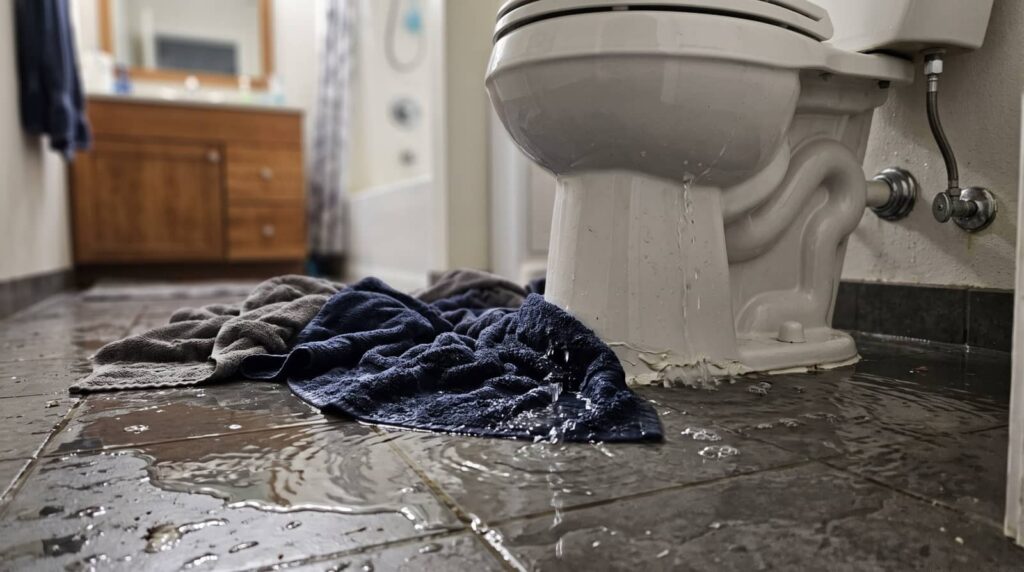
After a sewage flood, you need to act fast, but safely. First, stop the backup if you can do so without risk, then document the damage with photos and a list of affected items. Next, remove standing water, disinfect all contaminated surfaces, and dry the area quickly to limit mold growth. There are a few critical steps that can make the difference between a temporary cleanup and a costly problem.
Key Takeaways
- Stop using sinks, toilets, and drains, and shut off sewage flow if you can do so safely.
- Keep out of contaminated water, wear gloves and boots, and call a plumber if gas or electrical hazards are present.
- Photograph and video all damage, and list ruined items for insurance and cleanup records.
- Remove standing sewage water only after power is off, using safe pumping or professional help if needed.
- Clean, disinfect, and dry affected areas quickly to prevent mold, discarding porous items that cannot be sanitized.
Stop Sewage Backup Safely
Before you do anything else, stop the flow of sewage if you can do so safely.
If you can reach the main shutoff or cleanout without stepping into contaminated water, turn it off and keep everyone away from the area. Don’t use sinks, toilets, or drains until you’ve isolated the backup.
If wastewater is rising from a single fixture, stop using connected plumbing right away. Wear gloves and boots if you must move nearby, but don’t wade through sewage.
These preventive measures help limit spread and reduce health risks.
If you smell gas, see electrical outlets near water, or can’t identify the source, leave the space and call a licensed plumber or utility service.
You’re not handling this alone; taking calm, quick action protects your household and your home.
Document the Sewage Damage
Once the area is safe, document the sewage damage as thoroughly as you can. Take clear photos and video of every affected room, surface, fixture, and item from multiple angles.
Capture wide shots for context and close-ups for damage assessment. Write down dates, times, odors, waterlines, and any visible staining or residue.
Make a room-by-room inventory of items damaged or discarded, including model numbers, approximate age, and purchase details if you have them.
Save receipts, service records, and prior photos to support insurance claims. Keep copies of everything in both digital and paper form.
If you’re unsure what matters, record it anyway; thorough notes help your team and your insurer understand the full extent of the loss.
Remove Standing Sewage Water
Pump out the standing sewage water as soon as it’s safe to do so, because the longer it sits, the more damage and contamination it can cause.
You should turn off power to affected areas first and follow safety precautions before entering. Use a submersible pump, wet vacuum, or siphoning setup to remove the water steadily, keeping hoses directed away from clean spaces.
If the water is deep, extensive, or mixed with debris, call for professional assistance so you don’t expose yourself to unnecessary risk. Work from the outer edges toward the center to improve flow and reduce spreading.
Stay alert for hidden hazards like slippery floors and weakened materials.
Once the water is gone, you’ll be ready for the next cleanup step with confidence and support.
Disinfect Sewage-Contaminated Areas
With the standing water removed, the next priority is disinfecting every sewage-contaminated surface to stop bacteria, viruses, and mold from spreading.
Put on gloves, boots, eye protection, and a respirator, then keep children and pets away while you work.
Scrub hard surfaces with hot water and detergent first, because soil reduces the power of disinfectants.
Then apply effective disinfectants labeled for sewage cleanup, following the contact time exactly so they can kill germs properly.
Focus on walls, floors, fixtures, and tools that touched contaminated water.
Rinse food-contact surfaces after disinfection, and discard porous items you can’t fully clean.
These safety precautions help you protect your home and everyone in it, and you’re not tackling this alone.
Dry the Basement to Prevent Mold
Now that the contaminated surfaces are disinfected, you need to dry the basement as quickly as possible to stop mold from taking hold. Open windows if weather allows, and run fans to move air across damp floors, walls, and corners.
Use a dehumidifier rated for your space, and empty it often so moisture control stays steady. Remove wet carpet, cardboard, and porous items that trap water and slow drying.
Check hidden areas behind storage, under stairs, and near baseboards, because mold can start there first. Keep the basement warm, but don’t overheat it. Measure humidity; aim for below 60%.
If you belong to a community recovery crew, share equipment and compare readings. Fast drying supports mold prevention and helps you reclaim a safer home.
Conclusion
After sewage flooding, you need to act fast and safely: stop the backup, document the damage, remove standing water, disinfect contaminated surfaces, and dry the area completely. Remember that just 1 inch of water can spread contamination quickly across a basement floor. Use fans, dehumidifiers, and ventilation to keep humidity below 60% so mold can’t take hold. If the mess is extensive or you’re unsure, call a professional right away.
Recent Posts
How to Remove Biohazard Spills Safely
A dark red spill on the floor can turn a routine space into a controlled
How to Cleanup a Flooded Lower Level
When your lower level floods, Flooded Lower Level cleanup needs to happen quickly and in
Sewage Spill Cleanup Services for Flooded Spaces
After a basement sewage backup in your laundry room, you need to act fast to