
Contents
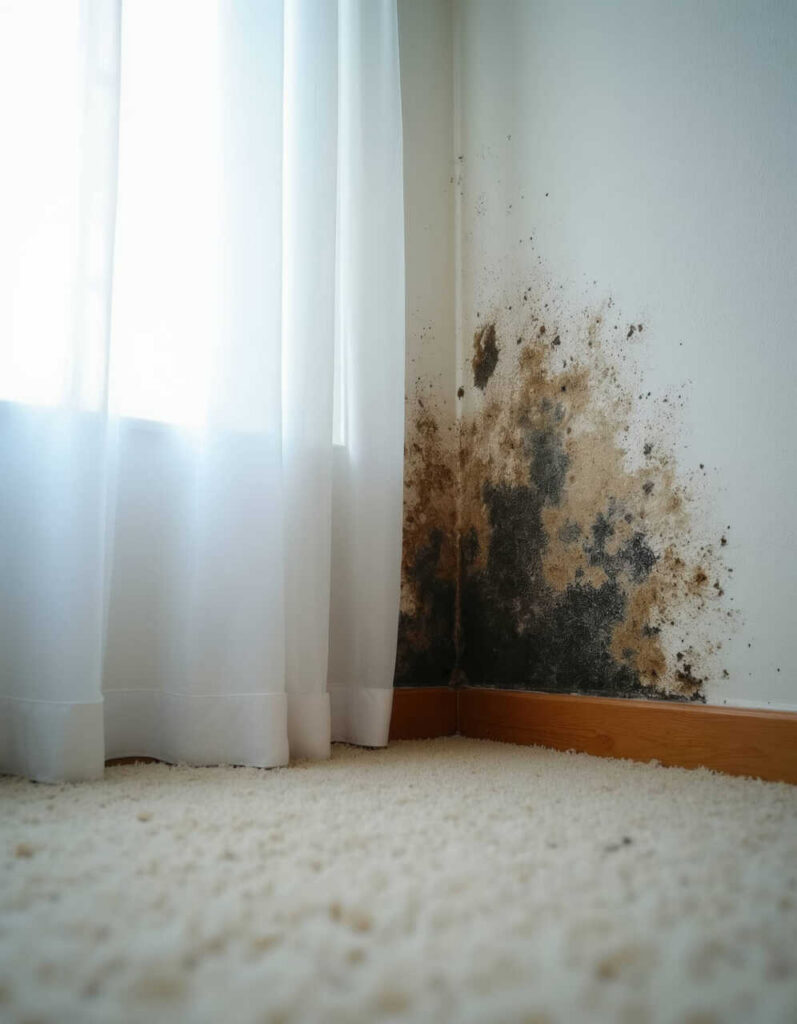
When mold shows up after water damage, you can’t treat it like a surface stain. You need certified mold cleanup because it isolates contamination, removes affected materials, and reduces the chance of hidden regrowth. If you wait or cut corners, moisture problems can spread behind walls, under floors, and into the air you breathe. The real issue isn’t just what you see now, but what a proper team can verify before the damage goes further.
Key Takeaways
- Certified mold cleanup contains contamination, preventing spores from spreading to unaffected areas.
- It identifies hidden moisture and sewage hazards that can keep mold growing after surface drying.
- Certified crews use documented removal, HEPA cleaning, and containment for safer, verifiable results.
- Post-cleanup air testing confirms indoor air quality and shows whether remediation was successful.
- Quick professional response reduces structural damage, health risks, and costly repeat mold problems.
Why Certified Mold Cleanup Matters After Sewage Spills
After a sewage spill, you’re not just dealing with visible contamination—you’re dealing with a high-risk environment where mold can develop quickly in porous materials, hidden cavities, and HVAC components.
Certified cleanup protects you by identifying sewage hazards, isolating affected zones, and removing contaminated materials before spores spread. You get a documented process that supports mold health, reduces cross-contamination, and verifies that hidden moisture’s gone.
Technicians use calibrated tools, containment, HEPA filtration, and antimicrobial protocols to restore sanitary conditions without guesswork. If you want to feel confident you belong in a safe, healthy space again, certified service gives you that standard.
It doesn’t just clean what you see; it addresses the conditions that let mold return, so you can move forward with greater assurance.
Why Emergency Water Cleanup Must Happen Fast
When water intrusion hits, every minute increases the chance of structural damage, microbial growth, and hidden contamination in walls, floors, insulation, and HVAC systems.
You need emergency response fast because water damage spreads laterally, wicks into porous materials, and weakens assemblies before you can see the full scope.
A certified crew can isolate the source, extract standing water, and deploy controlled drying to reduce moisture levels to safe targets. That speed helps you protect your property, your schedule, and your peace of mind as part of a community that values swift action.
Delays let materials swell, corrode, and delaminate, driving up repair costs and extending downtime.
Quick cleanup also creates the documentation you need for claims, planning, and informed next steps.
How Sewage Water Turns Into a Mold Problem
Sewage water creates a mold problem because it delivers moisture, organic matter, and microbes in one event, giving mold an immediate food source and ideal growth conditions.
When sewage contamination soaks porous materials, you can’t rely on surface drying alone; hidden moisture remains inside drywall, flooring, and insulation. That trapped water keeps mold growth active, often within 24 to 48 hours.
You’re dealing with a mixed hazard: bacteria, nutrients, and damp surfaces that work together to accelerate colonization.
If you’re protecting your household, you need a response that treats the affected area as contaminated until proven otherwise.
Certified mold cleanup helps you address the conditions mold needs, so your space can return to a safe, healthy state for everyone inside.
How Biohazard Sewage Removal Protects Your Home
Because sewage exposure carries both biological contaminants and moisture, biohazard removal protects your home by eliminating the source before it spreads through porous materials and hidden cavities. You reduce sewage contamination fast, and you lower health risks for everyone inside.
A certified team isolates the affected area, removes hazardous waste, disinfects surfaces with appropriate agents, and verifies that no residual contamination remains.
- Contain the spill immediately.
- Extract contaminated water and debris.
- Clean and disinfect all exposed materials.
- Confirm safe conditions before reentry.
You’re not just restoring space; you’re protecting the standards your household deserves. This process helps you reclaim a safe, sanitary environment with confidence, so your home stays secure, compliant, and ready for daily life.
What Certified Mold Cleanup Covers in Basements
Certified mold cleanup in basements starts with identifying moisture sources such as seepage, condensation, and plumbing leaks, since uncontrolled humidity drives mold growth.
You then remove hidden mold from wall cavities, under flooring, and around structural components where contamination often spreads unnoticed.
Proper cleanup also requires containment and controlled drying to limit spore dispersion and restore safe moisture levels.
Basement Moisture Sources
Even a small basement leak can drive mold growth when water stays trapped against concrete, framing, or stored materials. You need to identify every moisture source to protect your space and keep your household aligned.
Certified cleanup teams evaluate:
- foundation seepage at cracks and wall joints
- plumbing leaks behind finished surfaces or near sump systems
- condensation from cold pipes, ducts, and uninsulated surfaces
- humidity intrusion from poor airflow, grading, or exterior drainage
With moisture control and humidity management, you reduce conditions that feed fungal growth.
You also get documentation, targeted drying, and verified correction of the source, not just surface treatment. That’s how you keep your basement stable, safe, and ready for your family’s use.
Hidden Mold Removal
Hidden mold often grows behind drywall, under insulation, along sill plates, and inside cavity spaces where surface cleaning can’t reach.
You need certified cleanup to locate these hidden hazards with inspection tools, then remove affected materials with controlled demolition.
You also get targeted cleaning of framing, masonry, and subfloor edges so spores don’t linger in protected voids.
This process matters because basement mold can elevate health risks for your household, especially if you already notice odors, dampness, or allergic symptoms.
Certified crews document what they remove, verify exposed areas are clean, and tell you which materials must be discarded versus restored.
That gives you a clear, professional path back to a safer basement and helps you feel confident your home’s hidden problems are finally addressed.
Containment And Drying
Containment keeps basement mold cleanup from spreading contamination while crews dry the space to stop conditions that support regrowth.
You get certified control measures that isolate affected zones, protect shared air, and preserve your home’s structure. Crews use containment strategies to seal openings, run negative air, and guide traffic so spores don’t migrate.
Then they apply drying techniques that remove moisture from framing, concrete, and insulation before mold can return.
- Seal work areas with barriers.
- Filter air with HEPA equipment.
- Measure moisture until readings normalize.
- Verify dryness before clearance.
When you choose certified cleanup, you join homeowners who expect disciplined containment, documented drying, and a basement that’s safe to reoccupy.
What Certified Mold Remediation Does Differently
Certified mold remediation uses source containment methods to isolate affected areas and prevent spore spread during work.
You’ll also see verified removal protocols that confirm contaminated materials are removed and surfaces are cleaned to standard.
After cleanup, post-remediation air testing checks whether airborne mold levels meet acceptable clearance criteria.
Source Containment Methods
When mold remediation starts, certified technicians isolate the affected area with physical barriers, negative air pressure, and controlled airflow so spores stay confined and don’t spread to clean spaces.
You benefit from source prevention strategies that target the moisture and access points sustaining growth. Certified teams use containment technologies to seal seams, monitor pressure, and preserve clean zones.
Their process is deliberate:
- Install critical barriers around the source.
- Maintain directional airflow away from occupied areas.
- Verify containment integrity with continuous checks.
- Restrict entry until conditions stay stable.
This disciplined setup protects your home, supports your team’s confidence, and reduces cross-contamination risk.
You’re not just getting cleanup; you’re getting controlled, expert isolation that keeps the problem where it started.
Verified Removal Protocols
After containment is in place, certified technicians follow a verified removal protocol that strips mold from affected materials without dispersing additional spores.
You get disciplined demolition, controlled bagging, and immediate disposal of porous items that can’t be restored. Technicians HEPA-vacuum surfaces, clean with EPA-registered agents, and document each step so your remediation stays traceable and repeatable.
They use mold testing to guide scope decisions, not guesswork, so you’re not paying for unnecessary removal or leaving hidden growth behind.
You also benefit from prevention strategies built into the process: moisture-source correction, material selection, and drying benchmarks that reduce recurrence.
Because every task follows a defined sequence, you’re working with a team that protects your space, your neighbors, and your confidence in the result.
Post-Cleanup Air Testing
Once cleanup is complete, certified teams verify indoor air quality with post-remediation air testing that checks whether spore levels have returned to acceptable baseline conditions.
You get objective confirmation, not assumptions, because technicians collect samples from affected and control areas, then compare results against established criteria. This step protects your space and supports confidence in your recovery process.
- Air sampling measures airborne spores.
- Surface checks confirm no hidden residue.
- Results validate post cleanup protocols.
- Clearance data documents restored air quality.
If readings stay elevated, the team expands source tracing, adjusts containment, and retests until conditions meet clearance standards.
That’s how you stay informed, protected, and aligned with a certified process built for your home or facility.
When Basement Flood Cleanup Needs a Pro
Even a minor basement flood can create conditions that require professional remediation, especially if water sits for more than 24 to 48 hours or has come into contact with sewage, soil, or contaminated building materials.
You’re facing more than visible flood damage; hidden moisture can migrate into framing, insulation, and subflooring. At that point, a professional assessment helps you determine whether drying alone is enough or whether demolition is necessary.
Certified crews use restoration techniques such as moisture mapping, controlled extraction, dehumidification, and antimicrobial treatment to limit structural decay. They also follow safety protocols that protect you from biohazards, electrical risks, and airborne contaminants.
If the water line reached drywall or HVAC components, don’t wait. You’ll get faster, safer results when trained technicians handle the cleanup for your home.
How To Choose a Certified Mold Cleanup Team
How do you choose the right certified mold cleanup team? You should verify contractor qualifications, confirm third-party certification, and demand documented mold inspection techniques before work begins.
A qualified team will explain containment, air filtration, and source removal in clear terms, so you know you’re in capable hands.
- Check licenses, insurance, and training records.
- Ask for moisture mapping and laboratory-based mold inspection techniques.
- Require a written remediation plan with clear containment steps.
- Confirm post-cleanup verification and warranty coverage.
You belong with professionals who measure, isolate, remove, and verify—not guess.
Choose a crew that communicates directly, documents every step, and protects your home’s structure and indoor air quality.
Review
When you act quickly, certified mold cleanup keeps your home from becoming a breeding ground for hidden contamination. You protect your basement, your air, and your family by stopping moisture, isolating damage, and removing tainted materials before mold can spread like wildfire. A certified team documents every step, verifies safe conditions, and leaves no room for guesswork. In this work, precision isn’t optional—it’s your shield against recurring damage and future health risks.
Recent Posts
What to Do After Sewage Mold Cleanup
After sewage mold cleanup, the real risk may still be hidden in the structure, air,
5 Best Mold Remediation After Flooding
After flooding, you need to move fast or mold can take hold within 24 to
Basement Flood Mold Cleanup by Experts
If your basement has flooded and mold is already forming, you need to act quickly