
Contents
After a basement flood in Houston, you might see musty odors, dark wall staining, and warped drywall within days. Certified mold remediation after flood uses trained inspection, containment, controlled removal, drying, and verification to stop spread and reduce hidden contamination. If you want to know what makes the process different from basic cleanup, the key is in the testing, documentation, and clearance standards that follow.
Key Takeaways
- Certified mold remediation after a flood is a documented process to remove mold, dry materials, and restore safe indoor conditions.
- It begins with inspection, moisture monitoring, and identifying hidden contamination in drywall, insulation, plywood, and other porous materials.
- Trained technicians use containment, filtration, and controlled removal to prevent spores from spreading during cleanup.
- Damaged materials that cannot dry within 24 to 48 hours are removed, disinfected areas are cleaned, and moisture sources are corrected.
- Independent post-remediation verification confirms the space is dry, safe, and meets clearance standards before normal use.
Signs Your Basement Needs Mold Remediation
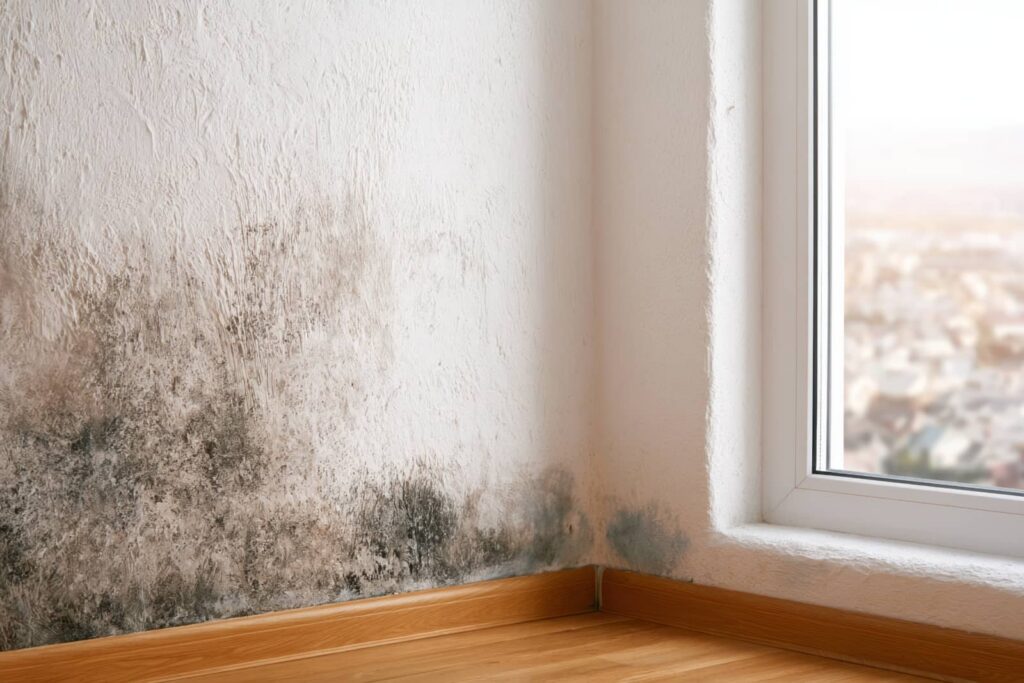
A damp basement often reveals its trouble through clear warning signs: persistent musty odors, visible mold growth on walls or stored items, peeling paint, warped flooring, and recurring condensation on cold surfaces.
You should treat these clues as a trigger for a professional basement inspection, not as isolated nuisances. If you notice staining, softened drywall, or recurring allergy symptoms when you enter the space, you likely have conditions that support active growth.
Effective humidity control matters because excess moisture lets colonies spread behind finishes and inside hidden cavities. You belong to a home environment that feels clean and stable, and early action protects that standard.
Certified remediation teams assess source, extent, and air quality, then recommend targeted removal and prevention steps that restore confidence.
How Flood Water Leads to Mold
After floodwater recedes, it often leaves behind persistent moisture in walls, subfloors, and insulation. That residual wetness creates the conditions mold needs to start.
You’ll also find that drywall, wood, carpet backing, and other organic materials absorb water and become a direct food source for fungal growth.
Under warm, humid conditions, mold can begin developing within 24 to 48 hours, so fast drying is critical.
Moisture After Flooding
When floodwater saturates building materials, it creates the persistent moisture mold needs to germinate and spread. You’re dealing with a time-sensitive moisture control problem because standing water and elevated humidity keep surfaces wet long after the visible flood recedes.
Immediate water extraction lowers the moisture load, but hidden dampness often remains in cavities, joints, and porous assemblies. That residual wetness sustains microbial growth and can raise indoor humidity above safe limits.
You need disciplined drying, dehumidification, and continuous moisture monitoring to interrupt that cycle. In a certified remediation program, your team measures material moisture content, verifies drying targets, and isolates affected areas to prevent cross-contamination.
When you act quickly and methodically, you protect your space and stay aligned with a proven recovery process.
Organic Materials At Risk
Floodwater drives mold risk highest in organic building materials because those substrates absorb and retain moisture while also supplying the nutrients mold needs to colonize.
You should treat drywall, plywood, OSB, paper-backed insulation, carpet padding, and unfinished wood as high-risk zones. Their porous structure increases material vulnerability, allowing water to penetrate deep into fibers and seams where drying slows.
As moisture persists, organic decay begins, weakening binders, adhesives, and surface integrity. That degradation creates ideal conditions for contamination that can spread beyond visible staining.
In certified remediation, you and your team identify these materials fast, separate salvageable from unsalvageable components, and prevent secondary contamination.
When you understand which organic materials fail first, you can protect the building envelope and your household with confidence.
Mold Growth Timeline
Within hours of a flood, moisture wicks into porous materials and mold spores begin germinating once surfaces stay damp, nutrient-rich, and above the threshold for drying.
You may see visible growth within 24 to 48 hours if environmental factors stay favorable, especially with warmth, poor ventilation, and trapped humidity.
By day 3, the mold lifecycle accelerates as hyphae penetrate drywall, wood, insulation, and fabrics, weakening materials from the inside.
If you belong to a home or business with hidden moisture, don’t wait for odor or staining alone.
Certified mold remediation after flood targets the timeline, not just the stain.
Rapid assessment, containment, drying, and source control interrupt spore activation, limit spread, and protect your shared indoor environment before contamination becomes entrenched.
What Certified Mold Remediation Means
Certified mold remediation means you follow a defined scope of work that meets recognized standards for containment, removal, and cleanup.
You use trained technicians who apply controlled methods to reduce spore spread and address contaminated materials safely.
After the work, you verify the result with post-remediation testing or inspection to confirm the area meets clearance criteria.
Certified Scope And Standards
When you hire a certified mold remediation team, you get a defined process that follows recognized industry standards for inspection, containment, removal, cleaning, drying, and clearance testing.
You’re protected by certified standards that set the scope, sequence, and documentation of every task after flood damage. These remediation guidelines define how far contamination can spread, what materials need removal, and what surfaces can be cleaned and verified.
You’ll know the work isn’t improvised; it’s measured against objective criteria that support your home’s recovery and your peace of mind.
Clear standards also help you understand what’s included, what’s excluded, and when the space is ready for safe reentry. That consistency gives you confidence and a shared framework with the team.
Trained Technicians And Methods
Trained technicians follow proven remediation methods that turn certified standards into controlled, repeatable work.
You get a crew that knows how to isolate affected areas, remove contaminated materials, and manage moisture with disciplined sequencing. They use mold identification techniques to distinguish visible growth, hidden spread, and material damage, so they can target the right surfaces without guesswork.
You’re also protected by remediation safety protocols that guide containment, personal protection, air control, and decontamination practices.
Because certified teams work from documented procedures, you can expect consistent handling of risks and clear coordination on site. That means you’re not left wondering who’s in charge or what happens next; you’re working with professionals who share a common standard and execute it with confidence.
Post-Remediation Verification
Once the crew has finished removal, cleaning, and moisture control, certified mold remediation doesn’t end there.
You still need post-remediation verification to confirm the space meets clearance standards. An independent inspector checks visible surfaces, hidden cavities, and humidity levels, then compares findings against the original scope.
This verification process validates that your remediation techniques actually eliminated contamination and that no active growth remains. If the inspector finds residual spores, damp materials, or poor airflow, you’ll need corrective work before reoccupying the area.
When the report shows acceptable conditions, you gain documented proof that the building is safe, dry, and ready for normal use.
That’s the standard you should expect, because certified work protects your team, your property, and your confidence.
Certified Mold Remediation Steps
Certified mold remediation starts with a controlled assessment so you can identify the source of moisture, the extent of contamination, and any materials that require removal.
Next, you contain the work area with barriers and negative pressure so spores don’t spread through your home.
You then remove damaged porous materials, clean remaining surfaces with approved remediation techniques, and dry the structure to verified moisture targets.
Throughout the process, you’ll protect occupants from health concerns by limiting exposure and handling waste in sealed containers.
After cleaning, you disinfect affected surfaces, correct the water entry point, and confirm stable humidity.
These steps help you restore a safe, functional space and give you confidence that the remediation met professional standards.
When To Call a Certified Team
You should call a certified team when floodwater has soaked drywall, insulation, subflooring, or other porous materials, or when visible mold keeps returning after drying efforts.
You also need help if odors persist, staining spreads, or occupants report coughing, headaches, or irritation.
A certified crew will perform a mold assessment, identify hidden growth, and determine whether contamination has reached structural cavities.
They’ll use containment, filtration, and safety protocols that reduce cross-contamination and protect everyone in the space.
If the affected area is large, if sewage was involved, or if you can’t verify complete drying, don’t wait.
You deserve a team that works with precision, documents conditions, and restores your property with confidence.
How To Prevent Mold After Cleanup
Even after cleanup, mold can return if moisture remains, so the priority is to dry the structure completely and keep humidity under control.
You should run dehumidifiers, increase ventilation, and verify moisture levels in walls, subfloors, and insulation with a calibrated meter.
Remove wet materials that can’t be fully dried within 24 to 48 hours. Clean all salvageable surfaces with detergent, then dry them again.
Keep indoor relative humidity below 60% and inspect hidden spaces daily for condensation or odors.
These mold prevention tips protect your home and your team’s recovery effort.
When you document effective drying, you reduce the chance of a hidden colony forming behind finishes.
Stay consistent, stay alert, and you’ll keep the space safe, stable, and ready for occupancy.
Wrap-Up
Certified mold remediation after a flood gives you a structured way to eliminate hidden growth and protect indoor air quality. You need trained specialists who contain the area, remove contaminated materials, dry affected spaces, and verify cleanup before reopening the space. Why risk a lingering contamination problem when certified teams can document and control every step? After remediation, you should monitor humidity and maintain dryness to stop mold from returning.
Recent Posts
Why Emergency Sewage Cleanup Matters Now
When wastewater enters your space, you’re dealing with more than an unpleasant mess. You’re facing
10 Emergency Sewage Cleanup Tips
A sewage spill is both urgent and manageable when you act in the right order:
What to Do After Sewage Flooding?
After a sewage flood, you need to act fast, but safely. First, stop the backup