
Contents
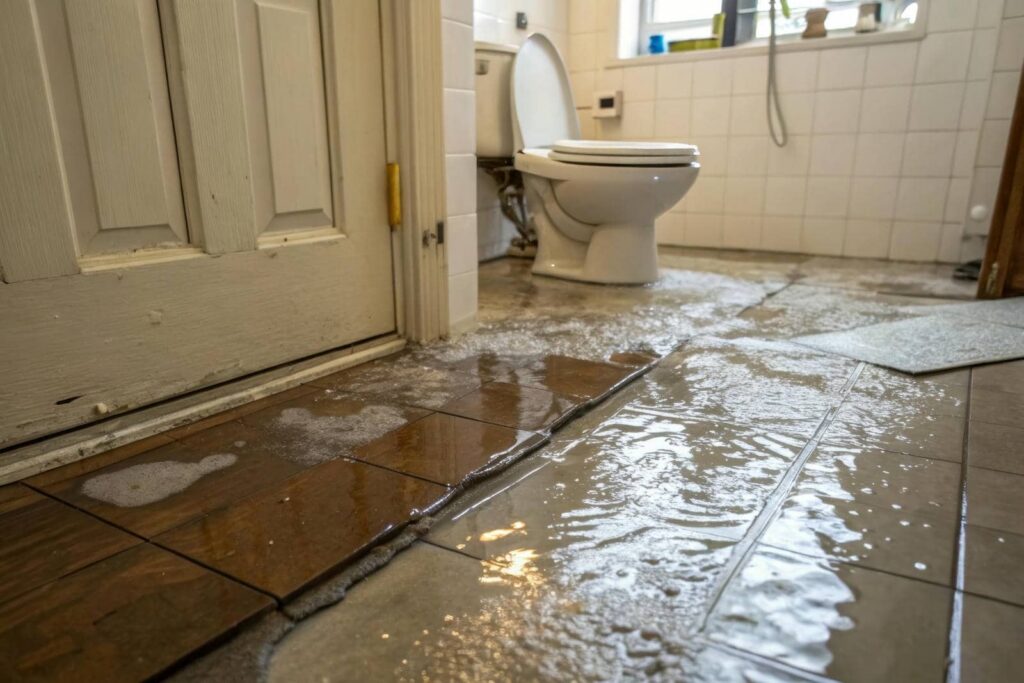
When sewage backs up in your home, you can’t afford to wait. The longer contaminated water sits, the faster it spreads through floors, walls, and hidden spaces, raising health risks and repair costs. You may notice foul odors, slow drains, or damp staining before major damage starts. Prompt cleanup helps limit contamination, but the real problem often runs deeper than what you can see.
Key Takeaways
- Quick sewage cleanup limits exposure to harmful bacteria, viruses, and parasites that can cause serious illness.
- Immediate action prevents contamination from spreading to floors, walls, and other household surfaces.
- Fast cleanup reduces structural damage by removing moisture before drywall, wood, and insulation deteriorate.
- Timely drying and disinfection help stop mold growth, which can begin within 24 to 48 hours.
- Acting early lowers repair costs and restores a safe, healthy, functional home faster.
Why Sewage Cleanup Can’t Wait
When sewage backs up into your home, you need to act immediately because every hour increases the risk of contamination, structural damage, and mold growth.
You’re dealing with sewage contamination that can spread through porous materials, compromise finishes, and create unsafe indoor conditions for your family. The longer you wait, the more cleanup expands from surface removal to deeper drying, disinfection, and demolition.
Quick response limits repair costs and helps protect the parts of your home you rely on every day. Restoration importance goes beyond appearance; it helps you regain a safe, functional space and reduces the chance of lingering odors and bacteria.
When you move fast, you give your household the best chance to recover cleanly and confidently.
Signs You Need Emergency Sewage Removal
Is sewage starting to show up where it shouldn’t? You need emergency removal when wastewater backs up into sinks, tubs, floor drains, or toilets.
Watch for foul odors that linger after cleaning, especially near drains or basements. If multiple fixtures drain slowly at once, or you hear gurgling after flushing, your line may be blocked.
Standing water around cleanouts, wet spots near the foundation, or sewage stains on floors also signal trouble. Don’t ignore frequent clogged drains, since they can point to a main line failure.
If you notice backups after heavy rain or from a lower-level drain, act fast. You’re not overreacting; you’re protecting your home system and helping your household stay on track.
Call a pro right away.
Health Risks of Sewage in Homes
Sewage in your home can expose you to harmful bacteria, viruses, and parasites that spread through contact, inhalation, or contaminated surfaces.
You face bacterial infections, respiratory issues, and skin irritations when you touch affected areas or breathe aerosolized waste. Water contamination can spread pathogens to sinks, floors, and stored items, raising toxic exposure risks.
Standing waste also drives pest attraction, which can add allergens and disease vectors to your space. If you stay in the environment, you may see long term effects such as chronic inflammation or recurring illness.
The stress can also affect your mental health, especially when you worry about your family’s safety and your home’s comfort. Acting quickly helps protect you and your household, and it supports a cleaner, safer place where you all can feel secure.
What to Expect During Sewage Cleanup
After you’ve identified the health risks, the cleanup process usually starts with an inspection and a safety assessment.
You’ll see professionals isolate the area, shut off affected systems, and wear protective gear. They’ll remove standing waste, then use cleanup equipment to extract moisture and contaminated debris.
Next, they’ll clean and disinfect surfaces with approved solutions, checking that levels meet safety standards. You can expect them to document conditions, explain each step, and answer your questions so you feel informed and included.
They’ll also monitor air quality and humidity to reduce lingering hazards. Throughout the cleanup process, you’ll notice a methodical, controlled pace designed to protect your household.
Afterward, they’ll confirm the space is stable and ready for the next phase.
How Sewage Damages Floors and Walls
When wastewater seeps into a home, it quickly penetrates porous floors and wall materials, weakening them from the inside out. You’ll notice floor deterioration as wood swells, laminate warps, and tile grout loosens.
Moisture also breaks down drywall, plaster, and baseboards, reducing wall integrity and causing soft spots, cracks, and staining. If you leave sewage in place, it can saturate subflooring and framing, making repairs more extensive and costly.
You need fast extraction, drying, and removal of damaged materials to stop structural decline. Acting quickly helps you protect your home’s stability and keep your space safe for everyone who lives there.
When you address contamination early, you’re not just cleaning; you’re restoring the surfaces your household depends on daily.
How Sewage Causes Hidden Mold Growth
When sewage seeps into wall cavities, it traps moisture behind walls where you can’t see it.
Sewage-soaked drywall, insulation, and wood hold contamination and create a food source for mold.
Mold can start growing within 24 to 48 hours, so you need fast cleanup to limit hidden damage.
Moisture Behind Walls
Sewage that seeps into wall cavities can leave insulation, drywall, and framing damp long after the visible mess is removed. You can’t always see that moisture, but mold can spread fast in concealed spaces and affect your home’s air.
Use moisture detection tools to check for elevated readings near baseboards, outlets, and trim. A careful wall inspection helps you spot staining, soft spots, or warped surfaces that signal hidden wetness.
If you catch the problem early, you reduce the chance of odor, respiratory irritation, and broader contamination. You also protect your household’s comfort and safety by acting before growth takes hold.
When you work with a qualified cleanup team, you get a clearer picture of what’s happening behind the wall and what needs immediate attention.
Sewage-Soaked Building Materials
Porous building materials can trap sewage deep inside their fibers and layers, creating a hidden reservoir of moisture that mold can exploit quickly.
You can’t always see the damage, but drywall, insulation, wood, and carpet padding absorb contaminated water fast. That sewage absorption carries nutrients and microbes into places you won’t reach with surface cleaning.
As materials stay wet, material degradation weakens their structure, softens adhesives, and opens more voids for trapped contamination.
You need to remove and replace affected components, not just dry them. If you leave them in place, you keep the conditions that support hidden mold growth and unhealthy indoor air.
Acting quickly protects your home, your repairs, and everyone who belongs there.
Mold Growth Timeline
Once sewage gets into a home, mold can start establishing itself fast. Within 24 to 48 hours, damp drywall, insulation, and subfloors give spores the moisture they need.
You may not see growth yet, but hidden colonies can spread behind walls, under flooring, and inside cabinets. Common mold types include Aspergillus, Penicillium, and Cladosporium, and sewage can also support more hazardous species in wet, low-airflow spaces.
If you wait, colonies release more spores and raise cleanup costs. You should dry materials quickly, remove contaminated porous items, and inspect concealed cavities.
Good ventilation, dehumidification, and professional cleaning are key prevention methods. When you act early, you protect your home, your health, and your peace of mind.
Why Professionals Remove Sewage Faster
Professionals remove sewage faster because they bring industrial extraction equipment, disinfectants, and containment tools that let them act immediately and work in sequence.
You get a crew that knows sewage removal techniques and uses professional equipment to locate the source, isolate the area, and pull out contaminated water without guesswork. They map the work, protect unaffected rooms, and keep each step tight, so you’re not waiting while the problem spreads.
Their training helps them handle wet materials, sanitize surfaces, and verify what still needs attention. That speed matters because sewage demands fast, disciplined action, not trial and error.
When you call a qualified team, you’re joining people who know the process, respect the urgency, and move with purpose.
How to Prevent More Damage After Sewage Cleanup
After sewage cleanup, you need to control moisture fast so hidden damage doesn’t spread. Open windows if weather allows, run dehumidifiers, and keep fans moving air across floors, walls, and trim.
Remove wet materials that can’t dry fully, and inspect seams, baseboards, and subfloors for trapped water. You should disinfect hard surfaces with approved cleaners, then monitor them daily for odor, staining, or soft spots.
Build preventative measures into your routine by checking plumbing joints, toilet seals, and drains for leaks. Keep an eye on humidity and fix any rise quickly.
Reliable post cleanup maintenance helps you stay ahead of mold, corrosion, and rot. When you act early, you protect your home’s structure and keep your household in a safer, cleaner space.
How Timely Cleanup Protects Your Home
Timely sewage cleanup limits how long contaminated water can soak into building materials, which helps you avoid deeper structural and health-related damage.
You protect your home by acting fast, isolating the area, and following preventive measures that stop moisture from spreading. Clean teams remove wastewater, disinfect surfaces, and dry framing before mold can take hold.
This keeps walls, subfloors, and insulation more stable, so your home maintenance stays manageable and your household feels safer.
- Stop exposure quickly.
- Remove soaked materials.
- Sanitize all affected surfaces.
- Dry and inspect hidden spaces.
When you respond early, you reduce repair costs and support a healthier living space for everyone in your home.
Frequently Asked Questions
Can I Stay in My Home During Sewage Cleanup?
Sometimes, you can stay, but you shouldn’t if there are health risks or heavy contamination. You’ll need professionals to assess the cleanup process, isolate affected areas, and tell you when it’s safe.
How Much Does Emergency Sewage Removal Typically Cost?
Emergency sewage removal typically costs $1,000-$5,000, and it can rise fast. You’ll see cost factors like contamination level, access, and repairs. With emergency services, you’re not left in the lurch during a crisis.
Does Homeowner’s Insurance Cover Sewage Cleanup Damage?
You’ll usually get insurance coverage for sewage damage only if your policy includes sewer backup or water backup protection; standard homeowner’s insurance often excludes it, so you should review endorsements and file claims quickly.
How Long Does Sewage Cleanup Usually Take?
Usually, you’re looking at 1–3 days for sewage cleanup duration; minor jobs finish faster, major losses take longer. You’ll reduce health risks by acting fast, and you’ll feel backed by a team that handles containment, drying, disinfection.
Should I Turn off My HVAC After a Sewage Backup?
Yes—turn off your HVAC after a sewage backup to protect HVAC safety and stop sewage odors from circulating. You’ll also reduce contamination spread. Keep vents closed, and call a licensed cleanup professional before restarting it.
Recap
If you notice a backed-up toilet or sewer smell, act right away. You can limit contamination, protect flooring and drywall, and reduce mold risk by calling a cleanup team fast. For example, if a basement drain overflows on Friday, waiting until Monday can turn a simple extraction into a major rebuild. When you respond quickly, you protect your home’s structure, lower repair costs, and keep your indoor environment safer for everyone.
Recent Posts
Emergency Flood Cleanup for Water Damage Response
If you lose power just as water starts rising, you have a flood response problem
7 Emergency Flood Cleanup Tips
You might not realize that floodwater can hide electrical hazards and structural damage even after
Why Mold Remediation Follows Flood Cleanup
Could it be true that flood cleanup alone leaves a hidden mold problem behind? You