
Contents
Storm damage can lead to hidden mold growth, posing serious health risks and structural issues. You need to assess the extent of the damage and take immediate action. From identifying moisture-prone areas to utilizing effective remediation techniques, every step counts. Understanding the essentials of proper mold remediation is vital for a safe recovery. Let’s explore the top tips that can help you effectively tackle mold after a storm and guarantee a healthier environment.
Key Takeaways
Assess Damage Promptly: Evaluate storm damage quickly to identify affected areas and use moisture measurement tools for accurate readings.
Wear Protective Gear: Always use gloves, goggles, and an N95 respirator to safeguard against harmful mold spores during remediation efforts.
Implement Water Removal: Use pumps or vacuums to extract water and ensure proper ventilation to promote airflow and reduce humidity levels.
Address Moisture Sources: Inspect for leaks and drainage issues, and rectify them to prevent future mold growth in your home.
Document and Notify Insurer: Thoroughly document damage and notify your insurance provider promptly to ensure coverage for mold-related claims.
Risks of Mold After Storm Damage
After a storm, when moisture seeps into your home, you increase the risk of mold growth considerably. Mold poses significant health risks, including respiratory issues and allergy triggers. The long-term effects can be severe, leading to persistent health problems if left unaddressed.
Environmental factors, such as humidity and temperature, create an ideal breeding ground for mold. It’s vital to implement prevention strategies, like rapid drying and proper ventilation, to minimize structural damage.
A thorough cleanup timeline is essential to guarantee no moisture remains. Following cleanup, consider post remediation testing to verify mold levels are safe.
Protecting your home and health requires vigilance—don’t underestimate the risks associated with mold after storm damage.
How to Identify Mold Growth in Your Home
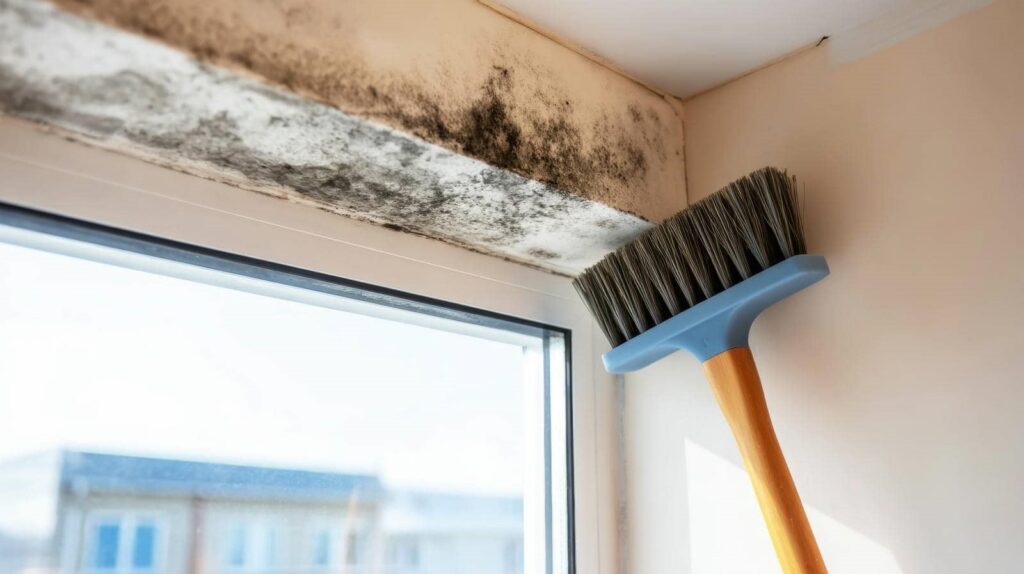
How can you quickly spot mold growth in your home? First, familiarize yourself with common mold types, such as black mold, which can pose health risks.
Look for visible signs, like dark spots on walls, ceilings, or under sinks. Use detection methods like a moisture meter to check damp areas, as mold thrives in humidity.
Pay attention to musty odors, often an early warning sign. Inspect hidden spaces, such as behind appliances or in crawl spaces, where moisture can accumulate.
If you discover mold, consider the extent of the growth to determine next steps. By staying vigilant and proactive, you can help protect your home and loved ones from the hazards of mold.
Essential Safety Precautions for Mold Remediation
Once you’ve identified mold growth in your home, prioritizing safety during remediation is essential. You’ll want to guarantee you’re protected while working to eliminate the issue.
Here are some essential safety precautions:
Wear personal protective gear: Use gloves, goggles, and an N95 respirator to shield yourself from mold spores.
Seal off the area: Close doors and windows to prevent spores from spreading to other parts of your home.
Ventilate the space: Turn on fans and open windows to promote airflow, helping to dissipate mold spores during cleanup.
Use safe cleanup practices: Opt for non-toxic cleaning solutions and guarantee you follow all manufacturer instructions for effective mold removal.
Steps to Remove Water and Moisture Effectively
To effectively remove water and moisture from your home, start by evaluating the extent of the damage and identifying affected areas.
Use moisture measurement techniques, like hygrometers, to determine humidity levels and pinpoint problem spots.
Next, implement appropriate water extraction methods; this can include pumps for large volumes or wet/dry vacuums for smaller areas.
Confirm you ventilate the space by opening windows or using fans to promote airflow.
After water removal, check for hidden moisture in walls and floors, as it can lead to mold growth.
Regularly monitor humidity levels to maintain a dry environment.
Choosing Effective Mold Remediation Products and Techniques
When tackling mold remediation, selecting the right products and techniques is essential for effective results.
Using eco-friendly products not only protects your health but also minimizes environmental impact.
Here are some advanced techniques to reflect upon:
Biological Cleaners: These use enzymes or bacteria to break down mold at a molecular level.
HEPA Filters: Employ these in vacuums to capture fine mold spores during cleanup.
Moisture Control: Utilize dehumidifiers to maintain low humidity, discouraging future growth.
Surface Treatments: Apply mold-resistant paints or sealants to affected areas to prevent recurrence.
When to Hire Professional Mold Remediation Services
Although you might be tempted to handle mold issues yourself, knowing when to hire professional mold remediation services is vital for guaranteeing safety and effectiveness.
If you identify extensive mold growth or multiple mold types, it’s important to seek expert help. Professionals can assess the situation accurately, preventing health risks associated with airborne spores.
Additionally, if you’re unsure about the source of moisture or struggle with persistent mold after cleaning, specialists can provide targeted solutions.
While remediation costs may seem high initially, they often save you money in the long run by preventing structural damage and future infestations.
Prioritizing safety and efficiency guarantees your home remains a healthy environment for you and your family.
Importance of Proper Ventilation During Cleanup
Proper ventilation is essential during mold cleanup to enhance airflow and reduce moisture levels.
By implementing effective moisture control strategies and utilizing appropriate equipment, you can greatly minimize mold growth.
Understanding these elements guarantees a safer and more efficient remediation process.
Enhanced Airflow Benefits
As you tackle mold remediation after storm damage, guaranteeing enhanced airflow is essential for effective cleanup and prevention of further mold growth.
Proper ventilation techniques and efficient airflow systems greatly reduce moisture levels, creating an inhospitable environment for mold.
Here are some key benefits of enhanced airflow:
Faster Drying: Increased air circulation speeds up the drying process, minimizing moisture retention.
Improved Air Quality: Better airflow reduces musty odors and airborne spores, making your space healthier.
Reduced Mold Growth: Maintaining low humidity levels prevents mold spores from germinating.
Enhanced Worker Safety: Proper ventilation guarantees that you and your team can work in a safer, less toxic environment.
Focus on these aspects to achieve effective mold remediation.
Moisture Control Strategies
Enhanced airflow plays a vital role in moisture control during mold remediation efforts.
To effectively combat moisture, you should consider dehumidifier usage in tandem with proper ventilation. Dehumidifiers help extract excess humidity from the air, creating a less favorable environment for mold growth. Additionally, installing moisture barriers can prevent water vapor from seeping into your living spaces, further enhancing your remediation efforts.
While you’re cleaning, make sure that windows and doors are open to promote airflow. This reduces the likelihood of stagnant air, which can trap moisture.
Equipment Utilization Tips
Ventilation is essential during the cleanup process to minimize mold spore dispersion and confirm a safe working environment.
To effectively utilize equipment, follow these tips:
Select Appropriate Equipment Types: Choose dehumidifiers and air movers with high efficiency ratings for peak moisture control.
Follow Setup Guidelines: Verify equipment is positioned to promote airflow and reach affected areas.
Incorporate Safety Features: Use machines with built-in safety features to protect against electrical hazards during operation.
Adhere to Maintenance Tips: Regularly check filters and perform maintenance as per usage instructions to maintain efficiency.
Consider rental options if purchasing equipment isn’t feasible.
Proper ventilation, combined with these strategies, enhances your cleaning techniques and safeguards your health.
How to Prevent Future Mold Growth
To prevent future mold growth, you need to address moisture control in your home effectively.
Start with regular inspections to identify any leaks or damp areas. Implement humidity control solutions, keeping indoor levels between 30-50%. Use building materials resistant to mold, especially in damp areas like basements and bathrooms.
Seasonal maintenance is essential; check gutters and downspouts to guarantee proper drainage. Be mindful of indoor plants, as overwatering can increase humidity.
Incorporate preventative measures like exhaust fans in kitchens and bathrooms to improve air quality.
By focusing on these long-term solutions, you’ll create a healthier living environment and greatly reduce the risk of mold resurgence.
Taking these steps fosters a sense of community and responsibility among homeowners.
Top 5 Common Mistakes in Mold Remediation
When tackling mold remediation, it’s essential to avoid common pitfalls that can undermine your efforts.
Overlooking moisture sources, using inadequate protective gear, and skipping a professional assessment are mistakes that can lead to further issues.
Overlooking Moisture Sources
Although many focus on visible mold, overlooking moisture sources is a critical mistake in effective mold remediation. Identifying and addressing these sources guarantees a long-term solution.
Here are key areas to inspect:
Hidden leaks: Check for plumbing failures and roof leaks, as these can lead to significant moisture buildup.
Humidity levels: Monitor indoor humidity; excessive levels can foster mold growth.
Condensation issues: Inspect windows and walls for condensation, which can indicate inadequate air circulation.
Drainage problems: Assess the exterior drainage systems; poor drainage can saturate soil and increase basement moisture.
Inadequate Protective Gear
Addressing moisture sources is only part of effective mold remediation; inadequate protective gear can greatly compromise safety during the process.
When you engage in mold removal, wearing proper protective gear is essential. This includes respirators, gloves, and goggles that meet safety standards to shield against harmful spores.
Skipping this step not only increases your risk of exposure but can also exacerbate health issues, especially for those with respiratory conditions.
Always verify your gear is appropriate for the specific mold situation you’re dealing with.
Remember, investing in quality protective gear is a fundamental part of safeguarding both yourself and others involved in the remediation process.
Prioritize safety to create a healthier environment for everyone.
Skipping Professional Assessment
Skipping a professional assessment can lead to significant complications in mold remediation. While you might consider a DIY approach, the risks can outweigh the benefits.
A thorough mold assessment by experts helps identify hidden issues and guarantees proper remediation techniques are applied. Here are key reasons to avoid skipping this vital step:
Hidden Infestations: Professionals can detect mold in concealed areas, preventing future outbreaks.
Health Risks: Mold exposure can cause serious health issues; experts assess and mitigate these dangers.
Property Damage: Inadequate remediation can worsen damage, leading to costly repairs.
Regulatory Compliance: Professionals make sure that all local regulations regarding mold remediation are followed.
Don’t let DIY risks compromise your safety and property. Prioritize a professional assessment for effective mold remediation.
How Mold Damage Affects Your Insurance Coverage
When you experience mold damage due to a storm, understanding how it impacts your insurance coverage is vital for effective remediation.
First, check your insurance policy for mold coverage specifics. Many standard policies exclude mold damage unless it’s tied directly to a covered peril, like storm-related water damage.
If your policy includes mold coverage, it may have limits and exclusions, so knowing these details is important. Document the damage thoroughly and notify your insurer promptly.
This proactive approach guarantees you maximize your claim potential. Remember, failing to disclose mold issues might lead to denial of future claims.
Frequently Asked Questions
Can Mold Grow in Hidden Areas After Storm Damage?
Yes, hidden mold can thrive in the storm aftermath. Moisture from water damage creates ideal conditions for mold growth in concealed spaces. Regular inspections and prompt remediation are essential to prevent hidden mold from spreading.
How Long Does It Take for Mold to Develop?
Mold can develop within 24 to 48 hours in damp conditions. Various mold types, like black mold, thrive quickly, emphasizing the importance of timely remediation. Understanding the mold growth timeline helps you act effectively to prevent spread.
Are DIY Mold Removal Methods Effective?
DIY mold removal methods can be effective, but they often fall short. While you might tackle visible mold, hidden spores can linger, undermining your efforts. For lasting results, professional help is usually a smart choice.
What Health Symptoms Indicate Mold Exposure?
If you’re exposed to mold, you might experience symptoms like coughing, sneezing, skin irritation, and headaches. These health risks can worsen for those with asthma or allergies, so it’s essential to address mold issues promptly.
How Can I Check for Water Leaks After a Storm?
After a storm, about 14% of homes experience hidden water leaks. To check for leaks, perform a moisture assessment using leak detection tools, inspecting walls, ceilings, and basements for any signs of dampness or discoloration.
Summary
In the aftermath of storm damage, tackling mold is like steering through a maze—every corner hides potential hazards. Just as a skilled guide uses a map to find the safest path, you need to assess and address moisture diligently to avoid hidden traps. Remember, staying proactive with prevention and regular inspections can save you from costly future repairs. By following these tips, you’ll not only reclaim your home but also guarantee a healthier living environment for you and your loved ones.
Recent Posts
How to Cleanup a Flooded Lower Level
When your lower level floods, Flooded Lower Level cleanup needs to happen quickly and in
Sewage Spill Cleanup Services for Flooded Spaces
After a basement sewage backup in your laundry room, you need to act fast to
What Is a Sewage Spill Remediation Company?
If your basement backs up with sewage after a heavy storm, you need more than