
Contents
After a spill, you need to stop the moisture source quickly, dry the area, and limit access before mold can spread. Mold Remediation should include inspecting hidden spaces for dampness and damage, removing contaminated materials with proper protection, and disinfecting exposed surfaces. If you find widespread growth or suspect concealed contamination, professional remediation may be necessary. The next steps can determine whether you contain the problem or end up facing a much larger cleanup.
Key Takeaways
- Stop the spill source immediately and remove standing water to limit moisture.
- Isolate the area, wear protective gear, and control airflow to prevent contamination spread.
- Inspect for hidden mold, water damage, and damp materials behind walls or under flooring.
- Remove contaminated porous materials carefully, bag them securely, and clean tools after use.
- Disinfect hard surfaces thoroughly, and call professionals for large or persistent mold problems.
Stop the Sewage Spill and Dry Fast
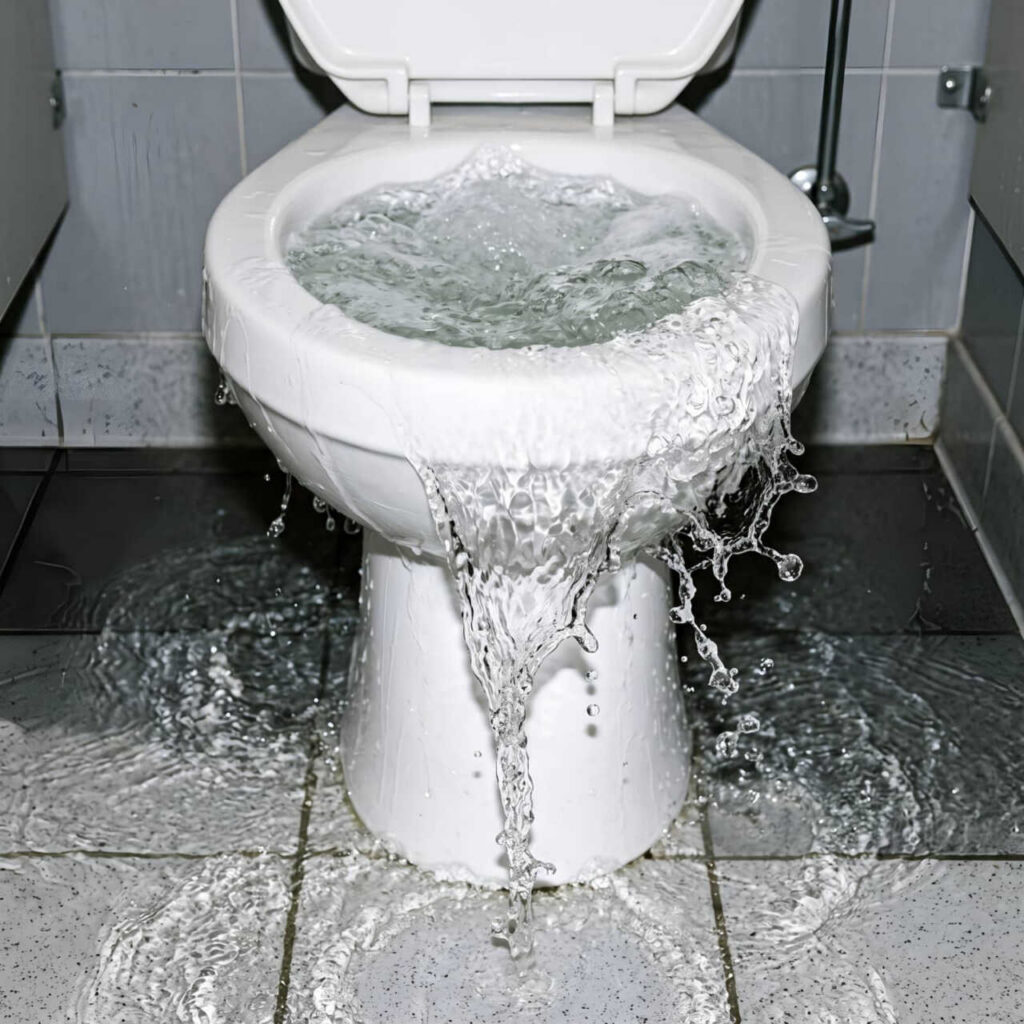
First, stop the sewage source immediately and prevent any additional water from entering the affected area; if the leak is from a toilet, drain, or appliance, shut off the supply valve or main water line at once.
You need rapid spill containment, so isolate the zone with barriers and limit foot traffic.
Wear gloves, boots, and a respirator, and remove standing liquid with a wet vacuum or pump.
Use fans, dehumidifiers, and open airflow to drive moisture control quickly, but don’t blow air toward clean rooms.
Extract wet materials you can’t sanitize, then wash hard surfaces with detergent and disinfectant.
Dry floors, baseboards, and framing until they’re fully dry.
Acting fast helps your team protect the space, reduce odor, and keep recovery on track together.
Check for Hidden Mold and Damage
Once the area is dry, you need to inspect for hidden mold and structural damage behind walls, under flooring, inside cabinets, and around insulation.
Use a flashlight, a moisture meter, and your nose to identify discoloration, soft materials, swelling, or a musty odor. Lift access panels and check seams, baseboards, and subfloor edges where water can linger.
For effective hidden mold detection, document any stains, bubbling paint, or warped trim, then compare readings over several days. Keep moisture monitoring in place until levels stay stable and match the surrounding dry areas.
If you find recurring dampness, you’re not alone; that signals a concealed problem that needs targeted remediation before it spreads.
Remove Contaminated Materials Safely
If hidden mold or water-damaged building materials are present, remove them carefully to prevent cross-contamination. You should isolate the work area, seal vents, and keep others out so your team stays protected.
Put on safety equipment: gloves, goggles, and a respirator rated for mold cleanup. Cut contaminated drywall, insulation, carpet, and porous trim into manageable sections; don’t tear them, because tearing releases spores and can worsen mold growth.
Bag each piece immediately in heavy-duty plastic, seal it tightly, and carry it out without dragging debris through clean spaces. Keep removed materials damp enough to limit dust, but not saturated.
After each load, inspect tools and clothing for residue. By following this process, you’ll support a safer, more coordinated remediation effort.
Disinfect Surfaces After Sewage Exposure
After sewage exposure, clean hard nonporous surfaces with detergent and water, then apply an EPA-registered disinfectant labeled for sewage contamination and follow the required dwell time.
You’ll protect your space by using disinfection techniques that match the surface materials you’re treating. On tile, metal, and sealed plastic, keep the surface visibly wet for the full contact period, then rinse if the label requires it.
Use fresh cloths or disposable wipes, and change them before they spread residue. Wear gloves, eye protection, and an N95 if splashing is possible.
For textured or porous surface materials, disinfectant may not penetrate evenly, so focus on thorough cleaning and label-compliant treatment.
Work methodically, move from clean areas to contaminated ones, and let the surface dry completely.
When to Call Mold Remediation Pros
Call mold remediation pros when the affected area is large, the mold keeps returning after cleaning, or you suspect hidden growth behind walls, under flooring, or in HVAC systems.
You should also call them if the spill involved contaminated water, porous materials stayed wet longer than 24 to 48 hours, or you notice musty odors without visible staining.
Trained pros use containment, negative air, HEPA filtration, and moisture mapping to stop mold growth at the source.
They can assess health risks, remove damaged materials, and verify that drying is complete.
If you want your space safe, compliant, and ready to rejoin your home or business, don’t guess.
Bring in experts when the job exceeds routine cleaning, and protect your household before minor damage becomes a major problem.
Review
After a spill, you need to act fast: stop the moisture source, dry the area, and inspect hidden spaces for mold and damage. Remove contaminated materials with proper PPE, then disinfect all exposed surfaces with EPA-approved products. Don’t ignore lingering odors, discoloration, or dampness. If the contamination is extensive or concealed, call mold remediation pros. Treat the problem like a canary in a coal mine—small signs now can prevent major losses later.
Recent Posts
5 Tips for Biohazard Waste Removal
After a clinic spill leaves gauze and sharps on the floor, you need to act
Why Choose Mold Remediation After Sewage Spill
You might think a sewage spill only needs surface cleanup, but hidden contamination can linger
How to Remediate Mold After Sewage Spills
When you face a sewage spill, you need to act fast because mold can begin