
Contents
Like a hidden leak that slowly erodes a foundation, water damage can sneak up on you, causing significant issues if left unchecked. You might feel overwhelmed by repair costs, but there are practical, budget-friendly solutions. By understanding the damage and knowing where to start, you can tackle repairs without breaking the bank. What if you could turn a DIY approach into a cost-saving strategy? Let’s explore how you can effectively manage this challenge.
Key Takeaways
- Assess the extent of water damage to prioritize essential repairs, focusing on structural issues and mold removal first.
- Obtain detailed cost estimates from local contractors to compare prices and find budget-friendly options.
- Utilize local hardware stores for discounts and bulk purchase options on repair materials to save costs.
- Explore community workshops and online tutorials to learn DIY repair techniques, reducing the need for professional help.
- Seek assistance from local charities or non-profits for financial aid and resources for affordable home repairs.
Understanding Water Damage: Types and Impact
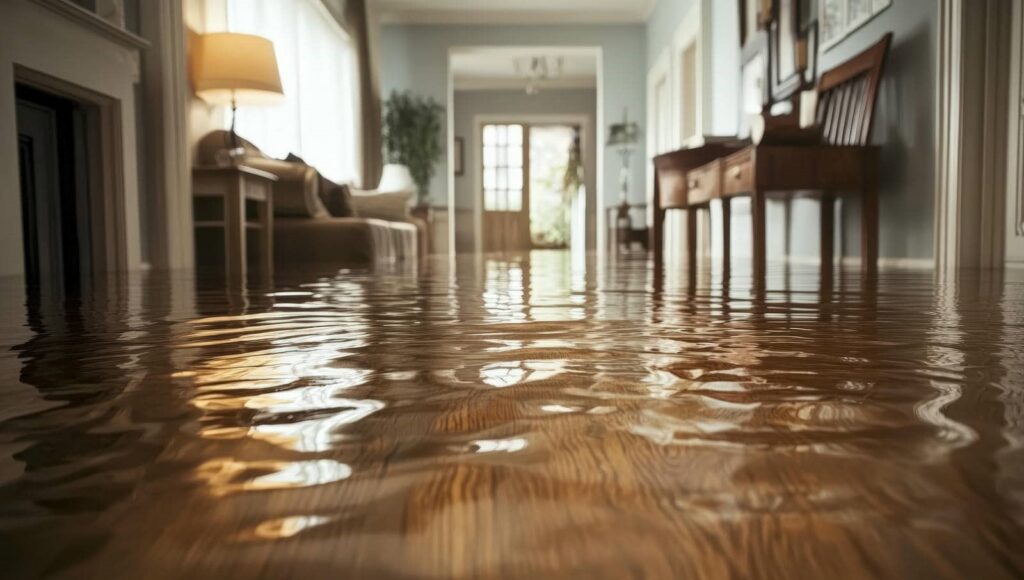
Water damage can manifest in several ways, and understanding these types is essential for effective repairs. You’ll encounter different water sources, such as leaks, flooding, or condensation, each falling into damage categories like clean, gray, or black water.
Knowing this helps you assess restoration costs and potential long-term effects, like mold growth, which can compromise your home’s structural integrity. Quick emergency response is crucial to minimize damage and streamline repair timelines.
Don’t forget to document everything for insurance claims; it can ease the financial burden. For future peace of mind, follow prevention tips like regular maintenance checks and proper drainage.
How to Assess Water Damage: Key Indicators
When evaluating water damage, start by looking for visual signs like stains, discoloration, or peeling paint.
Don’t overlook odors, as musty smells can indicate hidden moisture problems.
Use a moisture meter if needed, but often, your eyes and nose can guide you to potential issues.
Visual Signs Of Damage
Identifying visual signs of water damage is essential for maintaining your home’s integrity. Start by checking for water stains on ceilings and walls, which often indicate leaks above.
If you notice peeling paint or damp walls, it’s a clear signal that moisture is lingering. Pay attention to warped flooring, as this can suggest trapped water beneath.
Mold growth is another critical sign; if you see any, act quickly. Don’t ignore musty odors, either—they can hint at hidden moisture issues.
Additionally, inspect ceilings for leaks and look for foundation cracks that might allow water in. By recognizing these indicators early, you can take action to protect your home and avoid more costly repairs down the line.
Odor And Moisture Detection
Detecting odors and moisture is essential for evaluating water damage in your home. Start by identifying odor sources; musty smells often indicate mold growth.
Use moisture meters to measure levels in walls and floors, pinpointing areas that require attention. Guarantee proper air circulation to help with drying techniques, which can prevent further damage.
Control humidity levels to minimize the risk of mold development, as damp environments foster growth. If leaks are suspected, prioritize leak detection to address the issue early.
For effective scent removal, consider using dehumidifiers or air purifiers. By staying proactive with these steps, you’ll protect your home and create a healthier living environment for you and your loved ones.
DIY Repair Techniques: Simple Fixes You Can Do
Tackling water damage repairs doesn’t have to break the bank. Start with sealing leaks using effective caulking techniques to prevent future issues.
If you’ve got damaged drywall, patching it up is straightforward—just cut out the affected area, fit a new piece, and blend it in with some painting tips.
For flooring repairs, make sure the material is dry before replacing or fixing any sections.
If plumbing fixes are needed, check your pipes for leaks and replace any faulty sections.
Don’t forget about mold remediation; treat affected areas promptly.
If your insulation’s been compromised, consider insulation replacement to maintain energy efficiency and comfort.
These simple DIY fixes can save you money and help restore your home’s safety.
When Should You Call in the Pros?
Sometimes, DIY repairs just aren’t enough.
If you notice signs of severe damage, like mold or structural issues, it’s time to call in the pros.
Complicated repair needs can escalate quickly, and getting expert help can save you time and money in the long run.
Signs of Severe Damage
When water damage becomes evident, knowing when to call in professionals is crucial for preventing further issues. If you notice signs like mold growth, warped walls, or a musty smell, it’s time to act.
A plumbing inspection can reveal hidden leaks, especially if your home has a flood history. Ignoring these signs can threaten your home’s structural integrity, leading to costly repairs down the road.
If you’re considering insurance claims, documenting severe damage is essential. Installing moisture barriers can help, but if damage is extensive, professionals can guarantee proper restoration timelines are met.
Complicated Repair Needs
If you’re facing complicated water damage repairs, knowing when to call in professionals can save you both time and money.
If you notice complicated plumbing issues or significant structural problems, it’s wise to consult experts. They can accurately assess the damage and prevent further complications.
Mold remediation is another area where professionals shine; trying to handle it yourself can lead to health risks.
Additionally, if you’re filing insurance claims, having restoration services manage your repairs can streamline the process. They’ll document everything, ensuring you have the necessary evidence to support your claim.
Trusting professionals not only provides peace of mind but also helps you restore your home safely and efficiently.
Effective Budgeting for Water Damage Repairs
While unexpected water damage can throw your plans off course, effective budgeting can help you navigate the repair process smoothly.
Start your budget planning with these steps:
Assess the Damage: Identify the extent of the water damage to understand what repairs are needed.
Get Cost Estimates: Contact local contractors for detailed cost estimation to compare prices and services.
Prioritize Repairs: Focus on essential repairs first, like structural issues and mold removal.
Create a Contingency Fund: Set aside 10-15% of your budget for unexpected costs that may arise during repairs.
Preventing Future Water Damage: Key Strategies
After addressing immediate water damage repairs, it’s vital to focus on preventing future issues.
Start by evaluating your home’s drainage solutions. Make sure gutters are clean and downspouts direct water away from your foundation. You might also consider installing a French drain for better water management.
Next, invest in quality waterproofing materials for your basement and crawl spaces. This could include sealants or membranes designed to keep moisture out.
Regularly inspect your plumbing for leaks and address any issues immediately.
Finally, create a maintenance schedule. Check for signs of mold or dampness regularly, and don’t hesitate to reach out for professional help if needed.
These simple steps can save you time, money, and stress in the long run!
Insurance Insights: What’s Covered for Water Damage?
Understanding your insurance coverage is essential when it comes to water damage repairs, especially since policies can vary considerably. Here are some key points to contemplate:
Policy Limits: Know how much your plan covers for water damage and any specific caps on certain types of claims.
Water Exclusions: Familiarize yourself with exclusions, as not all water damage (like flooding) might be covered under standard policies.
Flood Insurance: If you live in a flood-prone area, you might need separate flood insurance to guarantee you’re fully protected.
Claim Process: Understand the claim process and gather documentation tips to support your claim, as thorough records can expedite it.
Resources for Affordable Repairs: Finding Help and Materials
Finding affordable resources for water damage repairs can make a significant difference in your budget.
Start by checking local resources like community centers or libraries, which often provide lists of contractors or volunteers willing to help.
Online platforms like Facebook Marketplace or Nextdoor can connect you with neighbors offering affordable materials or services.
Don’t overlook local hardware stores; they might’ve discounts on supplies or even workshops on DIY repairs.
Additionally, consider reaching out to local charities or non-profits that assist families in need—they may offer help or resources for affordable repairs.
Frequently Asked Questions
How Can I Temporarily Stop Water Leaks Before Repairs?
To temporarily stop water leaks, you can use leak detection methods to identify the source, then apply emergency measures like sealing with waterproof tape or placing a bucket to catch drips until permanent repairs are made.
What Household Items Can Help With Drying Out Water Damage?
When water’s taken over your space, think of absorbent materials like towels and sponges, or use dehumidifier options to speed up drying. These tricks will help reclaim your home and restore comfort quickly!
Are There Any Homemade Solutions for Mold Prevention?
Yes, you can create mold-resistant recipes using vinegar solutions. Mix equal parts vinegar and water in a spray bottle. This natural solution helps prevent mold growth on surfaces, keeping your home fresh and healthy.
How Long Should I Wait Before Starting Repairs After Water Damage?
You should wait at least 24 to 48 hours after water damage to assess repair readiness. This water damage timeline helps guarantee mold prevention and structural integrity before you start any repairs for lasting results.
Can I Claim Water Damage Repairs on My Taxes?
You might be able to claim water damage repairs on your taxes if you meet certain criteria. Check your insurance coverage and deductible limits; they often dictate what you can deduct on your tax return.
Recap
You might think that tackling water damage repairs is too overwhelming or costly, but with a bit of planning and creativity, you can manage it effectively. By evaluating the situation, using DIY techniques, and tapping into local resources, you can keep expenses low while restoring your home. Remember, addressing issues early not only saves money but also prevents bigger problems down the line. So roll up your sleeves and take control of your home repairs you’ve got this!
Recent Posts
What Is Certified Mold Remediation After Flood?
After a basement flood in Houston, you might see musty odors, dark wall staining, and
Why Emergency Sewage Cleanup Matters Now
When wastewater enters your space, you’re dealing with more than an unpleasant mess. You’re facing
10 Emergency Sewage Cleanup Tips
A sewage spill is both urgent and manageable when you act in the right order: