
Contents
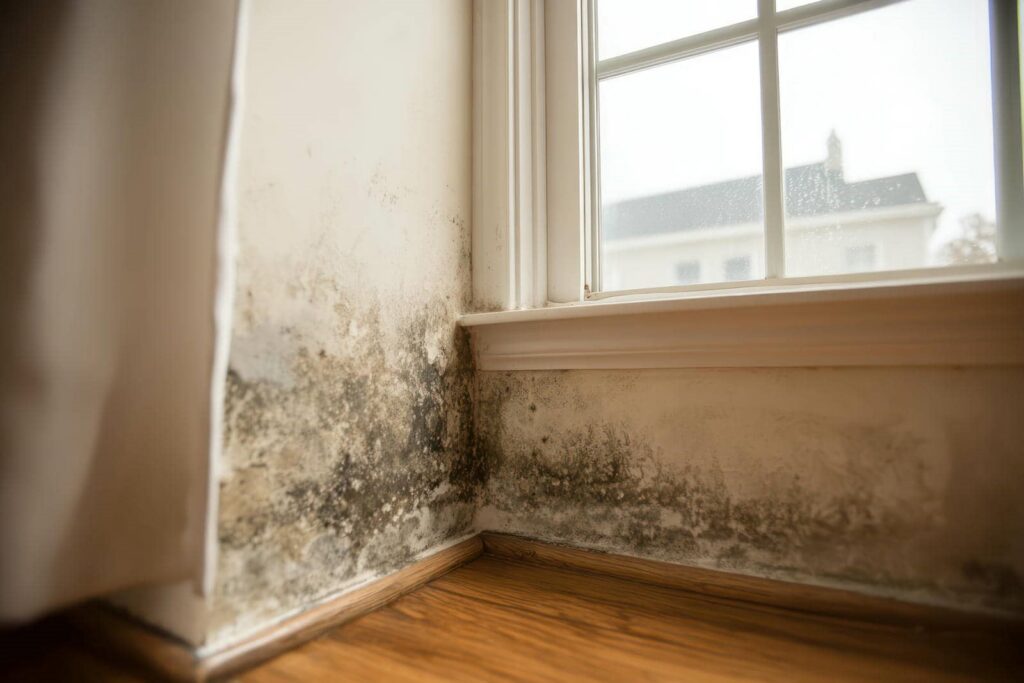
Imagine discovering a hidden leak in your home, only to find it’s sprouted a thriving colony of mold. Water damage can trigger rapid mold growth, making immediate action vital. You need a systematic approach to assess the damage, equip yourself with the right protective gear, and choose effective removal strategies. Failing to do so can lead to persistent issues. Let’s explore the essential steps to guarantee you tackle mold effectively and safeguard your environment.
Key Takeaways
- Conduct a thorough assessment of water damage and visible mold to identify affected areas early.
- Use protective gear, including masks and gloves, to ensure safety during mold removal.
- Employ effective cleaning solutions and tools, like HEPA vacuums, to eliminate mold thoroughly.
- Inspect areas post-removal to confirm complete eradication and prevent future growth.
- Maintain low indoor humidity levels and enhance ventilation to deter mold recurrence.
How to Assess Mold Damage After Water Exposure
When you suspect mold damage after water exposure, it’s crucial to act quickly. Start with an extensive water damage assessment to identify affected areas.
Look for visible signs of mold, such as discoloration or a musty odor. Use mold identification techniques like moisture meters to detect hidden mold behind walls or under flooring.
If you find damp materials, remove and inspect them carefully. Pay attention to areas with poor ventilation, as these are mold hotspots.
Document your findings, noting the extent of the damage, as this will help in remediation efforts.
Understanding the Mold Growth Process After Water Damage
After evaluating mold damage, it’s important to understand how mold grows following water exposure.
Mold growth occurs in distinct lifecycle stages: from spores to mycelium, and finally to reproduction. When moisture levels rise, spores can germinate in as little as 24 to 48 hours.
To effectively combat this, you need to implement moisture control techniques, such as dehumidification and proper ventilation. Keeping indoor humidity below 50% helps inhibit the growth of mold.
Regularly inspect areas prone to dampness, like basements and bathrooms, to catch issues early.
Essential Protective Gear for Safe Mold Removal
When tackling mold removal, wearing the right protective gear is essential for your safety.
You’ll need a respirator or mask to filter airborne spores, along with protective clothing to shield your skin from contact.
Don’t overlook eye protection, as mold exposure can irritate your eyes and lead to further complications.
Respirators and Masks
Choosing the right respirator or mask is vital for safe mold removal. You’ll encounter various respirator types, including N95 masks and half-face respirators, each offering different levels of protection.
An N95 mask filters out at least 95% of airborne particles, making it a popular choice for mold remediation. However, if you’re dealing with extensive mold or toxic spores, a half-face respirator with P100 filters provides superior safety.
It’s important to guarantee a proper mask fit, as even the best respirator won’t protect you if it doesn’t seal against your face. Before starting, try on your chosen mask to check for leaks.
Wearing the right protective gear fosters a safer environment for everyone involved in the mold removal process.
Protective Clothing Choices
Proper protective clothing is just as important as using the right respirator when tackling mold removal.
Start with durable protective gloves that resist moisture and chemicals, ensuring your hands stay safe from mold spores and cleaning agents. Opt for gloves made of nitrile or latex for added protection.
Next, wear safety goggles to shield your eyes from mold particles and cleaning solutions. Goggles should fit snugly to prevent any exposure.
Consider long-sleeved shirts and pants made from non-porous materials, as they provide an extra barrier against spores.
Finally, include a disposable coverall for complete protection, especially in heavily infested areas.
Eye Protection Importance
While tackling mold removal, it’s vital to prioritize eye protection to prevent irritation and potential injury from airborne spores and chemical cleaners. Various eye protection types, like safety goggles and face shields, are important in safeguarding your vision.
Goggles provide a snug fit and shield your eyes from splashes, while face shields offer broader coverage for your entire face.
When selecting eye protection, verify it meets safety standards and fits comfortably.
Remember these eye safety tips: keep your goggles clean, avoid touching your face with unwashed hands, and replace any damaged gear immediately.
Effective Solutions for Mold Removal and Prevention
To effectively tackle mold, you need to identify areas where it thrives, such as damp corners or behind appliances.
Once you pinpoint these spots, using the right cleaning techniques will guarantee thorough removal.
Implementing these strategies not only eradicates existing mold but also helps prevent future growth.
Identify Mold Growth Areas
How can you effectively identify mold growth areas in your home? Start by conducting a thorough moisture assessment.
Check areas prone to leaks, like basements, kitchens, and bathrooms. Look for visible signs of mold, such as discoloration on walls or ceilings.
Utilize mold detection tools, like moisture meters and infrared cameras, to pinpoint hidden moisture sources that may foster mold growth.
Pay attention to areas with poor ventilation, as stagnant air can encourage mold proliferation.
Don’t forget to inspect behind furniture and appliances, where moisture can accumulate unnoticed.
Use Proper Cleaning Techniques
Effectively tackling mold requires using the right cleaning techniques and solutions. When you’re ready to engage in mold cleaning, follow these proper techniques to guarantee thorough removal:
Protect Yourself: Always wear gloves, goggles, and a mask to shield yourself from spores.
Use the Right Cleaner: Opt for a solution with at least 70% isopropyl alcohol or a specialized mold cleaner.
Scrub Thoroughly: Apply your cleaner and scrub surfaces with a brush to eliminate all visible mold.
Dry Completely: Confirm the area is completely dry post-cleaning to prevent future growth.
When to Hire a Professional for Mold Removal?
When should you consider bringing in a professional for mold removal? If you notice mold growth exceeding 10 square feet, it’s a clear mold removal indicator that you might need expert help.
Additionally, if you’re dealing with mold in hard-to-reach areas, like behind walls or in ductwork, a professional’s expertise guarantees extensive remediation.
If anyone in your household has respiratory issues or allergies, professional consultation benefits include tailored solutions that prioritize health and safety.
Finally, if you’re uncertain about the extent of water damage or potential mold hazards, it’s wise to consult an expert. They’ll assess the situation and provide you with a detailed plan to eliminate mold effectively and prevent future issues.
Top Strategies for Preventing Future Mold Growth
After addressing mold issues, it’s crucial to implement strategies that prevent future growth.
Here are some effective approaches to maintain a mold-free environment:
Enhance Ventilation Techniques: Guarantee proper airflow in your home by using exhaust fans and opening windows regularly.
Control Moisture Levels: Keep humidity below 50% with dehumidifiers in damp areas like basements and bathrooms.
Regular Inspections: Routinely check for leaks and water accumulation in vulnerable areas, addressing issues promptly.
Use Mold-Resistant Materials: When renovating, opt for mold-resistant drywall and paints to minimize future risks.
Common Mistakes to Avoid During Mold Removal
Although mold removal may seem straightforward, many individuals make critical mistakes that can exacerbate the problem. One common error is believing mold myths, like thinking bleach effectively kills mold. In reality, it often only discolors it, leaving spores behind.
Another frequent issue is underestimating the extent of the infestation; failing to thoroughly inspect hidden areas can lead to recurring mold. You might also fall into DIY mistakes, such as using inadequate protective gear, which can expose you to harmful spores.
Additionally, skipping proper containment measures can allow mold to spread during removal. To guarantee effective mold remediation, focus on using the right tools, following safety protocols, and understanding the true nature of mold growth.
Why Post-Removal Mold Inspections Matter
Post-removal mold inspections are essential because they guarantee that all traces of mold have been eliminated and that your environment is safe.
The mold inspection benefits are significant, ensuring you make informed decisions for your health and property.
Here’s why post-removal assessments are vital:
Verification of Removal: Confirms that mold has been completely eradicated.
Health Safety: Reduces the risk of health issues associated with mold exposure.
Property Protection: Prevents potential structural damage from lingering mold.
Peace of Mind: Provides confidence that your space is now safe and healthy.
Frequently Asked Questions
Can Mold Exposure Cause Long-Term Health Issues?
Yes, mold exposure can lead to long-term health issues. You might experience persistent mold symptoms like respiratory problems or allergic reactions, increasing health risks over time. It’s essential to address mold issues promptly to safeguard your health.
How Quickly Can Mold Start Growing After Water Damage?
Mold can start growing within 24 to 48 hours after water damage, with a mold growth timeline heavily influenced by moisture control. Effective moisture management is essential to prevent extensive health risks and property damage.
What Types of Mold Are Most Harmful to Humans?
Toxic molds, like Stachybotrys and Aspergillus, can seriously affect your health. For effective mold identification, look for black or green spots and musty odors. Addressing these promptly is essential for your well-being and safety.
Is It Safe to Remove Mold Without Professional Help?
You can remove mold safely without professional help if you use proper mold removal techniques. However, make certain you wear protective gear and follow DIY mold prevention methods to avoid health risks and future infestations.
How Do I Know if Mold Is Completely Removed?
To know if mold’s completely removed, use mold detection methods like visual inspections and air sampling. Explore mold testing options to confirm absence. Regular monitoring guarantees a safe environment, fostering a sense of security and belonging.
Final Thoughts
In the aftermath of water damage, tackling mold is like traversing a maze you need to approach it methodically. By evaluating the damage, using protective gear, and employing effective cleaning solutions, you can effectively eliminate mold and safeguard your environment. Remember, prevention is key; controlling humidity and conducting regular inspections can keep mold at bay. Stay vigilant and proactive to guarantee your space remains healthy and mold-free.
Recent Posts
What Is a Sewage Spill Remediation Company?
If your basement backs up with sewage after a heavy storm, you need more than
Emergency Flood Cleanup for Water Damage Response
If you lose power just as water starts rising, you have a flood response problem
7 Emergency Flood Cleanup Tips
You might not realize that floodwater can hide electrical hazards and structural damage even after