Contents
When your basement floods, you need fast action and the right team. You should look for a flood water extraction service that carries proper licenses, insurance, and proven experience with moisture detection, extraction, and drying equipment. Ask about response times, pricing, and insurance documentation before you commit. The first company you call may not be the one you should trust, and the details that matter most often show up only after the initial inspection.
Key Takeaways
- Act quickly after flooding by shutting off power if safe, stopping the water source, and documenting damage for insurance.
- Hire extraction services when standing water, hidden dampness, musty odors, or flooring seepage indicate ongoing moisture problems.
- Choose a company with proper licenses, insurance, certifications, and verified permit numbers.
- Ask about response time, 24/7 availability, equipment, crew experience, and how they document progress.
- Confirm the team will extract water, dry and disinfect affected areas, verify moisture levels, and communicate clear timelines.
What to Do After Basement Flooding?
After basement flooding, act fast to limit structural damage, mold growth, and electrical hazards. First, shut off power to the basement if you can do so safely, then stop the water source.
Next, document visible damage with photos for your records and notify your insurer. Remove soaked personal items, and open windows if weather allows to improve airflow.
Protect yourself with boots, gloves, and a mask while you inspect walls, flooring, and insulation for moisture. Focus on drying surfaces, because lingering dampness can weaken framing and encourage mold.
As part of your basement maintenance routine, check sump pumps, seals, and drains regularly. These flood prevention tips help you stay prepared, connected, and confident when your home needs quick, careful action.
When You Need Flood Water Extraction
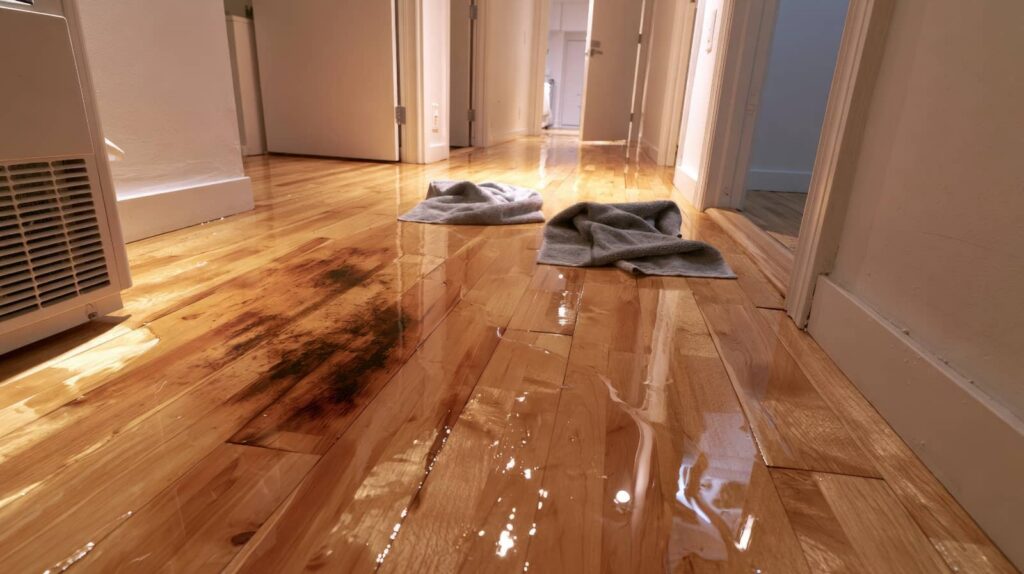
You need flood water extraction when you can see standing water, pooled runoff, or moisture spreading across floors and walls.
If you notice persistent dampness, musty odors, or a rise in indoor humidity, water may still be trapped in hidden materials and needs prompt removal.
After a storm, even if the surface looks dry, structural damage and concealed saturation can still require professional extraction and drying.
Visible Water Accumulation
Even a thin layer of standing water can signal that flood extraction needs to start right away, especially if the water keeps spreading, seeps under flooring, or reaches walls and baseboards.
You should treat visible accumulation as an urgent trigger for flood assessment and water removal, because surface water often hides deeper intrusion. A trusted crew can help you protect your space with calm, coordinated action.
- Check whether water pools after you shut off sources.
- Mark how far it’s moving across rooms.
- Call for extraction before materials start saturating.
When you act quickly, you join others who’ve limited damage by responding early.
Fast extraction lowers risk, supports cleaner drying, and gives you a clear path forward.
Dampness And Odors
When dampness lingers in carpets, drywall, insulation, or cabinets, it often means water has moved beyond the surface and needs professional extraction before hidden damage spreads.
You may also notice a musty scent, which signals trapped moisture and microbial growth in concealed spaces. In that case, you need prompt damp mitigation to reduce saturation, stabilize indoor humidity, and protect materials from breaking down.
Flood water extraction teams use meters, targeted drying, and air movement to find and remove hidden moisture efficiently.
For odor removal, they treat affected zones after extraction, helping restore a cleaner, healthier environment.
Acting quickly lets you feel confident that your home is being cared for by technicians who understand the problem and work to bring it back to normal.
Post-Storm Damage
After a severe storm, floodwater can enter a property through roof leaks, broken windows, foundation cracks, or overwhelmed drains, leaving carpets, walls, and structural cavities saturated.
You need extraction quickly when water rises above baseboards, electrical systems get wet, or drywall starts to swell. Acting fast protects your home and your crew of helpers from mold, corrosion, and hidden rot.
- Inspect for structural movement and shut off power.
- Document damage for insurance claims with photos and notes.
- Start flood prevention by sealing gaps and improving drainage.
A qualified team will map moisture, remove standing water, and dry framing with controlled airflow.
You’re not alone; prompt service helps you restore safety, meet claim requirements, and get back to normal sooner.
What Flood Water Extraction Services Include
Flood water extraction services remove standing water and moisture from your property using industrial pumps, wet vacuums, air movers, and dehumidifiers. You get a fast emergency response that limits structural damage and helps your home feel safe again.
Technicians assess affected rooms, map water spread, and choose water removal techniques based on floor type, saturation level, and access points. They remove water from carpets, subfloors, basements, and crawl spaces, then use containment to control movement through your space.
You’ll also receive moisture readings to confirm hidden pockets don’t remain. A good team documents conditions, protects salvageable materials, and coordinates with your insurer if needed. This process gives you clear next steps and a reliable path back to normal.
What Happens During Drying, Sanitizing, and Mold Cleanup
After extraction, you’ll see technicians place industrial air movers, dehumidifiers, and moisture meters to dry structural materials to safe levels.
They’ll also sanitize affected surfaces with antimicrobial treatments to reduce bacterial growth and remove contaminated debris.
If mold is present, they’ll contain the area, clean visible growth, and treat remaining surfaces to limit recurrence.
Drying Equipment Setup
Once the standing water is removed, the drying phase begins with a careful equipment setup designed to pull moisture from materials before it causes further damage.
You’ll see technicians map the room, then place dehumidifiers where humidity collects and fans where airflow can move across wet surfaces. Good dehumidifier placement helps the machines capture vapor efficiently, while strong air circulation speeds evaporation from walls, subfloors, and trim.
They’ll often adjust equipment daily as readings change, so the setup stays matched to your space.
- Position drying gear for balanced coverage.
- Keep pathways open so air moves freely.
- Monitor moisture levels until they normalize.
This process helps you feel confident your home’s recovery is moving in the right direction, with every tool working as part of a coordinated team.
Sanitizing And Mold Removal
As moisture levels drop, technicians shift from extraction to sanitation, treating affected surfaces to reduce bacteria, odors, and other contaminants left behind by floodwater.
You’ll see them isolate rooms, remove porous materials that can’t be salvaged, and apply approved sanitization methods to walls, framing, and flooring. They clean with antimicrobial agents, then scrub and rinse to stop residue from lingering.
Next, they monitor humidity and temperature so drying stays on track and mold prevention can begin early. If they find visible growth, they contain the area, use HEPA filtration, and remove contaminated debris before spores spread.
You’re not dealing with this alone; you’re part of a team restoring a safe, healthy space with careful, documented cleanup.
How to Choose a Flood Water Extraction Company
When you’re choosing a flood water extraction company, focus on response time, equipment capacity, and proven water-damage expertise. You need a team that can assess flood damage quickly, explain extraction methods clearly, and mobilize enough pumps, vacuums, and moisture meters for your space.
Choose people who communicate in plain language, because you deserve to feel informed and included while your home or business is being restored.
- Confirm they offer 24/7 dispatch and fast arrival.
- Ask whether they match extraction methods to standing water, saturation level, and material type.
- Compare their drying plans, monitoring tools, and project updates.
A strong company won’t rush the process; it’ll remove water efficiently, reduce secondary damage, and keep you confident throughout recovery.
How to Check Licenses, Insurance, and Certifications
Before you hire a flood water extraction service, verify that the company holds the proper state and local licenses, carries current liability and workers’ compensation insurance, and can show relevant industry certifications.
Ask for document copies, then confirm each permit number with the issuing agency for license verification. Check that insurance coverage is active on the service dates and matches the scope of water removal, drying, and sanitation work.
Look for credentials from recognized restoration organizations, because they signal training in moisture mapping, contamination control, and equipment handling.
If anything seems outdated or incomplete, pause and choose a team that’s fully documented.
When you confirm these basics, you join a safer, more professional response circle and reduce the risk of gaps that could leave you exposed.
What to Ask Before You Hire
Once you’ve confirmed licenses, insurance, and certifications, shift to the questions that reveal how the crew actually works in the field.
Ask who’ll lead your job, how fast they can arrive, and what equipment they use for moisture detection and extraction. You’re not just hiring a vendor; you’re choosing a team that should make you feel informed and supported.
- What’s your response time, and do you offer 24/7 dispatch?
- How do you document damage and communicate progress?
- Can you share recent customer testimonials and explain your service reputation?
Their answers should sound specific, not scripted. You want clear scope, transparent pricing, and a process that fits your property’s needs.
When a company answers confidently, you can trust you’re joining a crew that treats your emergency like it matters.
What Happens After the Water Is Gone?
After the standing water is removed, the work shifts to drying, cleaning, and verifying that hidden moisture isn’t still damaging your property.
Your team should set air movers, dehumidifiers, and moisture meters to track every wall cavity, floor seam, and baseboard during the flood aftermath. They’ll remove unsalvageable materials, disinfect affected surfaces, and document conditions for insurance and the restoration process.
You’ll know you’re in good hands when they explain each step, report readings, and keep you informed about any mold risk or structural concern.
This phase protects your home, but it also helps you feel supported while normal life comes back.
Ask for clear timelines, daily updates, and final drying confirmation before repairs begin.
Recap
When you hire flood water extraction services, you protect your home fast and reduce long-term damage. You should verify licenses, insurance, and certifications, and you should ask about equipment, drying methods, and documentation for claims. You’ll also want clear pricing and rapid response. After the water is gone, restoration should feel like a relay race, with each step handed off smoothly. Choose a qualified team, and you’ll restore safety, dryness, and peace of mind.
Recent Posts
Why Emergency Sewage Cleanup Matters Now
When wastewater enters your space, you’re dealing with more than an unpleasant mess. You’re facing
10 Emergency Sewage Cleanup Tips
A sewage spill is both urgent and manageable when you act in the right order:
What to Do After Sewage Flooding?
After a sewage flood, you need to act fast, but safely. First, stop the backup