
Contents
Did you know that homes that experience flooding face mold issues within just 24 to 48 hours? This alarming statistic underscores the urgency of addressing moisture management promptly. After a flood, your home becomes increasingly vulnerable to black mold, which can pose serious health risks. Understanding the steps you need to take can make all the difference in safeguarding your living space and well-being. So, what should you do next?
Key Takeaways
- Assess and document all water damage immediately after flooding, focusing on moisture-prone areas like basements and bathrooms.
- Remove standing water using pumps and wet vacuums, ensuring all residual moisture is eliminated to prevent mold growth.
- Maintain indoor humidity levels below 60% and use fans and ventilation to enhance drying processes after flooding.
- Inspect and clean HVAC systems to eliminate mold spores and replace damp filters to prevent the circulation of contaminants.
- Regularly monitor for signs of mold, such as discoloration or musty odors, and act quickly if detected.
Understand the Risks of Black Mold
While flooding can cause immediate damage to your property, the risks posed by black mold can linger long after the water recedes. Understanding these risks is essential for your mold health and overall well-being.
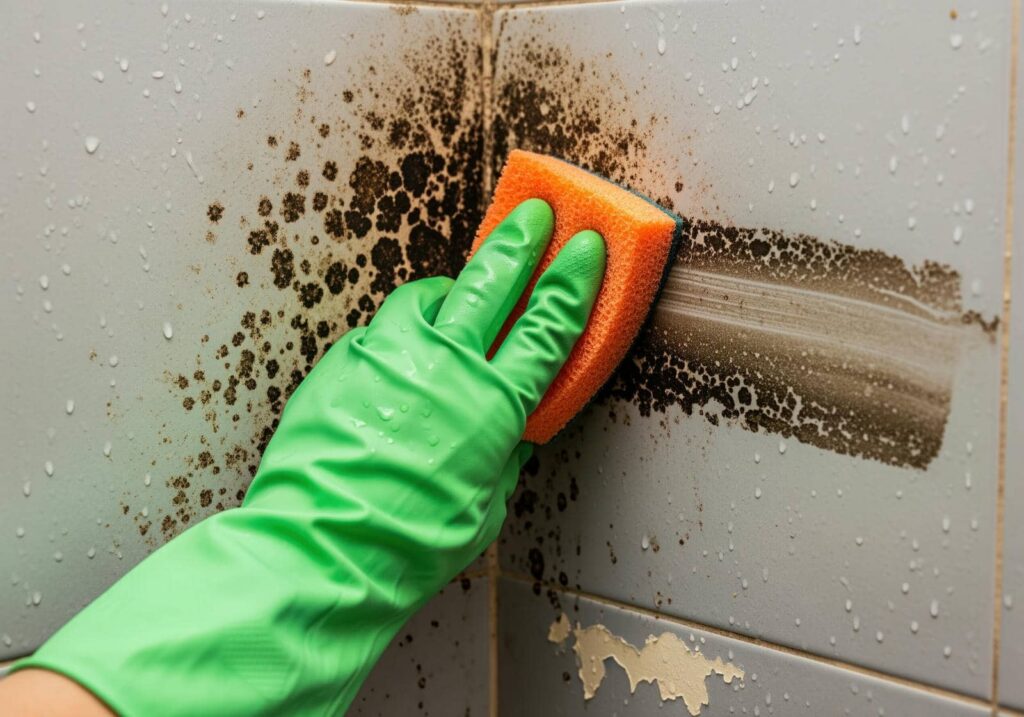
Black mold thrives in damp environments, often appearing within 24 to 48 hours post-flooding. It can produce mycotoxins, leading to health issues such as respiratory problems, headaches, and allergic reactions.
To prevent mold growth, you must act quickly and effectively. Start by drying out your space thoroughly—aim for less than 60% humidity.
Regularly inspect areas prone to moisture, like basements and bathrooms. Consider using mold-resistant materials when repairing your home.
Educating yourself on mold prevention techniques not only safeguards your property but also fosters a sense of community. By sharing knowledge and experiences, you can help create a healthier environment for yourself and those around you.
Act Quickly: The Importance of Timely Response
When flooding occurs, you need to assess the damage immediately to identify affected materials.
Removing these materials and drying the area thoroughly and quickly is essential for preventing black mold growth.
Timely response mitigates health risks and reduces overall repair costs.
Assess Damage Immediately
As soon as floodwaters recede, you must assess the damage to your property, because the speed of your response can greatly influence the potential for mold growth.
Begin your flood assessment by documenting affected areas, including walls, flooring, and personal belongings. A thorough damage evaluation will help you identify which materials are salvageable and which need replacement.
Pay close attention to hidden spaces, like behind cabinets and under carpets, where moisture may linger. Time is of the essence; mold can begin to develop within 24-48 hours in damp conditions.
Remove Affected Materials
Act decisively by removing all affected materials from your property as soon as you can.
Mold thrives in damp environments, so the longer you wait, the greater the risk of extensive damage and health issues.
Focus on removing wet drywall, carpeting, and insulation, as these are the primary culprits for mold growth.
Utilize proper demolition techniques to ensure you’re safely extracting contaminated materials without spreading spores.
Replace them with mold-resistant materials whenever possible; these alternatives can considerably reduce future risks.
Remember, a proactive approach protects your home and fosters a sense of community responsibility.
Dry Thoroughly and Quickly
After removing affected materials, the next critical step is to dry your space thoroughly and quickly.
Effective moisture control is essential in preventing black mold growth, which can begin within 24 to 48 hours.
Employ drying techniques like using fans, dehumidifiers, and opening windows to enhance air circulation.
Aim to reduce humidity levels below 60% as rapidly as possible.
Focus on areas with hidden moisture, such as behind walls and under floors, by using thermal imaging or moisture meters for accurate assessment.
Remember, each moment counts; delaying this process increases the risk of mold infestation.
Remove Standing Water Efficiently
To effectively remove standing water after flooding, you should utilize pumps and a wet/dry vacuum for quick extraction.
These tools are essential in minimizing water retention that can lead to mold growth.
Additionally, ensuring your drainage systems are functional will help prevent future water accumulation and protect your space.
Use Pumps and Wet/Vac
When floodwaters invade your home, using pumps and wet vacs is essential for efficiently removing standing water and preventing black mold growth.
Start by selecting the right pump types; submersible pumps are ideal for deep water, while utility pumps work well for shallower areas.
Once the majority of the water is removed, turn to wet vac usage to tackle residual moisture in carpets and hard-to-reach spots. Remember to empty the wet vac frequently to maintain its efficiency.
After pumping and vacuuming, ensure you thoroughly dry the affected areas to eliminate any lingering moisture.
Acting quickly and using the right equipment fosters a sense of community safety, ensuring your home remains mold-free and welcoming for everyone.
Ensure Proper Drainage Systems
Effective water removal doesn’t stop with pumps and wet vacs; ensuring proper drainage systems are in place is vital to preventing future flooding and reducing the risk of black mold.
Regular drainage system maintenance is significant. Inspect your gutters, downspouts, and drainage pipes to verify they’re clear of debris. Clogged systems can lead to water pooling around your foundation, creating an ideal environment for mold growth.
Implement flood prevention strategies, such as grading your landscape to direct water away from your home and installing sump pumps if necessary.
By taking these proactive steps, you enhance your home’s resilience against water damage and foster a healthier living environment.
Dry Out Affected Areas Thoroughly
Although flooding can be devastating, promptly drying out the affected areas is crucial to preventing black mold growth.
Start by employing effective drying techniques to eliminate excess moisture. Use towels or mops to soak up standing water, and then ventilate the space by opening windows and doors. Fans can greatly accelerate the drying process, so position them strategically to enhance airflow.
Consider using heat sources like space heaters, but be cautious to avoid fire hazards.
Moisture control is critical; verify that all porous materials, like carpets and drywall, are thoroughly dried or replaced if soaked. Monitor humidity levels regularly, as this directly impacts mold growth.
The quicker you act, the better your chances are of protecting your home and well-being.
Use Dehumidifiers to Control Humidity Levels
After thoroughly drying out affected areas, the next step in preventing black mold is to use dehumidifiers to manage humidity levels effectively.
Maintaining ideal humidity is essential, as mold thrives in damp environments. A dehumidifier can help to keep the humidity below 60%, which is key to mold prevention.
Consider these tips for effective dehumidifier use:
Dehumidifier Placement: Position your dehumidifier in the most affected areas, ideally in the center of a room, for optimal airflow.
Humidity Monitoring: Invest in a hygrometer to regularly check humidity levels and ensure they stay within a safe range.
Regular Maintenance: Clean the dehumidifier filter and water reservoir frequently to ensure it operates efficiently.
Inspect and Clean HVAC Systems
To prevent black mold growth after flooding, it’s crucial to inspect and clean your HVAC systems, as they can harbor moisture and contaminants.
Begin with a thorough HVAC inspection, checking for any signs of water damage or mold presence in ducts and filters. Mold spores can easily circulate through your home if left unchecked, posing health risks to you and your family.
Next, prioritize system cleaning. Remove and replace filters, as damp conditions can encourage mold growth in these areas.
Clean the ducts using a vacuum equipped with a HEPA filter to ensure effective removal of dust and allergens.
Consider hiring a professional if the task feels overwhelming; they’ve the tools and expertise to tackle hidden mold spots.
Seal and Repair Water-Damaged Surfaces
Once you’ve addressed the HVAC systems, it’s essential to seal and repair any water-damaged surfaces in your home to further prevent black mold growth.
Proper sealing and repair techniques ensure that moisture doesn’t linger, creating an ideal environment for mold.
Here are some effective strategies you can implement:
Choose appropriate sealant types: Use water-resistant sealants, like silicone or polyurethane, to protect surfaces.
Employ effective repair techniques: Replace damaged drywall or flooring promptly, as these can retain moisture and promote mold growth.
Regularly inspect and maintain: Check for signs of water damage and reapply sealant as needed to maintain a protective barrier.
Monitor for Signs of Mold Growth
Being vigilant about potential mold growth is essential in the aftermath of flooding. Regularly check affected areas for signs like discoloration, a musty odor, or any visible mold spots.
Employ mold detection techniques—such as using moisture meters—to assess hidden dampness in walls and floors, which can indicate mold risk. Establish consistent monitoring intervals; for example, inspect these areas weekly for the first month post-flood, then biweekly for the next few months.
If you notice any concerning indicators, act quickly. Removing moisture promptly can greatly reduce mold growth potential.
Engage with your community by sharing your findings and experiences; it fosters a sense of belonging and collective vigilance. By staying proactive and informed, you’re not just protecting your home; you’re contributing to a healthier environment for everyone around you.
Consider Professional Mold Remediation Services
When dealing with potential mold issues after flooding, contemplating professional mold remediation services can be an essential step in ensuring thorough and effective treatment.
These experts utilize specialized techniques to assess and eliminate mold, providing you with peace of mind as you recover from the flood.
Here are a few reasons to contemplate professional help:
Mold Assessment: Trained professionals can identify hidden mold and evaluate the extent of the problem.
Effective Remediation Techniques: They use advanced methods and equipment that you may not have access to, ensuring complete removal.
Health and Safety: Professionals understand the health risks associated with mold exposure and take the necessary precautions to protect you and your family.
Frequently Asked Questions
How Can I Tell if Mold Is Hidden Behind Walls?
To check for hidden mold, you’ll want to use mold inspection techniques like moisture meters or thermal imaging. Look for hidden mold signs such as water stains, musty odors, or warped walls in your home.
What Materials Are Most Susceptible to Black Mold?
Wood surfaces and carpet materials are prime candidates for black mold. They absorb moisture like sponges, creating a perfect breeding ground. If you’ve got them, you’ve got to be vigilant about humidity levels and moisture control.
Can Black Mold Affect Pets and Animals?
Yes, black mold can negatively impact pets’ health. Mold exposure may lead to respiratory issues, allergies, or other ailments in animals, similar to humans. Monitoring your pets closely can help ensure their well-being in affected environments.
Is It Safe to Sleep in a House With Mold?
Sleeping in a house with mold isn’t safe. Mold symptoms like coughing or sneezing can indicate health risks, especially for those with allergies or respiratory issues. It’s vital to address mold before resting in affected spaces.
How Long Does It Take for Mold to Grow After Flooding?
Mold can start growing within 24 to 48 hours after flooding. To prevent flood damage, keep your space dry and well-ventilated, and address moisture promptly to minimize mold growth and protect your environment.
Wrap-Up
By acting swiftly and methodically, you can considerably reduce the risk of black mold after flooding. Picture your home as a fortress; when you seal the cracks and eliminate excess moisture, you create a barrier against the lurking dangers of mold. Regular inspections and professional help can keep your environment safe and healthy. Remember, a few proactive steps now can save you from costly remediation later, allowing you to breathe easier in your clean, dry home.
Recent Posts
Emergency Flood Cleanup for Water Damage Response
If you lose power just as water starts rising, you have a flood response problem
7 Emergency Flood Cleanup Tips
You might not realize that floodwater can hide electrical hazards and structural damage even after
Why Mold Remediation Follows Flood Cleanup
Could it be true that flood cleanup alone leaves a hidden mold problem behind? You