
Contents
Just like a silent predator lurking in the shadows, black mold can invade your home without warning, posing serious health risks. Identifying its presence early is essential to protect yourself and your loved ones. With proper inspection techniques and safety measures, you can tackle this problem head-on. But do you know the key steps to ensure effective remediation and prevent future growth? Understanding these can make all the difference in maintaining a safe environment.
Key Takeaways
- Begin with a thorough visual inspection to identify mold presence and moisture sources, especially in damp areas like bathrooms and basements.
- Use personal protective equipment (PPE), including N95 respirators, gloves, and goggles, to ensure safety during mold removal.
- Remediate mold by cleaning hard surfaces with water and detergent, and replace porous materials if necessary.
- Seek professional help for extensive mold growth or persistent health issues to ensure safe and effective remediation.
- Establish a long-term maintenance plan, including regular inspections and moisture control measures, to prevent future mold growth.
Understanding Black Mold and Its Risks
When you encounter black mold in your home, it’s essential to understand both its nature and the potential health risks it poses. Black mold, scientifically known as Stachybotrys chartarum, thrives in damp environments, often hidden behind walls or under flooring.
Exposure to this type of mold can lead to various health issues, particularly for sensitive individuals. These health risks include respiratory problems, allergic reactions, and even neurological effects in severe cases.
You might experience symptoms such as coughing, sneezing, or skin irritation. Long-term exposure can exacerbate chronic conditions like asthma or lead to more serious complications.
It’s vital to address black mold promptly to minimize these risks. By recognizing the importance of remediation, you protect your health and create a safer, more welcoming environment for yourself and those you love.
Understanding these factors empowers you to take proactive measures to combat black mold effectively.
Identifying Signs of Black Mold
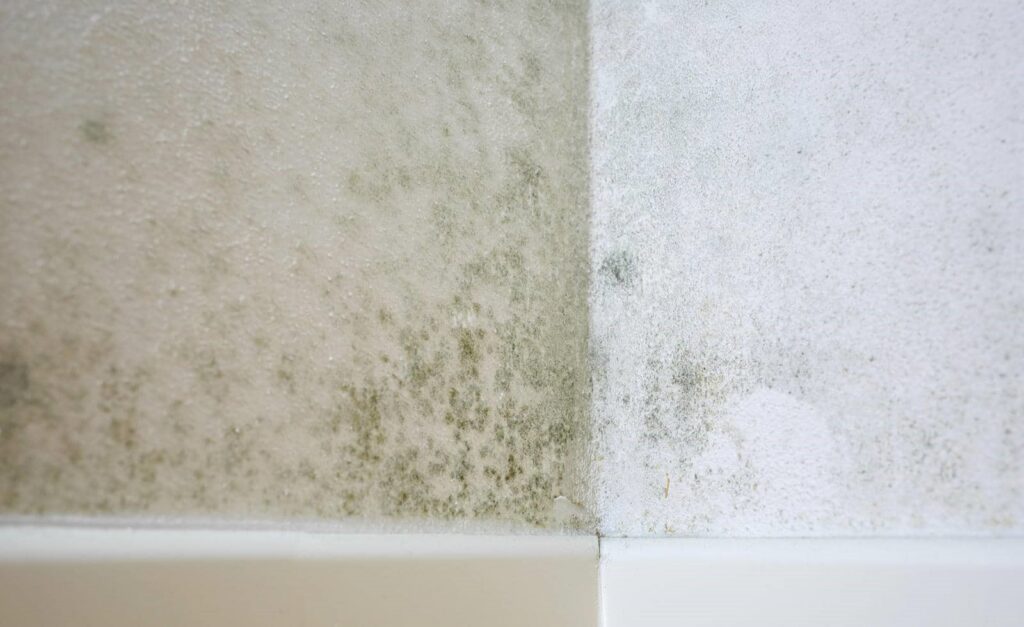
Recognizing the signs of black mold is essential for early intervention and prevention of health risks. Start with a thorough visual inspection of your home. Look for dark, irregular spots on walls, ceilings, or floors, especially in areas prone to moisture, like bathrooms and basements.
Pay attention to any musty odors, which often indicate mold presence.
You should also be aware of mold symptoms that may arise, such as coughing, sneezing, or skin irritation. If you or your family begin to experience unexplained respiratory issues or allergic reactions, it’s important to investigate further.
Assessing the Extent of Mold Damage
How can you accurately assess the extent of mold damage in your home? Begin by employing effective mold inspection techniques.
Start with a visual inspection to identify visible mold growth, moisture sources, and any potential hidden areas, like behind walls or under carpets. Using damage assessment tools, such as moisture meters, can help you gauge humidity levels and pinpoint affected areas more precisely.
Consider engaging a professional if the damage seems extensive or if you’re unsure about your findings. They’re equipped with advanced tools and expertise to perform detailed assessments.
After gathering your information, document your observations clearly. This will help you understand the scope of the problem and assist in planning the necessary remediation steps.
Safety Precautions for Mold Remediation
When tackling mold remediation, your safety is paramount.
Always wear appropriate personal protective equipment (PPE) and ensure proper ventilation and airflow in the affected area.
Establish containment procedures to prevent mold spores from spreading during cleanup.
Personal Protective Equipment
Personal protective equipment (PPE) is essential for ensuring safety during mold remediation.
To protect yourself effectively, it’s vital to use the right safety gear. Here are three critical PPE types you should always wear:
Respirators: Use N95 respirators or higher to filter out mold spores and protect your lungs.
Gloves: Choose durable, non-porous gloves to prevent skin contact with mold and cleaning agents.
Goggles: Opt for safety goggles to shield your eyes from mold spores and chemical splashes.
Ventilation and Airflow
Ventilation and airflow play an essential role in mold remediation, as they help minimize the spread of spores and reduce exposure to harmful airborne contaminants.
Effective airflow management is vital during the remediation process. Start by opening windows and doors to create natural ventilation while ensuring cross-ventilation throughout the space.
Consider implementing ventilation strategies, such as using fans to direct air away from unaffected areas, which can help disperse spores and maintain a healthier environment.
Additionally, using HEPA filters in air purifiers can further enhance air quality by trapping microscopic particles.
Always monitor humidity levels, as excessive moisture can promote mold regrowth.
Containment and Cleanup Procedures
Effective ventilation sets the stage for successful mold remediation, but it’s equally important to implement proper containment and cleanup procedures to prevent further contamination.
You must adopt effective mold containment strategies and cleanup techniques to ensure safety and efficiency. Follow these steps:
Seal Off Affected Areas: Use plastic sheeting to isolate contaminated spaces, preventing spores from spreading.
Wear Protective Gear: Equip yourself with N95 respirators, gloves, and goggles to safeguard against exposure during cleanup.
Dispose of Contaminated Materials: Place any removed mold-infected materials in sealed bags for safe disposal, minimizing the risk of recontamination.
Steps for Effective Mold Removal
Successful mold removal hinges on a systematic approach that addresses the visible growth and the underlying moisture issues. Start by identifying the source of moisture contributing to mold proliferation. It’s essential to fix leaks and improve ventilation to prevent recurrence.
Next, employ effective mold removal techniques tailored to the affected materials. For hard surfaces, a mixture of water and detergent can work wonders, while porous materials might need replacement.
Ensure you wear proper protective gear, including gloves and masks, to safeguard yourself during the process. After removing the mold, you’ll need to dry the area thoroughly to inhibit future growth.
Regularly inspect previously affected areas to confirm your efforts have been successful. Remember, it’s not just about cleaning; it’s about creating a healthy environment for you and those around you. Following these steps lays the groundwork for a mold-free living space.
Cleaning and Disinfecting Affected Areas
To achieve thorough cleaning and disinfecting of affected areas, start by selecting the right cleaning agents specifically designed to combat mold spores.
Effective mold removal techniques hinge on using appropriate disinfectant solutions that eliminate mold and prevent recurrence.
Follow these steps for best results:
Prepare the Area: Seal off the contaminated space to prevent spores from spreading and wear protective gear.
Apply Disinfectant Solutions: Use a concentrated mixture of water and a suitable mold-killing agent like hydrogen peroxide or vinegar. Spray it generously on the affected surfaces.
Scrub and Rinse: After letting the solution sit for about 10 minutes, scrub the area with a stiff brush, then rinse thoroughly with clean water.
Preventing Future Mold Growth
To prevent future mold growth, you need to control humidity levels and improve ventilation systems in your home.
Keeping indoor humidity below 60% can considerably reduce the risk of mold proliferation.
Enhancing airflow in damp areas, such as bathrooms and kitchens, also plays an essential role in mold prevention.
Control Humidity Levels
Controlling humidity levels is vital for preventing future mold growth, as mold thrives in damp environments.
To effectively manage moisture, consider these humidity control methods:
Dehumidifiers: Invest in dehumidifiers to maintain indoor humidity levels between 30-60%. These devices actively remove excess moisture.
Moisture Barrier Solutions: Install vapor barriers in basements and crawl spaces to prevent ground moisture from entering your home. This is important for maintaining a dry environment.
Regular Maintenance: Routinely inspect and repair plumbing leaks, and verify appliances are functioning properly to minimize water accumulation.
Improve Ventilation Systems
While humidity control is crucial, improving ventilation systems is equally critical in preventing future mold growth. Proper airflow helps reduce moisture buildup, creating an environment that’s less conducive to mold.
Start by evaluating your current ventilation; verify exhaust fans in bathrooms and kitchens are functioning effectively. Regular ventilation maintenance is essential—clean ducts and replace filters to enhance airflow throughout your home.
Consider adding vents or windows where necessary to promote cross-ventilation. You might even invest in an energy recovery ventilator (ERV) for superior air exchange.
When to Seek Professional Help
If you notice significant mold growth or experience health issues related to mold exposure, it’s essential to seek professional help. Ignoring mold can lead to serious health risks and property damage.
Here are three key indicators that it’s time to call in experts:
Extensive Growth: If mold covers an area larger than 10 square feet, you should consider mold inspection services. Professionals can assess the severity and recommend the best course of action.
Persistent Health Symptoms: If you or your family members suffer from allergic reactions, respiratory issues, or other health problems linked to mold exposure, it’s vital to consult professionals.
Underlying Moisture Issues: If you suspect ongoing water damage or leaks, professional remediation is necessary to prevent future mold growth, even if immediate health concerns aren’t evident.
While professional remediation costs can vary, the long-term benefits of a safe, mold-free environment are invaluable.
Long-term Maintenance and Monitoring Strategies
After addressing mold issues with professional help, maintaining a mold-free environment requires ongoing vigilance.
Implementing long-term maintenance strategies is essential for the health of your home and its occupants. Start by establishing regular maintenance schedules for areas prone to moisture, such as basements and bathrooms. Ensure proper ventilation and promptly repair leaks.
Invest in monitoring equipment to track humidity levels and detect any potential mold growth early. Devices like hygrometers can help you maintain ideal indoor conditions.
Regularly inspect your home for signs of water damage or mold, especially in hidden areas like behind walls or under carpets.
Educate yourself and your family about mold prevention techniques, fostering a sense of community responsibility.
Frequently Asked Questions
Can I Use Bleach to Remove Black Mold Effectively?
You can’t rely solely on bleach for effective mold removal. While it may kill surface mold, it doesn’t penetrate porous materials. Consider using specialized mold cleaners for more thorough and lasting results. Prioritize safety and thoroughness.
How Long Does It Take for Black Mold to Grow?
In a mere 24 to 48 hours, black mold can establish itself under ideal growth factors. To thwart this, employ effective prevention strategies, like controlling moisture and maintaining proper ventilation in your living spaces.
Can Black Mold Cause Long-Term Health Issues?
Yes, black mold can cause long-term health effects, including respiratory issues and allergic reactions. To protect yourself, prioritize mold prevention strategies like controlling moisture and ensuring proper ventilation in your living spaces.
Is It Safe to Stay in My Home During Remediation?
It’s not safe to stay in your home during remediation. You must take precautions to ensure your safety. Leaving minimizes exposure risks, allowing professionals to effectively handle the situation without compromising your health.
What Materials Are Most Susceptible to Black Mold?
Wood surfaces and carpet fibers are most susceptible to black mold due to their porous nature and moisture retention. Keeping these materials dry and well-ventilated can help you prevent mold growth in your home.
Final Thoughts
Addressing black mold swiftly is essential for your health and safety. While some may hesitate, believing DIY methods suffice, it’s important to recognize the potential dangers of extensive mold growth. Engaging professionals ensures thorough remediation and minimizes health risks. By following proper safety precautions and implementing preventive measures, you can maintain a mold-free environment. Prioritizing ongoing inspections and moisture control will safeguard your space, allowing you to breathe easier and live healthier.
Recent Posts
Top Tips for Post-Flood Cleanup and Recovery
Post-Flood Cleanup and Recovery doesn’t end when the standing water disappears. Flood damage can continue
7 Tips for Emergency Storm Water Removal
Like a ship steering through turbulent waters, your response to a storm can determine the
Guide to Post-Water Damage Cleanup Process
When faced with water damage, you might wonder if your space can ever return to